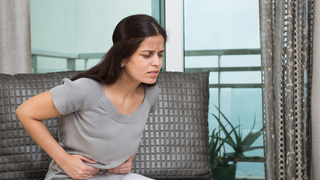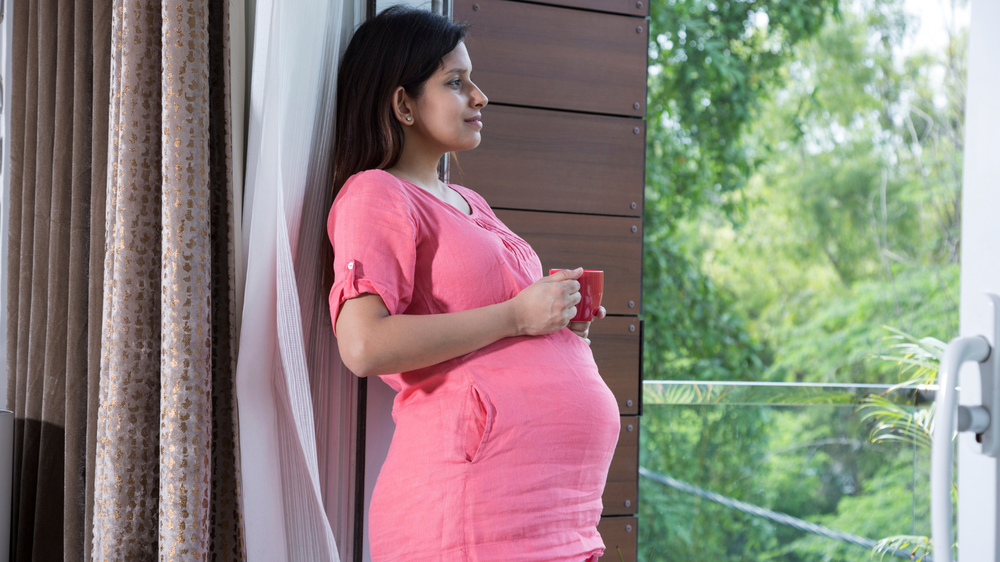
After several pregnancies, your body goes through changes that affect strength, posture, and energy. Some changes go away soon, while others last longer and may be more noticeable. Knowing about these shifts helps you care for your health with confidence and realistic expectations.
This article covers common physical and emotional changes, risks to watch for, and practical steps for healthy recovery in India, where daily routines, family life, and food habits play a big role in healing.
PHYSICAL CHANGES OVER TIME
Each pregnancy changes the body a little. Over time, these changes can add up and may feel different from earlier recoveries.
Common changes:
- Softer abdominal muscles
- Altered posture from repeated carrying and feeding
- Pelvic floor weakness
- More tiredness, especially with limited rest
- Skin or hair variations linked to hormonal waves
ABDOMINAL AND CORE CHANGES
With each pregnancy, the abdominal wall stretches, and it may take longer to recover. You may notice:
- Reduced core strength affecting balance.
- A small bulge at the centre of the stomach.
- Back strain after housework or lifting children.
- Slow strengthening exercises.
- Avoid heavy lifting soon after birth.
- A physiotherapist’s guidance for safe routines.
PELVIC FLOOR CHANGES
During pregnancy and birth, the pelvic floor muscles handle a lot of pressure. Possible effects:
- Light leakage during sneezing or coughing.
- A heavy feeling in the pelvis after long standing.
- Reduced urine control during travel or long queues.
- Daily pelvic floor exercises.
- Hydration, especially in warm Indian weather.
- Medical review if symptoms continue beyond a few months.
HORMONAL SHIFTS
Hormones change during pregnancy and recovery, and these repeated shifts can make it take longer for your body to adjust.You may feel:
- Mood swings
- Sleep changes due to newborn care or stress
- Appetite variations
- Hair fall for several months
BONE AND JOINT STRAIN
Your body needs more calcium during and after pregnancy. Many Indian diets, especially vegetarian ones, may not always provide enough.
Risks include:
- Knee aches when climbing stairs
- Lower back pain from repeated bending
- Wrist strain from feeding or carrying infants
- Stretching for a few minutes daily
- Balanced food choices like leafy greens, ragi, and lentils
- Medical advice if pain continues
WEIGHT AND METABOLISM
After several pregnancies, your metabolism may slow down. Helpful habits:
- Balanced meals with whole grains, dals, vegetables, and fruits.
- Avoid long gaps between meals every day in busy households.
- Daily walking or light home activity.
INTERNAL CHANGES
It may take longer for your body to recover after several pregnancies. Common patterns include:
- Slightly longer bleeding
- More tiredness during the first weeks
- Slower return to earlier routines
RISK FACTORS TO WATCH
Some health risks can become more likely with multiple pregnancies.
Important risks:
- Anaemia
- Gestational diabetes
- High blood pressure
- Uterine prolapse
- Thyroid imbalance
ANAEMIA
Anaemia is common in India and can get worse with repeated pregnancies. Signs:- Tiredness
- Breathlessness
- Pale skin
BLOOD PRESSURE
Changes in blood pressure can happen without warning. Watch for:- Persistent headaches
- Blurred vision
- Foot swelling
GESTATIONAL DIABETES
The risk can increase with more pregnancies. Support steps:
- Steady meals
- Reduced refined sugars
- Regular activity suitable for energy levels
UTERINE PROLAPSE
Weaker pelvic support can cause the pelvic organs to shift downward. Possible signs:- Pelvic heaviness
- Lower back discomfort
- Difficulty holding urine
EMOTIONAL CHANGES
Emotional changes can feel stronger after several pregnancies. Support options:- Talking with trusted people
- Short daytime rests
- Mindful breathing or quiet moments
RECOVERY GUIDELINES
Recovery depends on taking steady, manageable steps. Helpful actions:- Hydration throughout the day
- Nutritious meals with traditional foods like dals and millets
- Gentle strengthening exercises
- Regular health check-ups
- Family support to reduce overwork
DAILY HABITS
Simple daily routines help you stay healthy in the long run. Useful habits:- Morning walks in open spaces
- Light home exercises
- Early bedtime when possible
- Sunlight exposure for Vitamin D
- Planning meals ahead to reduce stress
WHEN TO SEEK CARE
Seek medical help when:- Bleeding is unusually heavy
- Pain persists for weeks
- Mood changes feel intense or prolonged
- Urine control becomes difficult
- Energy drops suddenly without reason
You’re not alone in your journey when trying to conceive. Join our supportive community to connect with others, share experiences, and find encouragement every step of the way.
FAQs on Navigating Recovery After Multiple Pregnancies: Simple Body Insights
- What can support long-term pelvic discomfort after many pregnancies?
Pelvic discomfort often happens because of muscle weakness, pressure on the pelvic area, and daily strain from lifting, housework, and not getting enough rest. Doing regular pelvic floor exercises, correcting your posture, and adding short stretches can help. Physiotherapists can give you focused advice. Staying hydrated and avoiding long periods of standing also help, and seeing a doctor makes sure nothing important is missed. - How can someone rebuild stamina during extended recovery?
You can rebuild stamina by following steady habits that slowly restore your energy. Eating balanced meals with whole grains, dals, vegetables, nuts, and fruits helps keep your blood sugar steady. Short walks boost circulation without making you too tired. Taking rest breaks during the day helps your body recover. Keeping a regular routine supports your hormones. If you still feel tired, check for anaemia or thyroid problems to find any hidden causes.