Understanding why they appear, how to care for them, and when to check in with a doctor can make them far less stressful.
In this article:
What Are Skin Tags?
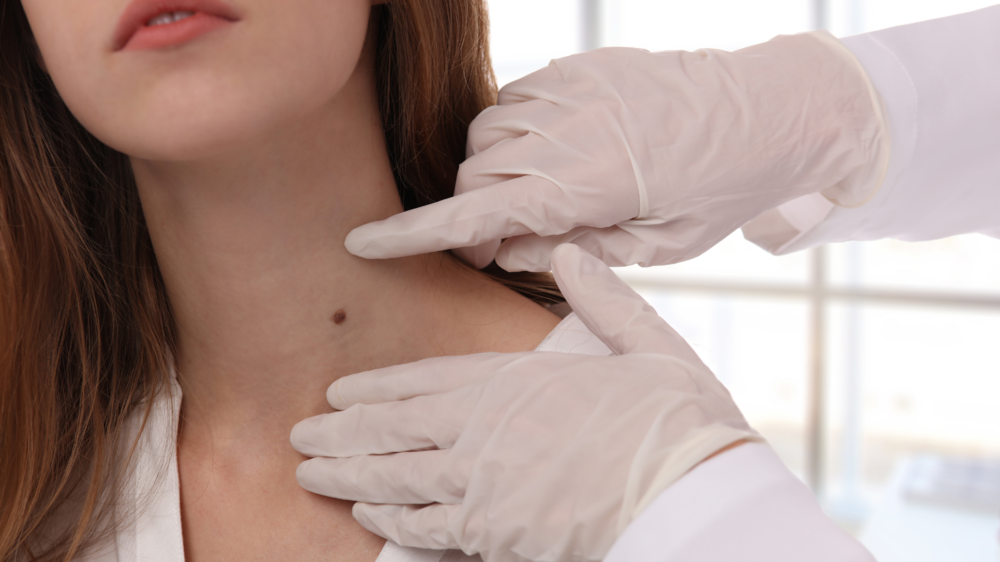
Skin tags, or acrochordons, are tiny, soft growths that hang off your skin on a thin stalk. They are usually the same colour as your skin or slightly darker. You might also notice you can gently wiggle them back and forth.They tend to show up in warm and moist areas, such as:
- Neck folds
- Armpits
- Under the breasts
- Groin or inner thighs
- Torso
- Sometimes the vaginal area or eyelids
When Do Skin Tags Usually Appear During Pregnancy?
For many women, skin tags first start appearing during the second or third trimester of pregnancy. This is usually when weight gain and hormonal changes are at their peak.What Causes Skin Tags During Pregnancy?
There are two main factors that tend to trigger skin tags during pregnancy:- Hormonal changes: Your body produces much higher levels of hormones like oestrogen, progesterone, and leptin during pregnancy. Leptin comes from both your fat tissue and the baby’s, and it encourages skin cells to grow faster. Oestrogen also seems to play a role because skin tags often start appearing after puberty and rise again when female hormones surge.
- Skin friction from weight gain: As you put on weight, skin folds rub together more, especially in warm, moist areas. This extra friction is a big reason tags appear under arms, on the neck, beneath breasts, or in the groin.
Will Skin Tags Disappear After Delivery?
Here’s the good news about skin tags after pregnancy: many of them tend to shrink, flatten, or even fall off naturally in the weeks or months following childbirth. This usually happens as your hormone levels start to stabilise and your body gradually sheds the extra weight gained during pregnancy.For some people, the skin tags may not disappear completely, but they often become much smaller, lighter in colour, and far less noticeable.
Can You Prevent Skin Tags During Pregnancy?
Unfortunately, there’s no sure way to completely stop skin tags from forming during pregnancy, because the main causes are natural and necessary for your baby’s growth. That said, you can help reduce friction a little, which may prevent existing skin tags from getting irritated or new ones from forming too quickly:- Keeping skin folds clean and dry: Moisture and sweat can make friction worse, so gently pat areas dry throughout the day.
- Wearing loose, comfortable cotton clothes: Breathable fabrics reduce rubbing and allow your skin to stay cooler and drier.
- Applying a gentle moisturiser or plain petroleum jelly to areas that rub a lot: This helps the skin glide instead of chafing, making tags less likely to get irritated.
Pregnancy-Safe Treatment Options For Skin Tags
Most doctors usually advise waiting until after you’ve given birth before removing skin tags, because many of them shrink or disappear naturally on their own. But if a tag becomes painful, keeps bleeding, or is really bothering you, it’s best to speak with your obstetrician or a dermatologist first.Safe professional removal methods (can be done during pregnancy if truly needed):
- Snipping with sterile scissors or a scalpel: Sometimes a stitch is needed if the tag is larger. This method is quick and precise.
- Freezing with liquid nitrogen (cryosurgery): Works well for smaller tags and is usually very effective.
- Burning the base with heat or electric current (cauterisation): Seals the area and prevents bleeding while removing the tag.
- Over-the-counter freezing kits: These use different chemicals than professional cryosurgery and can burn or scar the skin.
- Any “skin tag remover” liquids or patches sold online: These are not tested for safety during pregnancy.
- Cutting, tying off with thread, or burning them yourself: This can lead to heavy bleeding or infection, which is risky while pregnant.
- Products containing vitamin A (retinoids): Not safe for the baby and should be avoided completely.
Home Remedies For Skin Tags During Pregnancy
You can try the following tips but only on small, non-sensitive tags and with your doctor’s approval:- Dabbing a tiny amount of apple cider vinegar on the tag with a cotton bud. This may help dry it out slowly.
- A drop of tea tree oil if the tag is irritated.
- Some people try applying a tiny amount of fresh garlic paste to a small skin tag and covering it with a bandage for a short period each day. Evidence that this works is very limited, and it can irritate the skin.
Pregnancy brings plenty of visible changes, and skin tags are just one of the more common and usually temporary ones. They might feel a little strange at first, but in most cases, there’s nothing to worry about. Many skin tags shrink or disappear on their own after your baby arrives.
Whether you’re pregnant, a new mom, or navigating postpartum, you don’t have to do it alone. Join our support group to connect, share, and support one another.
FAQs on Why Skin Tags Appear During Pregnancy and How to Manage Them
- Can skin tags be itchy during pregnancy?
Yes, some skin tags may feel itchy due to friction or skin stretching. - Will skin tags return in future pregnancies?
It is possible for skin tags to appear again in later pregnancies, especially in areas prone to friction.