In this article:
Why Does Sleep Become More Difficult During Pregnancy?
These are the main reasons sleep becomes more difficult during pregnancy:- Hormonal changes: Your hormones, especially progesterone and oestrogen, are shifting constantly. This can make you feel nauseous, give you vivid dreams, or leave you tossing and turning at night.
- Baby movements: As your baby grows, you’ll start to notice more kicks, rolls, and stretches. Sometimes they happen right when you’re trying to get comfortable or drift off to sleep.
- Heartburn and indigestion: The growing uterus pushes on your stomach, and hormones relax your digestive system. This combination can make heartburn or acid reflux worse at night, especially if you lie down too soon after eating.
- Leg cramps: Many pregnant people notice leg cramps or tingling sensations in the evenings. This can wake you up suddenly or make it hard to find a comfortable position.
- Frequent trips to the toilet: The pressure of your uterus on your bladder means you might need to get up multiple times during the night. Even just one trip can break your sleep rhythm.
- Back pain and body aches: Carrying extra weight changes your posture and puts strain on your back and hips. It can be tough to find a position that doesn’t hurt after a while.
What Are the Most Common Sleep Aids Used During Pregnancy?
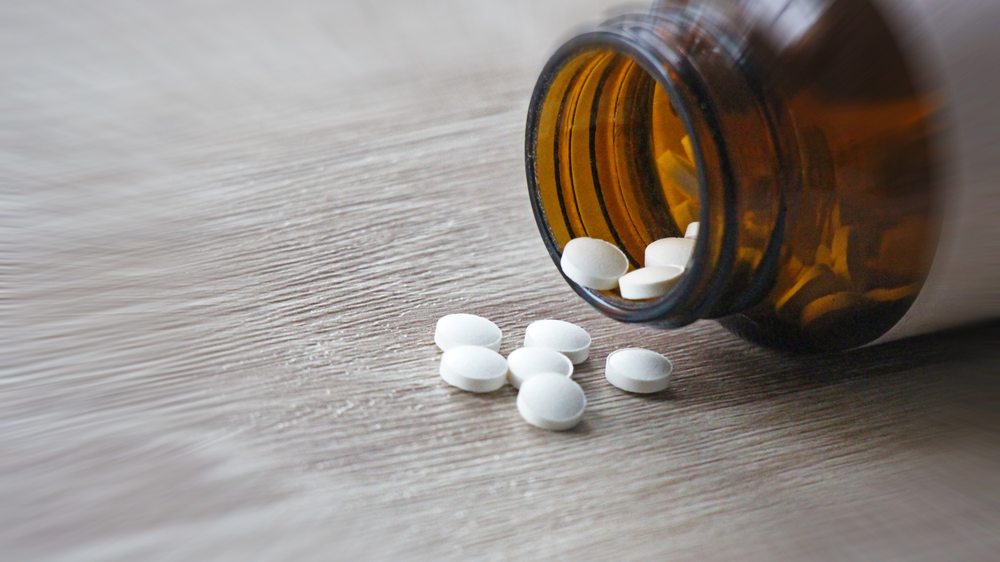
When natural fixes aren’t enough, many pregnant individuals turn to over-the-counter or prescription options for sleep.These are the most common sleeping aids used during pregnancy:
- Melatonin supplements
- Antihistamines
- Antidepressants
1. Safety of Melatonin Supplements
Melatonin is a supplement that can help some people fall asleep more quickly because it works like the hormone your body naturally produces to regulate sleep and wake cycles. During pregnancy, melatonin can cross the placenta, which means it also reaches your baby. This has raised concerns among experts about whether it could affect the baby’s future sleep patterns.
Because melatonin supplements aren’t strictly regulated in India, the dose or ingredients in the product you buy may not always match what’s on the label.
For these reasons, doctors usually only recommend melatonin after you’ve tried all the non-drug ways to improve sleep, and even then, it should be taken under medical supervision.
2. Safety of Antihistamines
Antihistamines are medications that many people take for allergies, but a side effect is sleepiness. This makes them a popular choice for short-term insomnia. During pregnancy, a lot of people also use them to help with nausea or indigestion.
Most (not all) antihistamines are considered safe during pregnancy. But when it comes to using them purely for sleep, the evidence is less clear, especially regarding long-term effects.
Like all medications, antihistamines can cause side effects, such as a dry mouth or feeling a bit uneasy. They may also become less effective over time if used regularly.
3. Safety of Antidepressants
Antidepressants are sometimes used during pregnancy to help with sleep, especially when anxiety, stress, or low mood is contributing to sleeplessness. Certain types of these medications may not only improve sleep but could also lower the risk of postpartum depression.
However, experts are cautious and usually do not prescribe antidepressants solely for insomnia. More research is needed to fully understand any potential effects on the baby.
If your sleeplessness is driven by anxiety, depression, or other mood-related issues, antidepressants can help address the underlying problem rather than just the symptom of poor sleep. Doctors typically weigh the benefits carefully and prefer to try non-drug approaches first.
Which Sleep Aids Are Unsafe During Pregnancy?
Some medications and natural products may carry serious risks for you and your baby. Here’s what to avoid:- Sedative hypnotics (prescription sleep drugs): This includes benzodiazepine receptor agonists, benzodiazepines, and barbiturates. While they can relieve anxiety and help you sleep, they may increase the risk of preterm birth, low birth weight, or breathing problems in newborns. Some cross the placenta and can cause withdrawal symptoms in the baby after delivery.
- Herbal products, natural aids, amino acids, and minerals: There isn’t enough evidence to confirm they are safe for the baby. Certain herbs may cause liver problems or rare blood disorders.
- Supplements: Unlike prescription drugs, supplements aren’t tightly regulated. Labels may not be accurate, and hidden ingredients or unexpected side effects are possible.
- Alcohol and cannabinoids: Despite claims of relaxation, both can seriously harm your baby’s development and must be avoided entirely during pregnancy.
Pregnancy sleep challenges can really feel overwhelming. It’s normal to wake up multiple times in the middle of the night or struggle to get comfortable. But you don’t have to rely on medication right away. There are plenty of practical things you can do to make sleep easier and more restful.
Whether you’re pregnant, a new mom, or navigating postpartum, you don’t have to do it alone. Join our support group to connect, share, and support one another.
FAQs on Can You Take Sleeping Pills During Pregnancy?
- How can I improve sleep during pregnancy without medication?
Stick to a regular sleep schedule, avoid screens before bed, and create a comfortable sleeping environment. - Can sleeping pills affect breastfeeding?
Yes, some sleep medications can pass into breast milk and may cause drowsiness or feeding issues in the baby.