What is Eye Pressure, and Why Does it Matter?
Intraocular pressure, or eye pressure, is the pressure of the fluid inside your eyes. It helps keep your eyes in shape and allows light to enter correctly, enabling you to see clearly. If the pressure in your eyes goes too high, it can hurt the optic nerve. This can lead to diseases like glaucoma, which can make your eyesight worse over time. The normal range for ocular pressure is between 10 and 21 mmHg. If your readings fall outside this range, you should consult your eye doctor.In this article:
Why Can Pregnancy Cause Swelling?
Most of the time, swelling during pregnancy is caused by:- More blood: Your body makes about 50% more blood and fluids during pregnancy to help your baby grow.
- Changes in hormones: Progesterone and oestrogen relax your blood vessels, which makes it easier for fluid to build up.
How May Swelling Change the Pressure in Your Eyes?
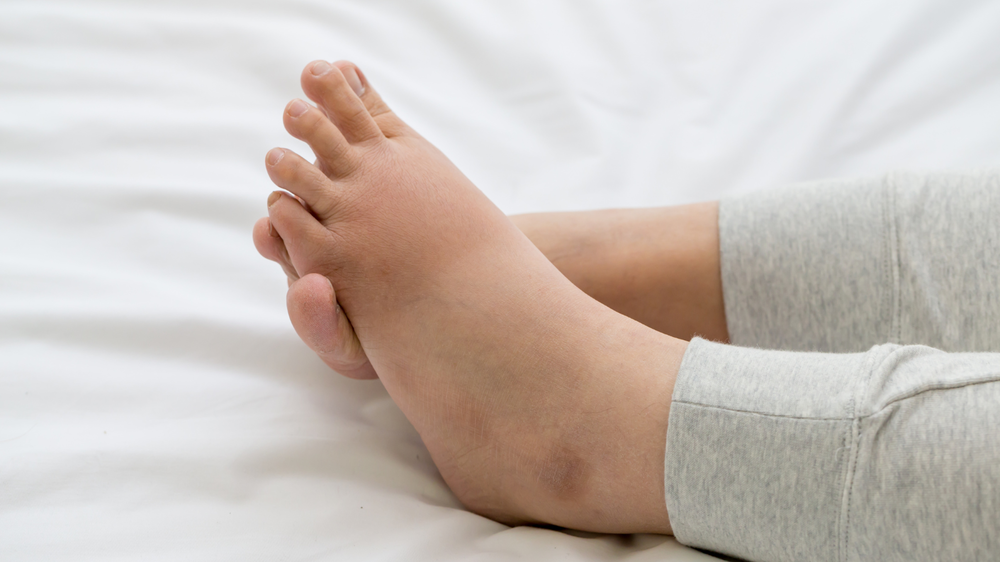
When your body holds onto too much fluid, it can have a few effects on your eyes:- Fluid imbalance: Just like your feet can swell, the same thing can happen to the tiny drainage channels in your eyes, which can change the pressure in your eyes.
- Hormonal influence: Some research suggests that hormones released during pregnancy can generally lower ocular pressure. However, if you have significant oedema, the pressure may increase since fluid can't move out as easily.
Common Symptoms You May Notice
You might not always notice changes in your eye pressure, so look out for indicators like:- Vision that is blurry or foggy
- Seeing halos around lights
- A lot of headaches
- Suddenly having trouble concentrating
- Pain or discomfort in the eyes
Are Eye Pressure Changes Always Dangerous in Pregnancy?
Not always, studies have shown that hormonal shifts during pregnancy may cause a small drop in eye pressure in many women; this can be even good for glaucoma.But if you have oedema that can be harmful or linked with other disorders like preeclampsia, it may quickly raise pressure in the eyes that would require immediate medical attention.
Therefore, you must closely monitor your symptoms, rather than overlooking any changes that may occur.
When to See a Doctor
If you see any of the following, get medical help:- Swelling together with high blood pressure or bad headaches
- Vision changes that happen quickly
- Eyes that hurt or are red
- Halos or flashes of light that don't go away
What Can You Do to Manage Swelling and Protect Eye Health?
For managing swelling altogether, you must do things to keep your eyes healthy:- Stay hydrated by drinking water; it helps maintain your body's fluid balance.
- Avoid excessive salt intake, as consuming too much salt may exacerbate swelling.
- Raise your legs to facilitate blood flow and reduce swelling.
- Avoid wearing tight shoes or clothes that restrict blood flow.
- Eat a balanced diet that includes foods rich in potassium, such as bananas, and foods high in magnesium.
- Include light activities, such as walking or yoga, to improve blood circulation.
- Make appointments for eye examination.
What To Do Next: A Quick Checklist
- Observe changes in your vision
- Monitor blood pressure regularly
- Consult a doctor if an eye exam is required
- Adding relaxing meditation to calm the body and mind
Emotional & Social Aspects
It becomes stressful to balance all the duties of pregnancy and then cope with swelling or changes in vision. You may begin to feel worried or unsure about what is typical. It is highly beneficial to discuss your feelings openly with a partner, close friend, or family member. Having that support not only helps you relax, but it also reduces stress, which is good for your eyes and overall health. Remember that you're not alone in going through these changes and experiencing these concerns.Pregnancy puffiness is natural, but it may cause higher eye pressure than most people realise. Most of the time, little tweaks are harmless. However, you should not dismiss sudden or significant changes in your vision or eye pressure and immediately consult your doctor for a healthy and safe pregnancy.
Whether you’re pregnant, a new mom, or navigating postpartum, you don’t have to do it alone. Join our support group to connect, share, and support one another.
FAQs on How Swelling in Pregnancy Can Affect Eye Pressure
- Is it normal to have blurry vision during pregnancy?
Yes, mild, fuzzy vision can be caused by a hormonal shift. However, if the symptoms are abrupt or severe, you should see your doctor. - Can pregnancy reduce eye pressure instead of increasing it?
Yes, many women report a slight decrease in eye pressure due to hormonal influences. However, oedema and problems like preeclampsia may cause an increase. - Should I get an eye check-up during pregnancy?
If you've ever had glaucoma, diabetes, or another eye disease, it's vital to get your eyes checked often. It's a good idea to talk to your doctor about any changes in your vision at your prenatal visits, even if you don't have any.