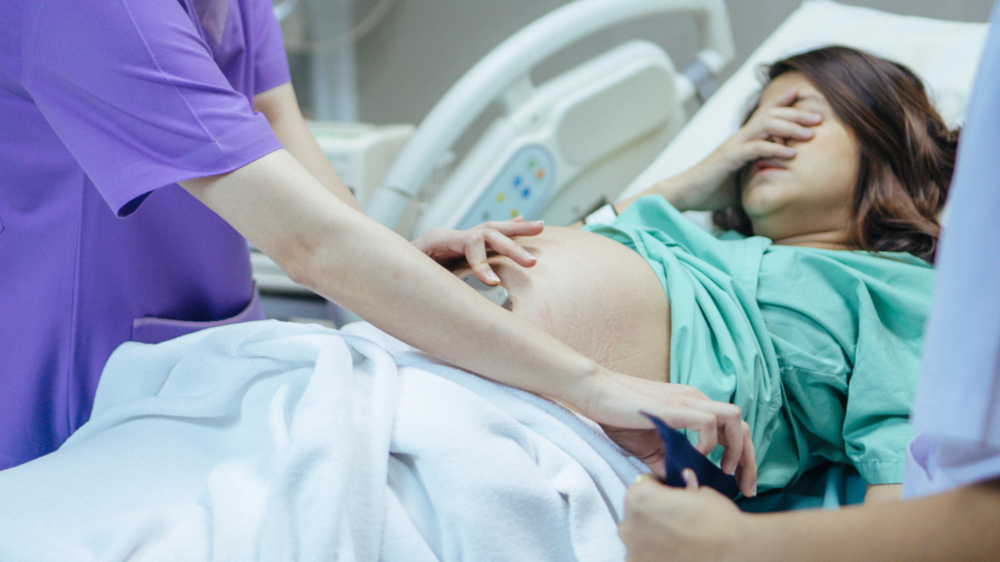
Let's talk about emergency C-sections: what they are, what to watch out for, and what happens after. That way, you’ll be prepared and know what’s coming.
In this article:
How is an Emergency C-section Explained?
Sometimes during labour, things don’t go as planned, when a normal delivery isn’t safe, or cannot happen. That’s when doctors might do an emergency C-section. It’s basically a surgery done right away, unlike the process of a normal delivery. It needs to be performed fast, sometimes within a minute.The doctors make a tiny cut in your uterus and abdomen to get your baby out quickly and safely. The term "emergency" might scare you, but remember, it’s all about saving your and your baby’s life.
Why Might Labour End in an Emergency C-section?
1. Stalled LabourSometimes, even when you’re trying your best, labour stalls. Such a scenario occurs when:
- At a certain point, your cervix stops dilating
- The baby has stopped moving through the birth canal
- You’re not feeling any strong or frequent contractions
If the heart rate of the foetus becomes unusual or slows down when you’re in labour, it could indicate an inadequate oxygen supply. A quick C-section ensures the baby gets oxygen immediately, preventing further health issues.
3. Umbilical Cord Problems
The umbilical cord provides food and oxygen to your foetus. If the umbilical cord gets in the way during birth or wraps too tightly around the baby’s neck, it can disrupt the baby’s oxygen flow.
To avoid complications in such cases, a C-section is necessary.
4. Tricky Placenta
The placenta supports the growth of the foetus by providing nutrients and oxygen. Sometimes, though, it can block the birth canal by getting in the way, i.e., placenta previa. Or it might detach from the uterine wall too soon, i.e., placental abruption.
Both conditions can cause lots of bleeding and hamper your baby's oxygen supply.
5. Baby's Position
The head-down position is the ideal one for the baby. However, at times, the baby is breech, i.e., buttocks or feet first, or in a transverse position, which might demand an emergency C-section for a safe birth.
6. Pregnancy with Twins or Triplets
Things become more complicated if you’re carrying twins or triplets. Sometimes, a baby may not be in the right position, or labour may become too intense. In those situations, emergency C-sections are more likely to keep everyone safe.
7. Maternal Health Emergencies
Conditions like uncontrolled bleeding, preeclampsia, or high blood pressure can suddenly increase the risk of a normal delivery. In these moments, the doctors prioritise your and your baby's life.
How Is a C-section Performed?
- The medical team will transfer you to the surgical room
- You might receive a general or spinal anaesthesia, depending on the emergency condition
- The doctors make two tiny cuts, one on the abdomen and the other on the uterus
- Within 10 to 15 minutes, your baby will be delivered
- The doctors then close the incision with stitches\
How to Be Ready Emotionally?
The idea of an emergency C-section might frighten you. But staying informed can help you stay calm. Remember:- It's not your fault. Labour outcomes depend on many critical factors.
- Your body still gave birth successfully. The method doesn't change your strength or motherhood journey.
When to See the Doctor Post-Surgery?
Contact your doctor immediately:- If you encounter redness or pus near the incision
- If you have a fever or chills
- If you encounter a huge blood loss
- If you feel chest pain or shortness of breath
- If there's a sudden swelling or pain in the legs
What Should be the Following Steps?
- Ask your medical team about emergency delivery scenarios
- Stay flexible with your birth chart. It helps stay calm.
- Keep tabs on your health conditions
- Get ready with a hospital bag in advance, packing everything you may need
- Lean on your birth companion, family, or counsellor for emotional support
Emotional & Social Support
Having an emergency C-section can bring out a lot of unexpected feelings, fear, guilt, remorse, relief, or just confusion. Lots of new parents go through the same scenario and get back to normal life just fine. Talking with your partner about how you feel can really help you feel better.It’s okay if it takes a little while to bond with your baby after surgery. Gentle skin-to-skin contact, breastfeeding support, and other forms of support help you reconnect.
An emergency C-section might not be something you planned for, but it's definitely something that guarantees your and your baby's safety. Labour can be unpredictable, but modern medical care ensures that even when plans suddenly change, there's always a healthy outcome. Trust your doctor, stay informed, and appreciate your efforts.
Whether you’re pregnant, a new mom, or navigating postpartum, you don’t have to do it alone. Join our support group to connect, share, and support one another.
FAQs on Why Some Labours End in Emergency C-Sections
- Can I plan for a normal delivery after an emergency C-section?
Yes. Lots of repeat pregnancies end up with a regular delivery after a C-section. It depends on your condition and how well you recover from your previous surgery. Your doctor is the best person to give you advice. - How long does it take to recover after an emergency C-section?
Most mothers usually get back to normal within 6 to 8 weeks, but they might still feel tired. Resting and following your doctor's advice can speed up recovery. - Does having an emergency C-section complicate things for future conception?
Not always. You may go on to have more healthy pregnancies after a C-section. However, in future deliveries, your doctors will monitor you closely.