In this article:
What is Recurrent Fever in Children?
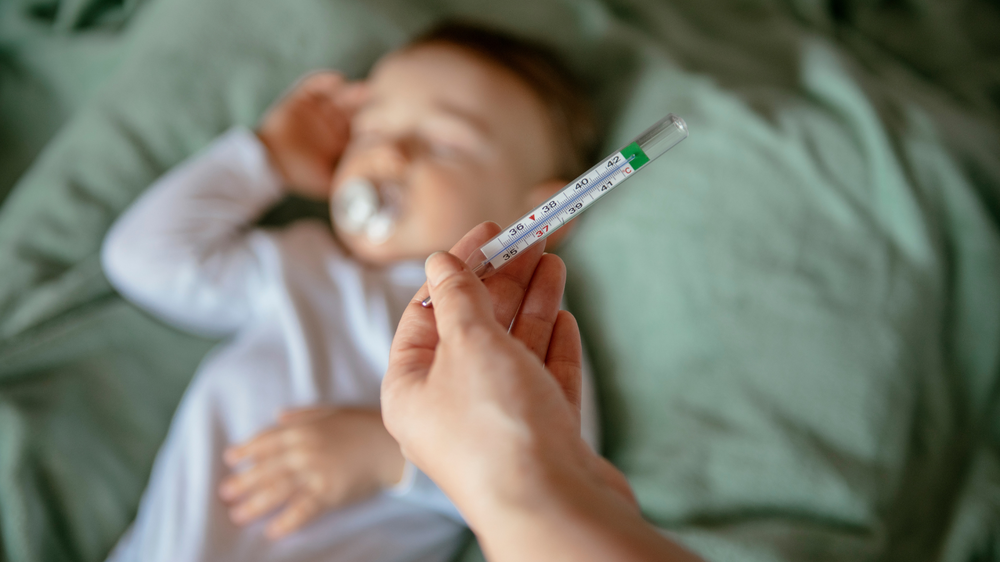
If your child experiences fever frequently, it might be more than just usual cold. Recurrent fever typically means your child has three or more distinct episodes of temperature above 38°C within six months. Each episode usually lasts a few days, and your child returns to normal health between them.This is different from a single prolonged fever or overlapping colds that seem to never end. What really matters is the pattern. Some children experience fevers that appear predictably every few weeks, lasting three to six days, and then disappear entirely.
What Causes Recurrent Fever in Children?
In most young children, recurrent fevers usually happen because one viral infection follows another. Little ones are constantly encountering new germs as their immune systems are still developing, which makes frequent illnesses completely normal.These are some common causes:
- Viral infections: They include viruses that cause colds, influenza, respiratory syncytial virus, adenovirus, enterovirus, and roseola, which often brings a high fever followed by a rash.
- Secondary infections: Sometimes after a viral illness, your child can develop ear infections, sinus infections, or urinary tract infections. These can make it seem like the fever keeps coming back.
What Are Less Common Causes of Recurrent Fever in Children?
Some conditions cause inflammation or fever even when there is no actual infection. These are the main causes to be aware of:- Periodic fever syndromes: These are conditions where fever comes in regular episodes without an infection. The most common is PFAPA (periodic fever, aphthous stomatitis, pharyngitis, and adenitis) syndrome, usually seen in children under five. Fevers appear every three to six weeks and may be accompanied by mouth ulcers, sore throat, and swollen neck glands.
- Autoimmune conditions: Some diseases that affect the immune system can cause repeated fevers. Juvenile idiopathic arthritis may show fever along with joint swelling or stiffness. Systemic lupus erythematosus is rarer in children and can affect multiple organs.
- Persistent bacterial infections: Infections such as tuberculosis, typhoid, or malaria can cause recurring fever episodes.
- Immune deficiencies or blood disorders: These are very uncommon but may be considered if there are other warning signs alongside recurrent fevers.
When to Seek Medical Help
Most fevers on their own are not harmful, but there are certain signs you should watch for and take seriously:- Extreme tiredness or irritability that continues even after the temperature drops
- Poor weight gain or unintentional weight loss
- Night sweats, unusual bruising, paleness, or rashes
- Joint pain, swelling, or stiffness
- Difficulty breathing, stiff neck, severe headache, or seizures
- Signs of dehydration, such as reduced urine output, dry mouth, or sunken eyes
- Fevers lasting longer than a week in one episode or returning without any cold symptoms
How Is Recurrent Fever Diagnosed in Children?
Here’s what the diagnosis process usually involves:- Detailed health history and physical examination: Your doctor will ask about your child’s growth, family history, past illnesses, and the exact pattern of fevers.
- Lab tests: Depending on the situation, tests may include blood counts, urinalysis, throat swabs, or imaging studies.
- Specialised tests: In cases where autoimmune or periodic fever syndromes are suspected, specific markers or genetic tests may be suggested.
How Can You Comfort Your Child During a Fever?
When your child has a fever, keeping them comfortable is the main goal. You can help by:- Encouraging plenty of fluids such as water, diluted juices, or warm soups to prevent dehydration.
- Dressing them in light clothing and keeping the room at a comfortable temperature.
- Making sure they get enough rest.
- Giving age-appropriate doses of paracetamol or ibuprofen to lower the temperature and ease discomfort. (Always follow weight-based guidelines carefully)
- Offering lukewarm sponge baths for relief.
- It is always better to consult a doctor so they can provide the best medical treatment for your child.
Whether you’re pregnant, a new mom, or navigating postpartum, you don’t have to do it alone. Join our support group to connect, share, and support one another.
FAQS on Recurrent Fever in Children: What’s Normal and When to Worry
- Can teething cause recurrent high fevers?
Teething might make your child feel a little warm, but it rarely causes a true high fever above 38°C. - Do allergies cause fever in children?
Allergies usually cause sneezing, itching, or congestion, but do not cause fever. - Can vaccinations cause ongoing fevers in children?
Vaccinations may sometimes lead to a mild fever for a day or two after the injection. However, they do not cause recurring fever episodes that last weeks or months.