In this article:
What Is Low-Grade Inflammation?
Low-grade inflammation is a condition in which your immune system reacts actively for the long term. Swelling from an injury may lead to acute inflammation, but this form stays active for months or even years at low levels.Your body releases inflammatory chemicals called cytokines, which can interfere with normal hormone signals and tissue function. This imbalance may affect fertility over time without causing any discomfort.
Why Does Low-Grade Inflammation Affect Fertility?
Your hormones, organs and immune responses have to work together to result in a pregnancy. But a slight disruption in any of these factors can delay conception.How Does Inflammation Interfere With Hormones?
Inflammation can reduce insulin sensitivity and increase cortisol levels. It may disrupt the balance of oestrogen and progesterone, which are essential for implantation.
How Does It Affect Ovulation and Egg Quality?
Inflammatory chemicals may interfere with follicle development. Studies suggest that chronic inflammation can affect the mitochondrial function within the egg, which can reduce its quality.
How Does Inflammation Impact Implantation?
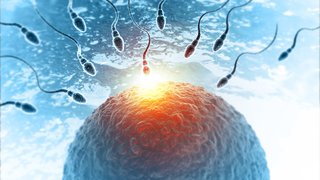
For pregnancy to begin, a fertilised egg has to implant successfully in the uterine lining. This lining has to be receptive to support its growth, but inflammation prevents the implantation.
What Conditions Commonly Cause Low-Grade Inflammation?
Chronic inflammation results from several factors.Metabolic and Hormonal Conditions
- Polycystic ovary syndrome (PCOS), thyroid imbalance, and insulin resistance are linked to higher inflammatory markers. Individuals with PCOS often show elevated C-reactive protein (CRP) levels, which indicates inflammation.
- Autoimmune conditions and poor gut health may always keep the immune system overactive. Food sensitivities can trigger inflammatory responses.
- Lack of sleep, prolonged stress, smoking, and diets high in processed foods increase inflammatory load. Research shows that chronic stress alone can raise inflammatory markers by 20–40%.
What Signs May Suggest Low-Grade Inflammation?
Low-grade inflammation is subtle. You may notice indirect signs such as the ones listed below.- Irregular menstrual cycles
- Fatigue without a clear cause
- Difficulty conceiving despite normal test results
- Bloating or digestive discomfort
- Hormonal acne or unexplained weight gain
Can Low-Grade Inflammation Delay Pregnancy Without Symptoms?
Inflammation does not cause any symptoms, so it is easy to miss. It may be diagnosed only when you struggle with fertility. Blood tests measuring CRP, insulin levels, or inflammatory markers can identify this hidden issue.
How Is Low-Grade Inflammation Diagnosed?
Doctors may assess the following parameters:- High-sensitivity C-reactive protein (hs-CRP)
- Fasting insulin and glucose
- Hormonal panels
- Autoimmune markers, if needed
What Can You Do to Reduce Inflammation Naturally?
Lowering inflammation supports your reproductive health.Nutrition and Diet Support
- A diet rich in vegetables, fruits, whole grains, omega-3 fats, and lean protein lowers inflammation. The inflammatory markers further decrease within weeks when you reduce sugar and processed foods.
- Exercise for 30 minutes, five days a week, reduces inflammation and improves insulin sensitivity. Go for gentle activities, such as walking or yoga.
- Sleeping 7–9 hours every night allows the immune system to reset. Mindfulness, breathing exercises, and emotional support can reduce stress-induced inflammation.
When Should You Seek Medical Advice?
You should consult your doctor in the following conditions:- You have been trying to conceive for over 12 months (or 6 months if over 35)
- You have known inflammatory or hormonal conditions
- Cycles remain irregular despite lifestyle changes
- You experience repeated implantation failure
What to Do Next: A Practical Checklist
- Track menstrual cycles and symptoms
- Request inflammation-related blood tests
- Improve diet quality gradually
- Prioritise sleep and stress reduction
- Engage your partner in lifestyle changes
- Follow up regularly with your doctor
Emotional and Social Impact of Inflammation-Related Delays
Challenges with conceiving can be heavy on your emotions. You may feel frustrated or discouraged and even doubt your reproductive health. Talk about these things with your partner to ease the load. You can also join a support group to share your experiences and hear similar ones. It can make you feel less lonely in such times.Low-grade inflammation may delay pregnancy by disrupting hormones, ovulation, and implantation. It can remain hidden for years, but it can be managed with the right medical care and lifestyle changes. Addressing inflammation early can improve your fertility and also long-term health.
You’re not alone in your journey when trying to conceive. Join our supportive community to connect with others, share experiences, and find encouragement every step of the way.
FAQs on How Low-Grade Inflammation Delays Pregnancy?
- Can low-grade inflammation affect fertility even with regular periods?
Ovulation may occur, but egg quality or implantation may still be affected. - How long does it take to reduce inflammation naturally?
Improvement may begin within 6–12 weeks with consistent lifestyle changes - Does treating inflammation guarantee pregnancy?
Treatment makes the condition favourable for pregnancy, but the outcome depends on several other factors.