In this article:
Your body is in the luteal phase before your menstruation. The key hormone that drives this phase is progesterone, which gets the uterus ready for a possible pregnancy. Progesterone also changes how your blood vessels work, how your brain controls temperature, and how your metabolism works. It could make your temperature feel unstable right now.
How Hormones Influence Body Temperature Before Your Period?
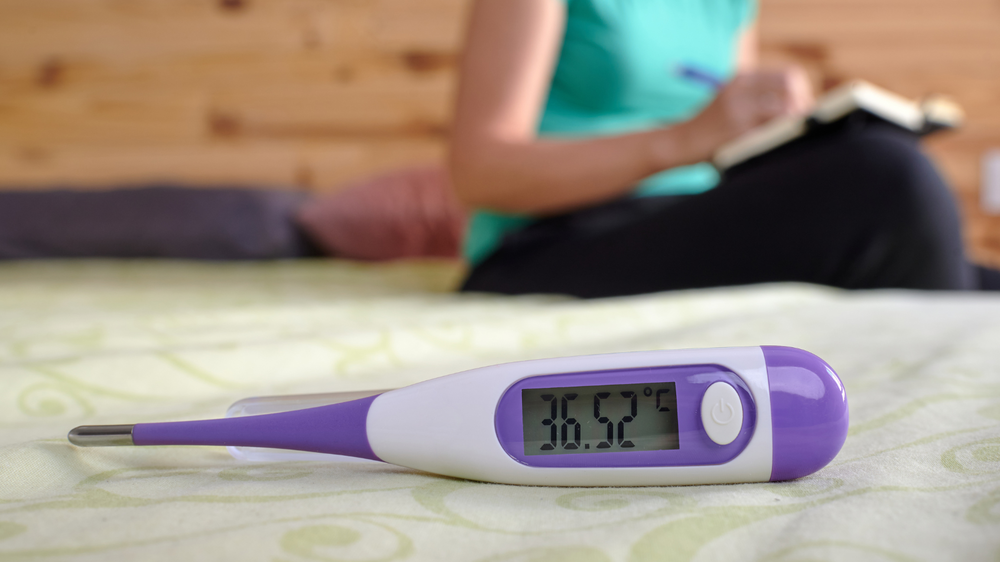
Hormones are the biggest reason temperature feels different in the days leading up to your period. After ovulation, progesterone rises. This hormone naturally increases your core body temperature. That is why many people tracking basal body temperature notice a rise after ovulation.You may experience:
- Feeling warmer at night but cold during the day.
- Sudden chills even in normal weather.
- Heat sensitivity without a fever.
- Mild night sweating without illness.
Why Temperature Feels More Noticeable When You Are TTC?
When you're trying to get pregnant, you become much more aware of your body. Being more aware might make regular feelings seem stronger.There are a few causes for this:
- You are paying more attention to what your body is telling you.
- You might be tracking your basal temperature or ovulation.People care more about the outcome.
- Stress levels are generally slightly higher than usual.
The Role of the Nervous System in Temperature Changes
Your nervous system plays a quiet but influential role in how stable your body temperature feels.Before your period, the nervous system tends to become more reactive. It is especially true during the late luteal phase.
When the nervous system is more sensitive:
- Blood flow to the skin may fluctuate.
- You may feel sudden coldness or warmth.
- Temperature perception becomes sharper.
- Changes in temperature as you sleep feel stronger.
Why the Temperature Feels More Unstable at Night
At night, a lot of people notice variations in temperature the most. It happens because progesterone levels are highest during the luteal phase.- Your body naturally gets warmer as you sleep.
- Your blood sugar may drop during the night.
- The neurological system goes into repair mode.
- Sweating at night without a fever.
How Blood Flow Affects How You Feel Temperature
Before your period, circulation patterns can change. Progesterone causes blood vessels to relax. It can lead to:- Warm core temperature.
- Cold hands and feet.
- Flushed face at times.
- Temperature differences across the body.
You may notice that:
- Your feet feel icy while your chest feels warm.
- You feel cold in air-conditioned spaces more easily.
- Warmth feels uncomfortable rather than soothing.
- These are circulation-based sensations, not signs of poor health.
Can Temperature Instability Signal Early Pregnancy
It is a common question, especially when TTC. Temperature changes alone cannot confirm pregnancy. Many of the sensations that occur before your period are similar to those of early pregnancy because progesterone is elevated in both situations.What matters is:
- Duration rather than intensity.
- Whether the temperature remains elevated beyond your expected period.
- Whether other symptoms appear together consistently.
Realistic Ways to Help Control Body Temperature TTC
You can't completely regulate hormones, but you can help your body's systems that keep them in check.Helpful steps are:
- Keeping a regular sleep routine.
- Stay away from very hot or cold temperatures late at night.
- Eating regular meals to prevent dips in blood sugar.
- Wearing breathable clothing during sleep.Practising calming activities in the evening.
Emotional Factors and Temperature Sensitivity
Emotions influence physical sensations more than most people realise. Before your period, emotional sensitivity increases. It can amplify physical sensations, such as temperature changes.You may feel:
- More reactive to discomfort.Less tolerant of heat or cold.
- More aware of bodily sensations.
It might be perplexing and upsetting to feel like your body temperature is unstable before your period while you're trying to get pregnant. These changes are usually caused by progesterone, a sensitive nervous system, changes in circulation, and increased awareness of your emotions, which is not a problem.
Your body is responding to hormonal cues right now, getting ready for either your period or a possible pregnancy. Understanding these patterns can help you feel more grounded, less anxious, and more trusting of your body’s natural rhythms during the TTC journey.
FAQs on Why Your Body Temperature Feels Unstable Before Your Period When TTC
- Is it common to feel both hot and cold before your period while you're trying to get pregnant?
Yes, that's usual. During the luteal phase, changes in hormones, notably progesterone, might make it hard to keep your body temperature stable. - Can stress make fluctuations in temperature seem worse before my period?
Yes. Stress affects the neurological system, which helps regulate body temperature. Even minor stress that lasts for a long time can make feelings stronger. - Is it a problem if my temperature changes every cycle?
If the pattern happens solely before your period and goes away once your period starts, it's generally just how your hormones work. You should talk to a doctor if your symptoms don't go away or get worse.