In this article:
What Is the Cervix?
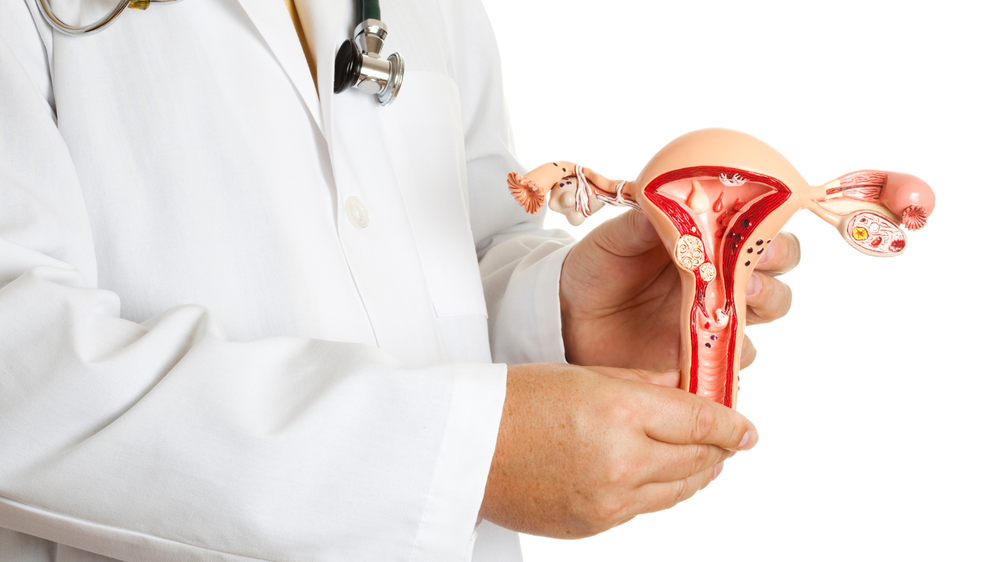
The cervix is the lower, narrow part of the uterus that connects the uterus to the vagina. It plays an essential role throughout a woman’s reproductive life. During the menstrual cycle, hormones cause the cervix to change its consistency and secretions (position, firmness, and openness) to support ovulation and menstruation.Around ovulation, the cervix softens, opens slightly and produces copious, thin, somewhat ‘egg white’ like mucus that aids in sperm transport inside the uterus, thus facilitating fertilisation. During pregnancy, the cervix shifts its role from allowing entry to providing protection. Hormones cause the cervix to remain firm and closed, helping keep the pregnancy safely inside the uterus. The cervix also begins producing thick mucus that forms a protective barrier against infection. These early changes support implantation and help maintain a healthy pregnancy from the very beginning.
What are the Signs and Symptoms of Cervical Changes in Early Pregnancy?
Cervical changes in early pregnancy often occur quietly, but some women notice subtle signs as hormones and blood flow increase. These changes support implantation and protect the growing pregnancy.Symptoms
- Increase in white or milky vaginal discharge
- Cervical mucus appears thick and sticky
- Mild pelvic heaviness or pressure
- Increased vaginal moisture
Signs
- The cervix feels soft during the medical examination
- The cervix is positioned higher inside the vagina
- The cervix appears bluish or purplish during the clinical exam
- Reduced ability to feel the cervix during self-checks
What are the Common Cervical Changes in Early Pregnancy
Early pregnancy triggers clear, purposeful changes in the cervix as hormones prepare the body to support a developing pregnancy. These changes occur early and help protect the uterus and embryo.Softer Cervix
Higher Cervical Position
Increased Cervical Mucus
Cervical Colour Changes
Note: Cervical changes alone cannot confirm pregnancy. Self-checking the cervix may cause confusion and anxiety, as cervical position varies among women. Although healthcare providers may observe cervical changes during examination, pregnancy tests and an ultrasound provide accurate confirmation.
When to Contact a Doctor?
You should contact a doctor if any of the following symptoms appear during early pregnancy:- Persistent lower abdominal or pelvic pain that does not ease with rest
- Heavy vaginal bleeding or bleeding accompanied by clots
- Foul-smelling, yellow, green, or itchy vaginal discharge
- Fever, chills, or signs of infection
- Sharp pain during urination or intercourse
- Sudden increase in pelvic pressure or discomfort
- History of cervical procedures, recurrent miscarriages, or high-risk pregnancy
- Any cervical change that causes worry or feels unusual
What to Do Next?
- Attend early prenatal appointments
- Maintain good intimate hygiene
- Avoid unnecessary vaginal examinations
- Report unusual symptoms to your doctor
- Follow medical guidance for early pregnancy care
FAQs on Can Cervical Changes Be an Early Sign of Pregnancy?
- Does the cervix close during early pregnancy?
Yes. The cervix remains closed to protect the uterus. - Is increased discharge normal in early pregnancy?
Yes. Thick or creamy discharge is common and protective. - Can I check my cervix at home to confirm pregnancy?
No. Cervical changes vary and cannot reliably confirm pregnancy.