In this article:
Understanding Hormone Imbalance
Before trying to “fix” hormones, it’s helpful to understand what causes them to shift. Common reasons include:
- Nutrient deficiencies: Low levels of vitamin D, iron, zinc, or B vitamins can disrupt reproductive hormones.
- High stress: Constant cortisol release interferes with ovulation and menstrual rhythm.
- Poor sleep: Less than 7–8 hours nightly affects melatonin and oestrogen balance.
- Environmental toxins, including pesticides, plastics, and synthetic chemicals, can mimic hormones.
- Blood sugar fluctuations: Skipping meals or consuming excessive refined sugar can affect insulin and oestrogen levels.
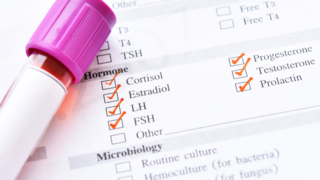
- Menstrual irregularities are often attributed to hormonal imbalance and may be associated with conditions such as PCOS, thyroid dysfunction, hyperprolactinaemia, anaemia, congenital abnormalities, eating disorders, and obesity. It is important to rule out these causes through simple blood tests and a pelvic ultrasound (USG) before focusing solely on lifestyle correction.
Nutrition for Hormone Harmony
Food can either cause problems or help you heal. When you choose your meals carefully, each one supports your body’s balance.
1. Eat Balanced Meals
Combine complex carbohydrates (millets, red rice, sweet potatoes) with protein (lentils, paneer, eggs) and healthy fats (ghee, sesame seeds, coconut). Avoid skipping meals, especially breakfast, as it helps set the tone for maintaining balanced blood sugar levels throughout the day.2. Focus on Iron and Folate
Iron supports ovulation and follicle growth, while folate boosts fertility by improving egg health.- Iron-rich foods: beetroot, spinach, amaranth leaves, jaggery, and dates.
- Folate-rich foods: green peas, methi, drumstick leaves, and black gram.
3. Add Omega-3 Fats
These anti-inflammatory fats help regulate prostaglandins, easing period cramps and balancing oestrogen. Some sources include flaxseeds, chia seeds, walnuts, and mustard oil.4. Mind Your Gut
A healthy gut helps metabolise oestrogen properly. Include fermented foods like homemade curd, idli, dosa, and kanji. Eat enough fibre from fruits, vegetables, and millets.5. Reduce Sugar and Refined Carbs
High sugar spikes stress the body's insulin and androgen levels. Instead of sweets and packaged snacks:- Choose fruits such as guava, papaya, or pomegranate.
- Choose roasted chana or nuts as mid-meal snacks.
6. Stay Hydrated
Dehydration worsens PMS symptoms and fatigue. Drink plain water, tender coconut water, or herbal infusions like tulsi and cumin water.Lifestyle for Hormone Health
1. Manage Stress, Gently
Stress is the silent disruptor of hormones. Regular relaxation practices can help lower cortisol levels and restore a healthy reproductive rhythm.- Try daily pranayama (deep breathing) for 10 minutes.
- Gentle yoga poses, such as child’s pose or legs-up-the-wall, can improve blood flow to the reproductive organs.
- Make time for small joys like listening to music, getting some sunlight, or enjoying quiet moments.
2. Sleep with a Routine
The body heals and resets hormones during deep sleep.- Aim for 7–8 hours nightly.
- Reduce screen exposure for at least an hour before bed.
- Keep your bedroom dark and slightly cool for better melatonin production.
3. Move Mindfully
Exercise supports insulin sensitivity and blood flow, but extremes can harm fertility.- Include 30–40 minutes of moderate activity daily — brisk walks, yoga, swimming, or cycling.
- Avoid excessive high-intensity workouts if your period is irregular or you feel fatigued.
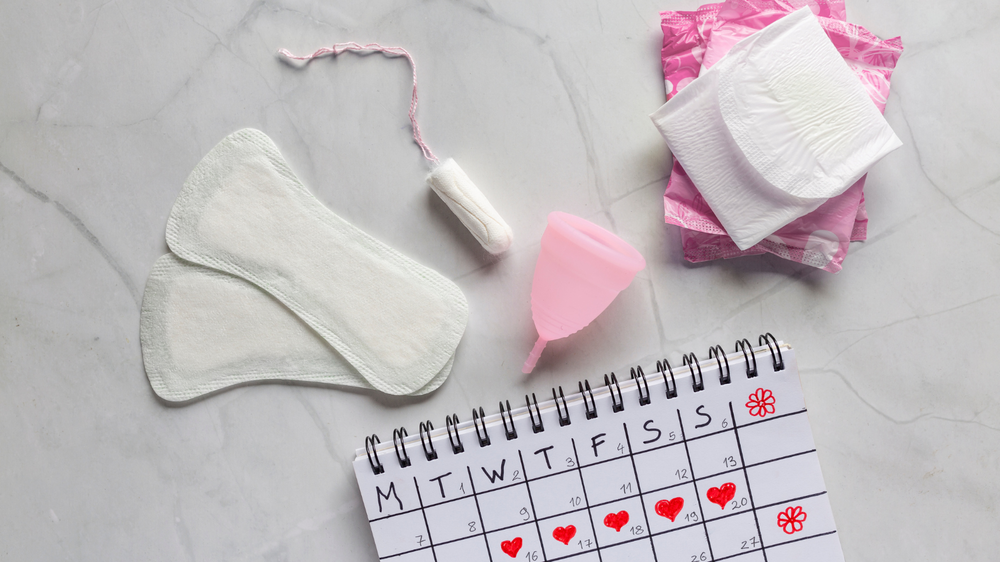
4. Track Your Cycle
Knowing your body’s rhythm helps you recognise early changes.- Note cycle length, flow, pain, and mood.
- Regular tracking helps spot patterns and tailor food or rest accordingly.
5. Limit Chemical Exposure
Hormone disruptors often hide in plastics, cleaning agents, and cosmetics.- Store food in steel or glass containers.
- Choose natural fabrics and mild soaps.
- Ventilate your home daily to reduce indoor toxins.
Supporting Fertility Naturally
Balanced hormones are key to fertility — not just for conception but also for maintaining reproductive health.
1. Maintain a Healthy Weight
Both undernutrition and excess body fat affect oestrogen levels. Focus on a gradual, sustainable balance through mindful eating and movement. Maintaining a BMI of 18 is required to maintain regular menses. Normal BMI is up to 24.9. Any weight-loss measures of 5-10% of body weight can help restore regular menses. A holistic approach aimed at restoring even 4–6 menstrual cycles per year can be beneficial for maintaining menstrual health and improving the chances of achieving pregnancy, especially in women with long-standing cycle irregularities.2. Include Zinc and Selenium
These minerals aid reproductive function and cell repair. Some sources include pumpkin seeds, cashews, sesame seeds, and whole grains.3. Balance Blood Sugar
Fluctuating glucose levels affect ovulation and progesterone production.- Eat small, regular meals.
- Avoid long gaps between meals.
- Choose traditional Indian grains over refined flour.
4. Avoid Extreme Diets
Eliminating entire food groups can disrupt hormonal balance. Choose nourishment, not deprivation.5. Stay Positive and Patient
Hormonal repair takes time. Each balanced meal and restful night contributes to long-term wellness.Bringing It All Together
Hormone balance is not about doing everything at once. It’s about listening to your body, choosing calm over chaos, and giving it what it truly needs.
Small steps, such as eating balanced meals, taking quiet walks, and getting enough sleep, gradually help your body find its natural rhythm. When you feel nourished, your cycle becomes smoother, your mood improves, and your fertility can thrive.
You’re not alone in your journey when trying to conceive. Join our supportive community to connect with others, share experiences, and find encouragement every step of the way.
FAQs on Fix Your Period: Natural Nutrition and Lifestyle Secrets for Hormone Harmony
- Can a hormone imbalance be fixed without medication?
In many mild-to-moderate cases, yes. Nutrition, sleep, and stress management are important for restoring balance. The body naturally seeks balance when you eat whole foods, maintain consistent routines, and avoid toxins. However, if symptoms continue or are severe, always see a qualified doctor, as issues like thyroid problems or PCOS may need special care. - How long does it take to notice improvements after making these changes?
It typically takes three to six months of consistent effort to notice changes in your menstrual cycle and energy levels. Hormonal healing is slow because it involves cell repair, better nutrient absorption, and less inflammation. Patience and good habits matter most. Quick fixes rarely last.