In this article:
Let’s discuss the signs of poor egg and sperm health, how egg and sperm quality influence fertilisation and essential tips to increase the chances of a successful pregnancy.
What are the Signs That Egg or Sperm Quality May Be Affected?
Some signs may point toward challenges with egg or sperm quality, although medical evaluation provides the most precise answers.- Difficulty conceiving despite regular cycles
- Recurrent early pregnancy loss
- Irregular ovulation or hormonal imbalance
- Abnormal semen analysis results
- Poor embryo development in fertility treatments
Importance of Egg and Sperm Health in Week 3
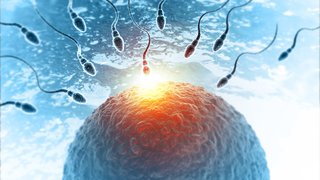
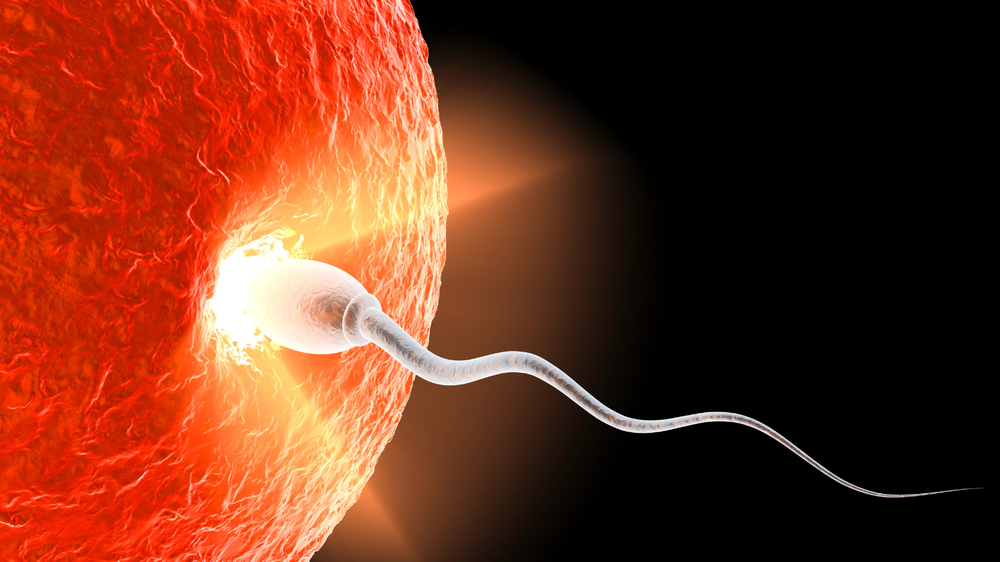
Week 3 is one of the most critical stages in early pregnancy because fertilisation occurs and the embryo begins rapid cell division. The quality of the egg and sperm determines how well these processes unfold. Healthy eggs carry stable genetic material and the energy required for cell division, while high-quality sperm provide accurate DNA and essential proteins. Strong reproductive cells support proper embryo formation, smooth cell division, and timely travel through the fallopian tube toward the uterus.Poor egg or sperm quality can lead to slowed or abnormal cell division, genetic errors, or difficulties with implantation. Even when fertilisation occurs, compromised gametes may reduce the embryo’s ability to grow into a healthy blastocyst. Maintaining egg and sperm health before and during week 3 improves the chances of successful implantation and sets the foundation for a healthy pregnancy.
How Do Egg and Sperm Quality Influence Early Embryo Growth?
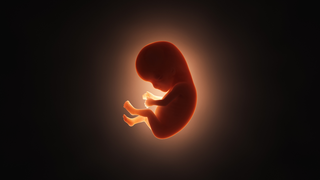
Egg and sperm quality directly shape how the embryo develops in its earliest days. A healthy egg provides stable genetic material, strong mitochondria for energy, and the cellular machinery needed for rapid cell division. Healthy sperm, on the other hand, contribute intact DNA and proteins that guide the embryo’s initial growth. When both egg and sperm are strong, the zygote divides evenly, forms a morula, and develops into a blastocyst efficiently. Problems with either egg or sperm can slow cell division, increase the risk of genetic errors, or affect the embryo’s ability to reach the uterus on time for implantation.The first week after fertilisation is a highly sensitive period, and the embryo relies entirely on the quality of the reproductive cells. High-quality eggs and sperm support proper gene activation, energy production, and cell communication, all of which are crucial for early development. Embryos formed from healthier gametes tend to show better organisation, more balanced cell growth, and greater potential for successful implantation.
How to Support Egg and Sperm Quality for Successful Conception?
Week 3 is a crucial period in early pregnancy when fertilisation occurs, and the embryo begins dividing. Couples can actively support healthy egg and sperm quality through diet, lifestyle, and preconception care to increase the chances of successful fertilisation. Maintain a Balanced Diet
- A nutrient-rich diet provides essential vitamins, minerals, and proteins that support healthy egg and sperm development. In the Indian context, include leafy greens like spinach (palak) and fenugreek (methi), legumes like lentils and chickpeas, nuts and seeds such as almonds, walnuts, and flaxseeds, and dairy products like milk and paneer for calcium and protein. Omega-3 fatty acids from fish such as rohu or mackerel help improve reproductive cell function.
Stay Hydrated
- Proper hydration ensures nutrient transport, hormone balance, and optimal reproductive function. Drinking water, coconut water, and herbal teas like tulsi or ginger tea help maintain hydration and support healthy gametes. Avoid excessive consumption of sugary drinks or caffeinated beverages, as they can interfere with hydration and hormonal balance.
Manage Stress and Prioritise Sleep
- Chronic stress and poor sleep can affect hormone levels critical for ovulation and sperm production. Incorporating relaxation techniques such as yoga, pranayama, meditation, or guided breathing exercises can reduce stress. Practising a consistent sleep schedule, aiming for 7-8 hours per night, and keeping the room dark and quiet support hormonal balance and reproductive health.
Note: Consult a gynaecologist, fertility specialist, or healthcare professional before making dietary, supplement, or lifestyle changes.
What to Do Next?
- Schedule a preconception or early pregnancy consultation
- Follow a nutrient-rich, balanced diet
- Avoid smoking, alcohol, and harmful substances
- Manage stress through gentle lifestyle practices
- Seek early medical advice if conception feels delayed
Week 3 represents a powerful turning point in early pregnancy: egg and sperm quality shape fertilisation, cell division, and the embryo’s preparation for implantation. Healthy reproductive cells provide the foundation for stable early development and long-term pregnancy success.
You’re not alone in your journey when trying to conceive. Join our supportive community to connect with others, share experiences, and find encouragement every step of the way.
FAQs on Why Healthy Egg and Sperm in Week 3 Can Boost Pregnancy Success
- Can fertilisation happen with poor egg or sperm quality?
Yes, fertilisation can occur, but poor quality may affect embryo development or implantation. - Does age affect egg and sperm quality?
Age affects egg quality more than sperm quality, but both can decline with age and lifestyle factors. - Can lifestyle changes improve egg and sperm quality?
Yes, healthy nutrition, reduced stress, and medical care can support reproductive cell health over time.