In this article:
What are Hives After Childbirth
Postpartum hives look like weals, rash, or welts, which look like swollen, itchy patches spread on the skin. It may resemble eczema and may be accompanied by burning, stinging, or severe itching. Although it disrupts the new mother’s sleep, it does not cause scarring or any permanent skin marks. It typically resolves within a few days to weeks.Postpartum Hives and Common Pregnancy Rashes
Pregnancy rashes in Ladue include polymorphic eruption of pregnancy (PEP), or pruritic urticarial papules and plaques (PUPPP). These often start in the third trimester on the stomach and look like small papules. Postpartum hives arise after delivery, anywhere on the body, due to inflammation and immunity rebound.- PUPPP: Features small red or purple papules or plaques in stretch marks and resembles eczema. PUPPP typically begins on stretch marks and spreads to the thighs, arms, and back. Abdominal stretching is the primary cause of PUPPP.
- Contact Dermatitis: Red, inflamed patches that appear dry and blistered often arise from contact with external allergens such as soaps, jewellery, or fabrics.
- Eczema: Scaly red patches that thicken with scratching. Eczema typically occurs on dry areas such as the insides of the elbows, behind the knees, and on the hands, and it can spread when you scratch.
Why Do You Develop Hives After Childbirth
- Hormonal Crash: After delivery, oestrogen and progesterone drop sharply within days, and prolactin surges to support breastfeeding. Hormonal fluctuations trigger histamine release and vascular permeability, forming hives. Prolactin triggers skin sensitivity, causing allergies.
- Immune System Rebound: During pregnancy, the mother's immune system adapts to the fetus. However, after delivery, the immune system rebounds and releases histamine, triggering vascular leakage and itchy welts.
- Delivery Stress: Labour pains, physical and emotional stress, and trauma experienced during delivery increase baseline cortisol and disrupt the body’s stress response, triggering mast cell activation and releasing histamine.
- Medication: Pain medications administered during labour can also trigger hives through histamine release or immune responses.
How Postpartum Hives Look
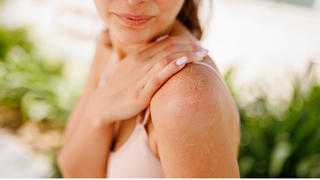
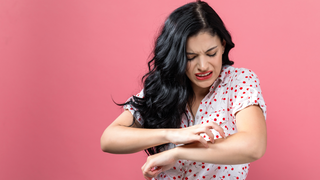
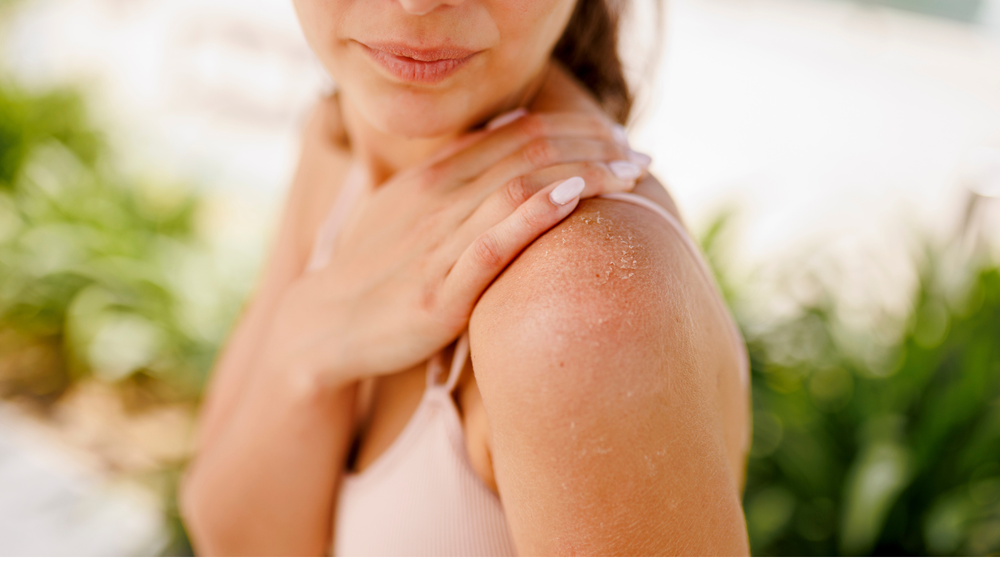
Hives after childbirth look like red, pink-coloured, swollen bumps that may cluster into patches or form worm-like shapes. On light skin, it appears pinkish-red with a white centre. In a dark tone, they appear dark or slightly light. The skin texture is similar to that of eczema. Hives can appear anywhere on the face, neck, back, chest, arms, or legs.Itchiness and mild, stinging sensations prevail, disrupting sleep, breastfeeding, and other daily activities. Exposure to heat and sweat worsens the pain. It also presents with swelling of the eyes, lids, hands, or feet. You may experience an itch to scratch the skin, which can intensify the hives. Single welts fade before 24 hours and resurface again.
When do Postpartum Hives Typically Appear
- Immediate Postpartum: Hives often flare up within 48 hours after birth, triggered by medication, IV fluids, or c-section. Delivery stress triggers histamine release, which further provokes the highest levels.
- Days to Weeks After Delivery: It can also occur between 3 and 14 days postpartum due to hormonal withdrawal and immune rebound. Sleep deprivation, prolactin release, and dietary changes further increase.
- Late Postpartum: Late-onset hives are related to prolonged hormonal stabilisation.
How Long Do Postpartum Hives Last
Postpartum hives typically resolve within a few weeks. When hormones start to normalise, individual welts disappear within 24 hours. Hisbere the stress and breastfeeding increase outbreak.Are Postpartum Hives Dangerous
Postpartum hives or urticaria are not dangerous. It can cause intense itching and discomfort, but it doesn't lead to scarring or long-term marks on the skin. Hives rarely persist beyond 6 weeks, which may be due to thyroid dysfunction or infection. If you feel difficulty breathing, rapid heartbeat, throat swelling, fever or joint pain, consult a dermatologist or OB-GYN.Treatment Options
- Antihistamine: Second-generation antihistamines, cetirizine and loratadine, are preferred. These pass into breast milk in very minimal amounts and won't pose any risk to newborns.
- Topical Treatment: Applying hydrocortisone to the welts twice daily reduces inflammation.
- Natural Remedies: A cold compress constricts blood vessels and soothes pruritus. Wear loose cotton clothing and avoid touching the area; use a fragrance-free, lightweight moisturiser.
Can Breastfeeding Worsen Hives
Prolactin, the milk-producing hormone, dramatically increases after delivery. The release of prolactin and a drop in estrogen and progesterone provoke allergic responses, where mast cells release histamine. Nursing increases skin friction, sweat, and heat in the chest, irritating the potatorum skin and causing histamine release. Additionally, sleep deprivation and dietary changes introduce additional allergens.Lifestyle And Dietary Factors That Might Help
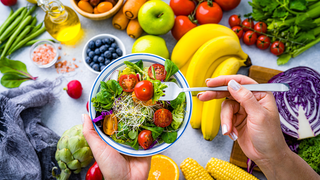
Enjoying a nutrient-rich, anti-inflammatory Diet reduces histamine release and supports skin barrier function. Eat fresh vegetables, protein, and Omega-3 fatty fish. Avoid foods that are high in histamine, such as cheese, fermented foods, alcohol, nuts, chocolate, strawberries, tomatoes, spinach, and processed meats. Apple, onions, and berries are rich in quercetin, which acts as a natural antihistamine. Drink 8-10 glasses of water every day to flush toxins and hydrate your body.Chronic stress increases cortisol and worsens the hives. Regular breathwork, muscle relaxation, and guided meditation help reduce stress. Maintain a healthy, fragrance-free skincare routine. When hives appear, you might be tempted to itch and scratch the area. Don't scratch it; instead, pat dry and apply a thick emollient to seal the moisture. Hives after childbirth are not a serious condition or something that should be worried about. It will resolve on its own in 7-10 days.
Whether you’re pregnant, a new mom, or navigating postpartum, you don’t have to do it alone. Join our support group to connect, share, and support one another.
FAQs on What are Postpartum Hives: Symptoms, Treatment, Recovery For Hives After Childbirth
- Which vitamin is good for hives?
For hives after childbirth, vitamin D3, vitamin C, and vitamin B12 are considered great. Vitamin D can reduce outbreak frequency and severity, and vitamin C acts as a natural antihistamine and antioxidant, regulating histamine levels and inflammation. Apples and onions are a rich source of quercetin, which acts as a natural antihistamine. - What to wear to bed with hives?
Hives can worsen when they come into contact. So try to wear loose-fitting, lightweight fabric made with 100% cotton, linen, or silk to bed. This allows the skin to breathe, reducing friction and irritation. Avoid tight pants, waistbands, and fabrics made with wool or polyester, as they can worsen the irritation.