Times Future of Maternity 2026 | India's Largest Maternity Ecosystem Gathering

Are C-Sections an Early Marker of Women’s Lifelong Cardiovascular Risk?

Caesarean sections (C-sections) are standard in modern obstetrics, providing a safe option for delivering babies when vaginal birth poses risks. However, emerging research suggests that women who undergo C-sections may have an increased risk of long-term cardiovascular issues. This article explores the potential link between C-sections and heart health, why it matters, and steps women can take to monitor and protect their cardiovascular system over a lifetime.

Pregatips.com
c section cardiovascular risk
Caesarean delivery is one of the most common surgical procedures worldwide, and its use continues to rise. While C-sections can be lifesaving for both mother and child, growing evidence suggests they may also reflect underlying health conditions that extend well beyond pregnancy.
Conditions such as hypertension, gestational diabetes, and obesity often lead to the need for surgical delivery and are also known risk factors for cardiovascular disease later in life. Now, the question arises: Does a C-section mark a complicated pregnancy, or does it signal a higher lifelong risk to a woman’s heart?

Thus, understanding the link could help clinicians use pregnancy and delivery history as an early window into women’s long-term cardiovascular health. Let’s discuss whether C-sections are an early indicator of cardiovascular health risk in women.

What are C-Sections and Their Impact?

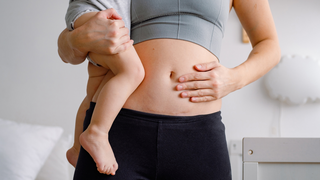
A caesarean section is a surgical procedure used to deliver a baby through incisions in the abdomen and uterus. While the procedure addresses immediate obstetric concerns, it also introduces physiological stress and alters recovery compared to vaginal birth. The theory linking C-sections to long-term cardiovascular risk is multifactorial.

  • Underlying Health Conditions

Many women who require a C-section have pre-existing conditions such as obesity, gestational diabetes, or hypertension. When present independently, these conditions increase the risk of cardiovascular disease later in life. In such cases, the C-section may act as an indicator of these underlying health challenges rather than being the direct cause of cardiovascular issues.

  • Inflammatory Response

Surgery naturally triggers an inflammatory response as the body works to heal incisions and recover from trauma. Constant or heightened inflammation can affect metabolic and cardiovascular health over time, potentially increasing the risk of hypertension, heart disease, or metabolic syndrome.

  • Hormonal and Microbiome Changes

Delivering via C-section can alter hormone levels, including cortisol and oestrogen, which play key roles in metabolic and cardiovascular regulation. Furthermore, the infant’s exposure to maternal microbiota differs between vaginal delivery and caesarean delivery, which may indirectly influence maternal gut health and metabolism. These changes can contribute to long-term alterations in cardiovascular and metabolic function.

Can C-Sections Influence Long-Term Heart Health?

Recent research has explored whether C-section delivery may be linked to an increased risk of cardiovascular issues later in life. Understanding these findings can help women take proactive steps to monitor and protect their heart health.

  • Higher High Blood Pressure and Metabolic Syndrome

Studies suggest that women who have undergone C-sections may experience elevated rates of hypertension and metabolic syndrome decades after delivery, indicating potential long-term cardiovascular implications.

  • Increased Risk of Type 2 Diabetes

A cohort study of 33,226 women found significant long-term health differences by birth mode. Specifically, women born via caesarean section had an 11% higher risk of developing obesity in adulthood. Furthermore, they faced a 46% greater likelihood of developing type 2 diabetes compared with women delivered vaginally.

  • C-Section as a Potential Risk Marker

Researchers caution that the procedure itself may not directly cause cardiovascular issues. Instead, a C-section may serve as an early indicator of pre-existing health conditions, such as obesity, gestational diabetes, or hypertension, which contribute to long-term heart risk.

What are the Steps Women Can Take After a C-Section?

Recovering from a C-section involves more than surgical healing. Women can take proactive steps to support long-term cardiovascular health and overall well-being. Here’s how to reduce future risks and promote optimal recovery.

  • Schedule Postpartum Check-ups

Regular follow-up visits with your doctor are crucial after a C-section. These appointments allow doctors to monitor surgical healing, detect complications, and assess long-term health markers such as blood pressure, weight, and metabolic indicators. Consistent medical oversight ensures any emerging health concerns are identified and managed promptly.

  • Monitor Blood Pressure and Blood Sugar

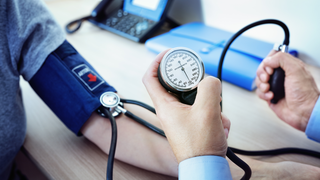
Regular monitoring of blood pressure and blood sugar levels helps detect early signs of hypertension or type 2 diabetes, which are linked to increased cardiovascular risk. Keeping track of these markers allows for timely intervention, lifestyle adjustments, or medical treatment, supporting long-term heart health and metabolic stability.

  • Prioritise a Heart-Healthy Diet

A nutrient-rich diet plays a vital role in supporting cardiovascular and metabolic health. Focus on consuming plenty of vegetables, fruits, whole grains, lean proteins, and healthy fats, while limiting processed foods and added sugars. Balanced nutrition helps maintain a healthy weight, reduces inflammation, and supports hormone regulation, all of which are essential for post-C-section recovery and long-term heart health.

  • Exercise Regularly

Gradual physical activity after a C-section improves circulation, strengthens muscles, and supports cardiovascular fitness. Begin with gentle movements such as walking or stretching, and progress to moderate-intensity exercise as recovery allows. Regular exercise helps manage weight, improves metabolic function, and reduces the risk of long-term cardiovascular disease.

  • Don’t Overlook Stress Management Techniques

Chronic stress can negatively impact blood pressure, heart health, and overall well-being. Incorporating stress-reducing practices such as mindfulness, yoga, meditation, or deep-breathing exercises helps regulate the nervous system, supports hormone balance, and contributes to long-term cardiovascular health.

Note: Individual health needs and recovery after a C-section can vary widely. Consult a qualified gynaecologist before making changes to your diet, exercise routine, or stress-management practices, especially if you have pre-existing medical conditions or complications during delivery.

While C-sections are safe and often necessary, they may serve as an early marker of increased cardiovascular risk in some women. C-sections directly cause heart disease, but they highlight the importance of awareness, monitoring, and proactive lifestyle management. Taking preventive measures may help women protect their long-term cardiovascular health and overall well-being.

Whether you’re pregnant, a new mom, or navigating postpartum, you don’t have to do it alone. Join our support group to connect, share, and support one another.

FAQs on Are C-Sections an Early Marker of Women’s Lifelong Cardiovascular Risk

  1. Does having a C-section guarantee heart problems later in life?
    No. A C-section does not directly cause heart disease, but it may indicate a higher risk due to associated factors such as pre-existing health conditions.
  2. Should women who had a C-section have more frequent cardiovascular check-ups?
    Yes. Regular monitoring of blood pressure, cholesterol, and blood sugar is recommended, particularly for women with additional risk factors.

How we reviewed this article
Our team continuously monitors the health and wellness space to create relevant content for you. Every article is reviewed by medical experts to ensure accuracy.
Times Future of Maternity 2026 | India's Largest Maternity Ecosystem Gathering