In this article:
Types of Incision
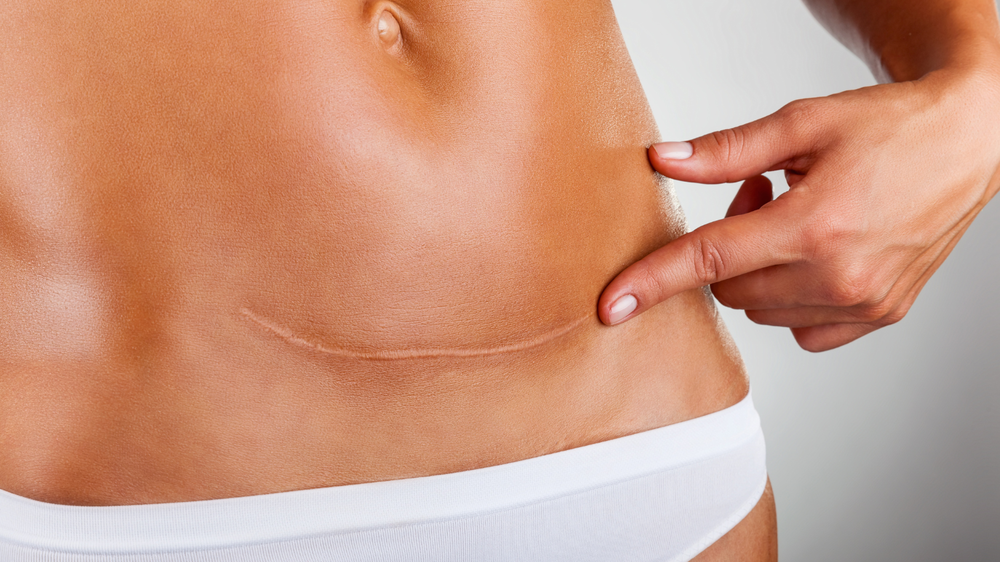
- Skin Incision: The abdominal skin is cut, and tissues are separated. The most common type of incision is a low transverse, which runs horizontally above the pubic hairline. Vertical midline incision (used only during emergencies) extends from the navel towards the pubic area. Another rare type is a low vertical incision.
- Uterine Incision: Cutting directly on the uterus to deliver the baby. The most common type is a low transverse incision (horizontal), as it allows less bleeding and increases repair and healing. For preterm babies, a classic upper vertical incision is used.
Cesarean Incision Healing Timeline
- Day 1-3: 95% of cases stop bleeding within hours of surgery. Redness and swelling are normal. Pain, especially when moving and coughing, is expected. The incision feels fresh, warm and tender.
- Day 4-14: The inflammation spikes and reduces, and is replaced with itching and pulling sensations due to new tissue formation. Wound edges close in 7-10 days.
- Week 3-6: Collagen thickens the scar, and the colour transforms from red to purple. New blood vessels make the area look shiny. Movement becomes easy and less painful.
- Months 2-6: Scar flattens and softens under pressure. The colour begins to lighten due to melanin loss.
- After 6 Months: The scar looks thin, pale and flexible. Scar starts to fade.
How to Care for a C-section Incision
Cleaning
Daily cleaning prevents infection. Gently wash the incision with mild soap and water. Don't use harsh antiseptics, as they can delay collagen formation. Before starting cleaning, wash your hands thoroughly to minimise bacteria and fasten the wound closure.- Keep the area clean: Shower daily or wash it warm water. Use fragrance-free mild soap.
- Pat Dry: Using a clean soft towel or gauze pad, gently press the area. Don't rush, as it can delay closure. Patting preserves wound integrity.
- Don't use: Antiseptics, oils, powders. It may contain toxic substances and impair healing. Powders trap moisture and increase bacteria. Antiseptics delay proliferation.
Keep the Area Dry
Keeping the incision dry reduces the risk of infection and bacterial growth, especially in humid climates where sweat accumulation is common. After a shower, pat the area dry and let it air-dry.- Airing out: Lie on your back and use a hand fan or the ceiling fan to air dry the wound.
- Clothing: Opt for 100% cotton wear, loose pants, and breathable dresses. Avoid nylon or polyester, which can trap heat and increase risk.
- Prevent Sweating: In humid areas, try to keep the room temperature between 24-26 °C or shower twice. Keep yourself hydrated to regulate body temperature.
- Position: Sleeping in a semi-reclined or side-lying position by supporting pillows in between.
Dressing
Steri-strips typically fall off within 7-10 days. Ensure the incision remains dry. If it becomes wet, leave it in place to allow it to fall off naturally. If the area itches or blood oozes after peeling, clean the area and air dry.Supporting Incision During Movement
Fresh wounds can hurt during movement, coughing, laughing, or when you change position.- Coughing and Laughing: Sit upright or stand and place one hand over the incision.
- Getting out of Bed: Follow the leg-rolling Technique.
- Lifting: Don't lift anything other than your baby for the first 6 weeks.
- Movement: Walk gently and frequently for the first two days. As the wound starts to heal, increase the movement.
Pain Management
During the first few days, pain, itching, swelling, and redness are common and expected. Following proper pain management is crucial for regaining mobility and reducing stress hormones. If the pain becomes unbearable initially, your doctor might suggest some painkillers. After a few days, the wound starts to heal, and the pain subsides.How to Prevent C-Section Incision Infection
- Maintain Hygiene: Shower daily and keep the area dry and allowing air to reduce bacteria and sweat buildup.
- Mobility: Gentle walk, movement, and mobility exercises reduce blood clotting and increase oxygenation.
- Nutrition: Ensure you eat a balanced diet, including protein and vitamin C for collagen and proliferation.
- Avoid Smoking Exposure: Second-hand smoke impairs oxygen delivery
- Blood Sugar Control: Maintain blood sugar levels to support faster wound healing. Follow a low-GI diet to reduce the risk of infection.
Post C-section Scar Care
You can start scar care after 6 weeks of childbirth, when the wound is fully closed, and once you get clearance from your doctor. - Silicone Therapy: Apply a silicone sheet to the cleaned and dry scar. Silicone gels can also be used twice daily. It helps flatten, soften, and fade scar appearance.
- Massage Techniques: Begin direct scar massage once the incision is fully healed. Wash your hands and apply a moisturising lotion. Using your fingertips, apply gentle pressure in up-and-down, side-to-side, and circular motions.
- Sun Protection: Avoid wearing revealing clothing, and apply SPF 50+ broad-spectrum sunscreen daily; reapply every 2 hours for faster fading.
Whether you’re pregnant, a new mom, or navigating postpartum, you don’t have to do it alone. Join our support group to connect, share, and support one another.
FAQs on How To Care For A C-Section Incision: Your Complete Guide To C-Section Incision Care
- Does an incision heal faster, covered or uncovered?
Incisions need to be covered with a sterile bandage to avoid bacterial buildup and keep pollution and contaminants at bay. Covering the wound helps promote cell growth and reduces scarring, drying, and crusting. However, you can uncover the incision during cleaning and let it air dry for a few minutes before closing again. Air exposure after cleaning promotes healing. - When should I stop covering my Incision?
You should cover the incision for at least 3 days to keep it dry and avoid infection risk. Once the wound dries out and the incision is closed completely and has started healing internally, you can keep the area open.