Your body does not resume its normal function immediately after giving birth. It may take time to heal, adjust your hormones and support your baby’s needs. The role of oestrogen can be crucial in such times. You may notice that your menstrual periods do not return if you are actively breastfeeding. Your mood, sex drive and skin undergo major changes. It happens because of your oestrogen levels, which are dependent on whether you breastfeed or not.
In this article:
What Is Oestrogen and Why Does It Matter After Childbirth?
Oestrogen is a hormone responsible for the female reproductive system, bone strength, mood and skin. The oestrogen levels rise by 5 to 10 times higher than normal to help your uterus grow and prepare for delivery.However, the levels drop suddenly after you give birth, and the placenta is also delivered. It leads to many postpartum changes such as mood swings, vaginal dryness and hair loss. But the next line of action depends on whether you breastfeed or not.
How Does Breastfeeding Affect Oestrogen Levels?
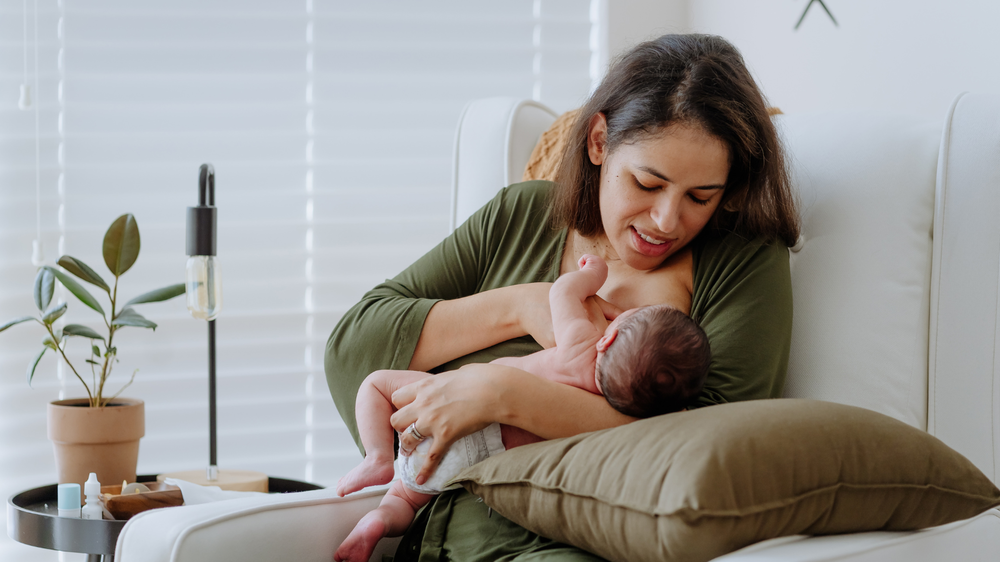
The milk production in your body depends on the prolactin levels when you breastfeed. Prolactin suppresses the oestrogen levels and delays ovulation.- Your oestrogen levels remain lower for a longer period.
- Your menstrual cycle may not return for several months (sometimes up to six months or more).
- You may experience mild vaginal dryness, lower libido, or hot flashes.
What If You Don’t Breastfeed?
Your prolactin levels decrease slowly when you stop breastfeeding after a few weeks or choose not to do it. Your oestrogen levels may rise sooner in such cases, and the menstrual cycle may also return earlier, within 6 to 10 weeks postpartum. You may notice the following signs with the change in your hormones.- Vaginal dryness and mood changes improve faster.
- Skin elasticity and glow return sooner.
- Libido and energy levels become more stable.
Why Does the Difference in Oestrogen Matter?
You can manage your physical health and emotions better after knowing the difference between your low and high oestrogen levels. The following circumstances are common for breastfeeding mothers.- Vaginal dryness, fatigue, or mood changes due to low levels.
- You may experience delayed menstruation and natural contraception (known as lactational amenorrhea).
- Higher oestrogen helps restore normal body functions sooner.
- However, you may notice fluid retention, breast tenderness, or mood fluctuations as hormones rebalance.
How Long Does It Take for Oestrogen to Return to Normal?
The time varies for everyone. So, there is no one rule that fits all.- Oestrogen levels remain low until breastfeeding decreases or stops for breastfeeding mothers.
- For non-breastfeeding mothers, oestrogen levels begin to restore to normal levels within 2–3 months after delivery.
What Can You Do to Support Healthy Hormone Balance?
You can support your hormonal health for faster recovery, whether you continue to breastfeed for years or stop after a few weeks.- Include calcium-rich foods (like milk, ragi, and spinach) and omega-3 fats (from fish or flaxseeds) in your meals to support hormone health.
- Hormone regulation depends on proper fluid balance, so drink enough water.
- Get quality sleep because lack of rest increases stress hormones.
- When it comes to managing stress, deep breathing or light meditation can help you.
- Walking or postnatal yoga improves blood flow and hormone function.
Emotional and Social Aspects You Should Know
Hormonal changes can affect your emotions along with your body. They may influence your mood. You may experience mood swings or mild depression in the postpartum period due to low oestrogen levels. Talk about how you feel with your partner or a close friend. The emotional support can reduce your anxiety and help you feel calm. You can even visit your doctor if the sadness lasts for more than two weeks.When Should You See a Doctor?
The following signs show that it is necessary for you to consult with your doctor:- Extreme mood swings or depression
- Vaginal dryness or pain
- Irregular or heavy bleeding after 6–8 weeks postpartum
- Fatigue that does not improve with rest
What To Do Next: A Simple Checklist
- Track your menstrual cycle and emotional changes.
- Eat a nutrient-rich diet and stay hydrated.
- Get enough rest and avoid stress when possible.
- Do not compare your recovery timeline to others. It will only increase unnecessary stress.
Whether you’re pregnant, a new mom, or navigating postpartum, you don’t have to do it alone. Join our support group to connect, share, and support one another.
FAQs on Why Oestrogen Levels Differ for Mothers Who Breastfeed vs. Don’t
- Can breastfeeding delay my periods because of low oestrogen?
Prolactin levels remain higher when you breastfeed, so it may suppress oestrogen levels, leading to a delay in ovulation. Your period may not return for several months in such cases. - Is it normal to have mood swings after delivery?
You may notice a change in your mood because of a drop in oestrogen and progesterone levels after delivery. You can talk about it with your doctor if you feel too anxious. - Can diet help balance oestrogen levels after childbirth?
A balanced diet rich in fruits, vegetables, lean proteins, and omega-3 fats helps to regulate your hormone function and also makes you recover faster.