In this article:
What Should an Expectant Mother Know About Foetal Growth?
Doctors use the term growth spurt to describe short periods when babies grow rapidly in weight, height, or organ development. This growth eventually stops. Your baby’s growth is not consistent; rather, it concentrates on developing certain organs or systems at various stages. This allows energy and nutrients to be utilised efficiently for healthy growth.Confused by pregnancy or fertility advice online? Get clarity from experts at Times Future of Maternity 2026.
Why Doesn’t Your Baby Follow a Steady Growth Pattern?
Many factors contribute to growth in the womb. A steady growth pattern would not allow your baby's organs to develop properly. Your baby's development follows a priority-based pattern, where certain structures grow rapidly when needed, while others pause briefly.How Do Different Growth Phases Impact Foetal Development?
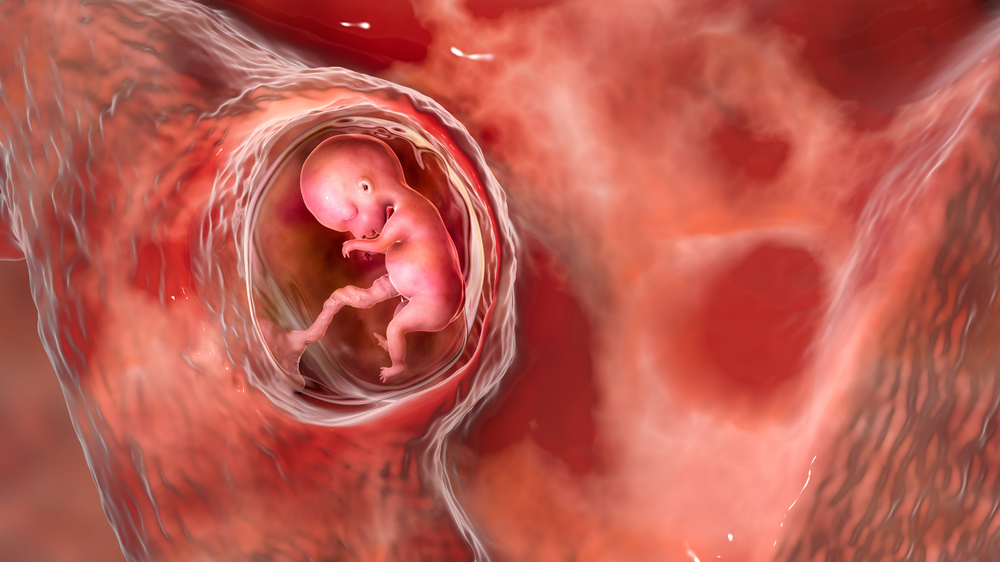
1. Why Do Organs Form Consistently?During the first three months of pregnancy, the baby's body focuses on developing vital organs such as the heart, brain, and spine. Between weeks 5 and 10, this development becomes faster. Later in pregnancy, especially after week 28, the baby will gain the most weight, usually about 150 to 200 grams each week. This explains why growth has seemed sudden over the last few months.
2. How Does Brain Development Contribute to Growth Patterns?
During the last phase of pregnancy, a baby’s brain develops rapidly. This entire process consumes significant energy, which can sometimes slow the baby’s physical growth for a moment. This balance ensures that brain development is not compromised by size alone.
How Does the Placenta Help with Growth Spurts?
The placenta contributes to supplying oxygen and nutrients to your foetus. However, placental efficiency changes throughout pregnancy.- In early pregnancy, nutrients support organ development.
- In the middle stage, growth may be inhibited slightly.
- In the final stage, nutrient transfer increases for weight gain.
Do Hormones Influence Your Baby’s Growth?
Yes. Foetal development relies on hormones such as insulin-like growth factor (IGF) and human placental lactogen (hPL). When these hormones increase, babies tend to grow quickly. Growth may be delayed when the levels become steady.Why Do Sonography Sometimes Show Irregular Growth?
You might be concerned if one scan shows rapid development while the next shows few changes. This doesn't always indicate a problem. Ultrasound measurements estimate size within a 10-15% range. Growth spurts can further clarify these differences. Doctors focus on general patterns instead of numbers.Is it Normal for a Baby to be Bigger or Smaller than What You Expect?
Yes. Not all babies are born the same size. The birth weight of a baby ranging between the 10th and 90th percentile is generally considered healthy. Growth spurts indicate that a baby may measure smaller or larger for a short time, then return to an anticipated range later. Your doctor might only show concern if growth consistently falls outside healthy limits.Can Your Lifestyle Influence Growth Spurts?
Your baby's growth responds to your overall well-being. Positive influences include:- Balanced nutrition
- Consumption of adequate amounts of iron and protein
- Good hydration
- Adequate sleep
- Stress management
How Can Growth Changes Impact Your Emotional Health?
Learning about a change in the growth of your baby might bring feelings of doubt, guilt, or worry. You may question your diet or daily habits. Keep in mind that growth spurts are natural processes. Leaning on your family, partner, or a doctor for support can keep your stress level low and bring peace of mind.When might it concern you?
Although a growth spurt is a natural process, some signs might indicate you need medical attention.- Growth doesn’t improve above the 10th percentile
- Growth is suddenly inhibited
- Your baby starts moving less
- Low amniotic fluid level
How Can You Support Healthy Growth Inside the Womb?
- Eat small portions frequently
- Eat food that contains protein and iron
- Take prenatal supplements as directed
- Quit drinking alcohol and smoking
- Go to all your prenatal visits
What to Do Next?
- Regularly monitor your baby's movement
- Maintain your ultrasound schedules
- Clear your doubts during doctor’s visits
- Keep yourself calm by practising calming methods
- Take your partner with you to appointments whenever possible
Why Knowing About Growth Spurts Can Make You Feel Confident?
You might feel less stressed once you understand that a baby’s growth inside the womb isn’t always steady. Focus on taking care of yourself. Don’t stress too much about the measurements. Trust what your body’s signals and your baby’s growth are indicating about a growth spurt.Babies grow in spurts inside the womb because their development happens in carefully planned phases. Brain growth, other organs, hormones, and placental function all contribute to the speed of growth. These fluctuations during pregnancy are normal and important for staying healthy. You can navigate pregnancy with greater peace of mind by staying informed, emotionally supported, and connected with your physician.
Whether you’re pregnant, a new mom, or navigating postpartum, you don’t have to do it alone. Join our support group to connect, share, and support one another.
FAQs on Why Babies Grow in Spurts Instead of a Straight Line Inside the Womb
- Do growth spurts make your baby move more?
Of course. During growth spurts, you may notice intense or increased movements as muscles and nerves develop. - Do growth spurts impact your body symptoms during pregnancy?
Sometimes. You may feel more hunger, fatigue, or abdominal stretching during rapid growth phases. - Can stress delay a baby’s growth spurt?
Temporary stress usually doesn't cause any damage, but continuous stress may disrupt placental blood flow. Stress management aids in healthy development.