In this article:
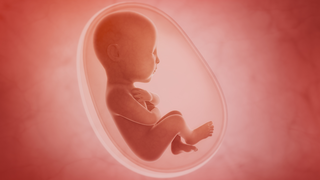
It may surprise you to know that your baby's skull is not completely solid during pregnancy. It is beneficial because skull flexibility is the natural way to protect the brain as it develops in the womb. You can better prepare for delivery after learning how flexible the skull is in protecting your baby.
What Does Skull Flexibility Mean in an Unborn Baby?
Your baby's skull is made up of several plates of bone instead of one solid one. These plates are connected by flexible tissues, also called sutures. They also have wider soft areas, called fontanelles, commonly called soft spots.
So, the skull remains flexible throughout pregnancy. It grows with the brain and adapts to the pressure inside the uterus.
Why Is the Baby's Skull Not Fully Hardened During Pregnancy?
A hard skull will limit growth and increase the risk of injury, but that is not the same as skull flexibility, as it offers layers of protection for your baby.
How Baby Skull Flexibility Supports Brain Growth
The brain grows the most in the last trimester of pregnancy and also reaches 70–75% of its adult size by birth. However, a rigid skull structure may restrict brain development, so the skull is naturally flexible.How Skull Flexibility Protects the Baby in the Womb
Your baby constantly moves, stretches, and changes position inside the womb. The uterus also tightens and relaxes throughout pregnancy.A flexible skull absorbs all the pressure and reduces the risk of injury. It acts as a natural shock absorber, protecting delicate brain tissue from sudden forces.
Does Skull Flexibility Help During Labour and Delivery?
Yes, skull flexibility is important during childbirth.
How Does the Skull Adapt During Delivery?
The baby has to pass through the narrow birth canal, which exerts pressure on the head. The skull bones overlap in a process called moulding for the following reasons:- Reduces the baby's head size
- Allows smoother passage through the birth canal
- Lowers the risk of injury to you and your baby
How Does Skull Flexibility Protect the Baby Before Birth?
Skull flexibility also protects in several other ways.1. Protection From Minor Impacts
Walking, sitting, or turning also creates motion in the womb. Flexible skull bones cushion these movements.
2. Adaptation to Uterine Shape
The space inside the womb becomes limited as your baby grows. A flexible skull allows your baby to adjust their head without pressure on the brain.
3. Temperature and Blood Flow Regulation
The soft tissues between skull bones facilitate better blood flow, supporting oxygen delivery to the brain during rapid growth phases.
Is Skull Flexibility Ever a Cause for Concern?
In most pregnancies, skull flexibility is completely healthy. However, certain conditions may affect skull development, so consult your doctor in such cases.- Abnormal skull shape in the scans
- Early closure of skull sutures (a rare condition)
- Reduced head growth for gestational age
How to Support Healthy Skull Development
Your lifestyle choices can positively impact your baby's growth during pregnancy.
1. Maintain Proper Nutrition
Your baby's growth depends most on your diet. They require calcium, vitamin D, phosphorus, and protein for their bone development.
2. Attend All Prenatal Check-Ups
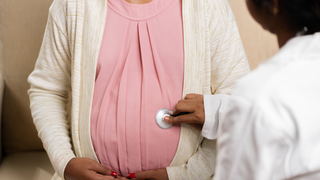
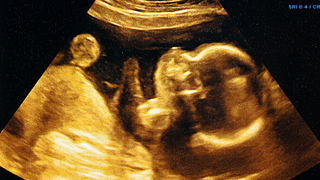
Your doctor can monitor your baby's head growth and skull structure through scans. They can help you early if problems arise.
3. Avoid Smoking and Alcohol
These habits can harm your baby's bone and brain development.
4. Manage Stress Levels
Your hormone balance and blood flow are affected by stress, so try to keep yourself relaxed to support brain development.
Emotional and Social Reassurance for Parents
It is common to feel anxious when you learn that your baby's skull is soft. You may feel reassured after knowing that is how it is supposed to be.Sharing this fact with your partner can reduce unnecessary worry and build confidence in caring for your baby after they are born. Emotional support during pregnancy positively impacts your journey.
When Should You Seek Medical Advice?
Contact your doctor if you notice any of the signs listed below.- Unusual head shape on ultrasound
- Concerns about fetal growth
- Reduced fetal movement
- Family history of skull or bone conditions
What Should You Do Next? A Practical Checklist
- Eat a nutrient-rich diet
- Keep all prenatal appointments
- Avoid harmful substances
- Ask your doctor about fetal growth reports
- Share concerns with your partner
- Practice relaxation daily
Skull flexibility is the natural way to protect your baby in the womb. It supports brain development, relieves pressure, and prepares your baby for an easier birth. As you learn more about this process, it can ease fear and build trust in your body, helping you approach your due date with confidence.
Whether you’re pregnant, a new mom, or navigating postpartum, you don’t have to do it alone. Join our support group to connect, share, and support one another.
FAQs on How Skull Flexibility Protects the Baby Inside the Womb?
- Can skull flexibility cause long-term head shape issues?
In most cases, the skull reshapes itself without any long-term effects after birth. - Is it safe to touch a newborn's soft spot?
Touching the spot is safe, as a strong membrane protects it. - Does skull flexibility differ in premature babies?
The skull's flexibility in premature babies is more noticeable, but it may require close monitoring by the doctor and typically resolves with growth.