Let's get to the point slowly and clearly.
In this article:
Why Does Food Make You Sick During Early Pregnancy?
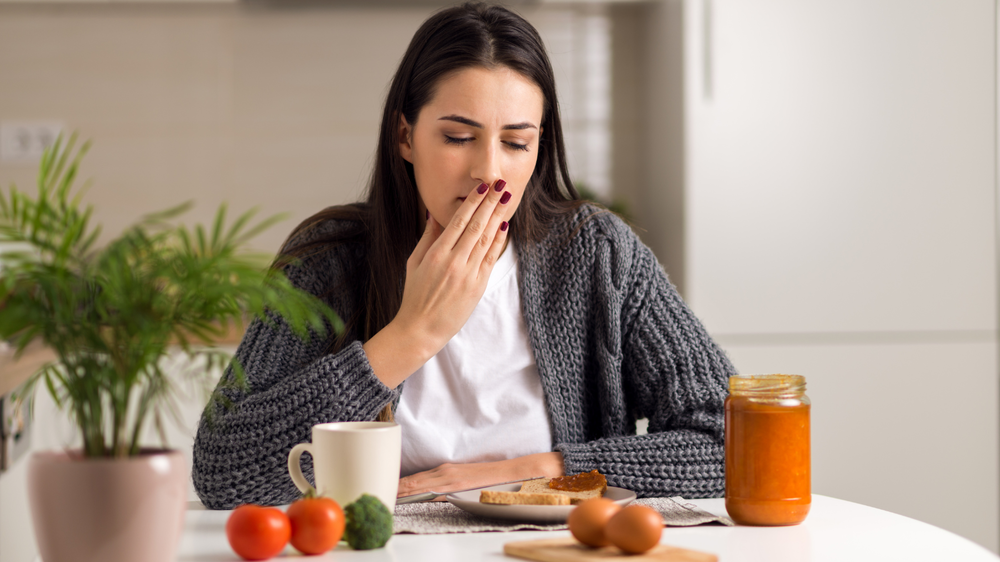
Food aversions usually start in the initial stage of pregnancy, around week 6 to 9. But what's the reason behind this?- When your hormonal level changes, rising levels of hCG and oestrogen can make you more sensitive to taste and smell
- Due to nausea and morning sickness, when certain foods start to make you uncomfortable, your body naturally starts rejecting them
- Some researchers believe food aversion is the body's way of rejecting foods which might be difficult to digest during early pregnancy
How Can Food Aversions Impact Your Baby’s Development Later?
Food aversions themselves aren't harmful. The main concern is when they lead to nutritional deficiencies, particularly in the first 12 weeks when your baby's organs are under development.1. Are You Taking in Fewer Calories Than Your Requirement?
You don't need too many calories in the first trimester. But if food aversions are extremely strong, making you eat too little, your baby may receive fewer nutrients necessary for growth.
Prolonged intake of low-calorie foods can contribute to intrauterine growth restriction (IUGR) later on.
2. Are You Missing Out on Significant Nutrients?
Some food aversions target nutrient-packed foods like:
- Dairy
- Eggs
- Meat
- Lentils
For instance:
- The growth of your tissues and muscles could be affected due to low protein consumption
- Low iron boosts the possibility of anaemia, leading to less oxygen supply to the baby
If your food aversions come with severe vomiting, it might cause:
- Nutrition deficiency
- Dehydration
- Weight loss during early pregnancy
What Are the Alarming Signs?
You should be aware of the signs, like:- Feeling extremely weak and dizzy
- Persistent vomiting
- Rapid weight loss
- Eating less than 2 to 3 small meals regularly
- Difficulty keeping liquids down
How to Handle Food Aversion without Compromising Nutrition?
Here are the practical steps to use regularly:1. Can You Eat the Same Nutrients in Different Forms?
If you're milk intolerant, try:
- Paneer
- Curd
- Fortified plant milk
- Beans
- Lentils
- Tofu
2. Are Small, Frequent Meals Good for You?
You may find that eating every 2 to 3 hours helps you maintain energy without triggering nausea.
3. Can You Choose Low-smell Foods?
Foods with intense smells can feel overwhelming. Try foods that are digestible and easy, such as:
- Idli
- Khichdi
- Toast with peanut butter
- Boiled veggies
- Plain parathas
Try staying hydrated with:
- Clear soups
- Coconut water
- Lemon water
- ORS, if recommended
5. Are Prenatal Supplements Helping?
Your doctor may prescribe:
- Iron
- Folic acid
- Calcium
- DHA
- Multivitamins
How is Food Aversion and Your Emotional Health Related?
Food aversions make you feel:- Guilty for not eating an adequate amount
- Frustrated
- Anxious about your baby's health
- Ask your family to lend a hand with making meals
- Talk openly with your partner about what you’re going through
- Remind yourself that these food issues won’t last forever; you can get through this
When Do You Need Medical Help?
Immediately consult your doctor if you:- Lose weight in the first trimester
- Feel dehydrated
- Can barely eat for more than 24 to 48 hours
- Vomit more than 3 to 4 times a day.
- Receive feedback about slow baby growth during scans
- Notice your baby isn’t moving as much in the last few months
How to Proceed Further?
- Monitor how much water you drink and what you eat daily
- Talk to your doctor about foods you can’t stand
- Grab small bites of nutrient-packed snacks
- Take supplements the way they’re prescribed
- Avoid strong-smelling foods that trigger nausea
- Keep an eye on your weight every couple of weeks
- Talk to your partner about how you’re feeling
FAQs on How Food Aversions in Early Pregnancy Can Cause Slow Baby Growth Later
- Do food aversions continue throughout the entire pregnancy?
Most food aversions ease by the second trimester, though some may continue for a prolonged time. If they interfere with your nutrition, discuss them with your doctor. - Are supplements enough to prevent slow baby growth?
Supplements are helpful, but they’re not as good as eating healthy food. Eating healthy meals and taking supplements works best for growth. - Are food cravings related to food aversions?
Both are influenced by pregnancy hormones, but they do not always happen together. You may have strong aversions without cravings, or vice versa