In this article:
Why Does the Role of Your Cervix Matter?
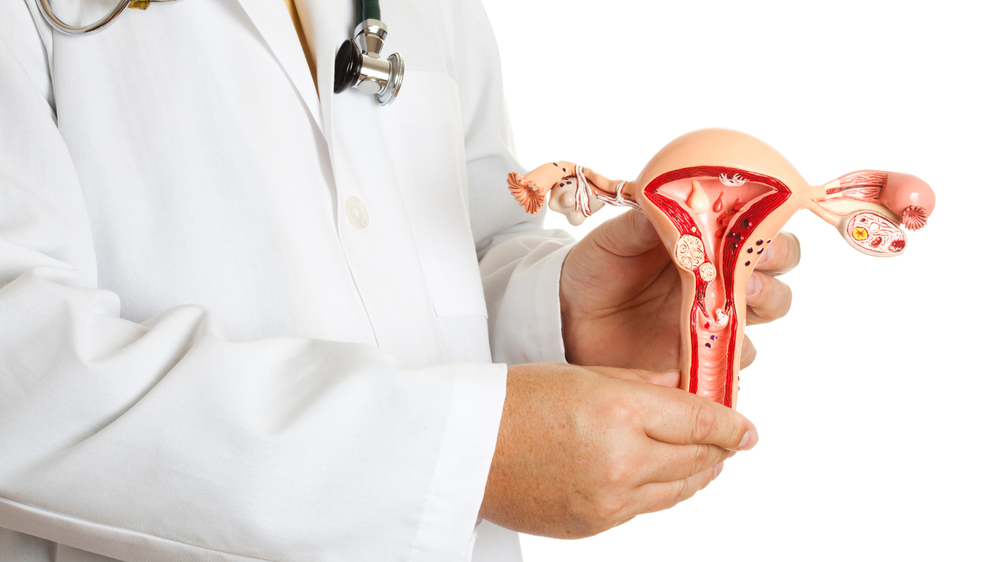
Your cervix acts like a bridge connecting your uterus to your vagina. It's a tiny organ, only about an inch long, but it is a very important part of your reproductive system.
Imagine it like a security guard for your womb. Anything going in or out has to go through it, whether it's sperm or your menstrual blood.
How Does the Cervical Mucus Act as a Natural Shield?
Your cervical mucus is one of the biggest ways through which your cervix protects you. It is a fluid that your body produces in varying amounts throughout your menstrual cycle.
How does mucus help block infections?
- Acting as a filter, mucus traps bacteria, fungi, and other harmful germs before they enter the uterus
- On most days of your cycle, the mucus is thick and sticky, making it harder for germs to pass through
- This mucus forms a thick plug during pregnancy that entirely seals the cervical opening
Many individuals don't realise that this mucus is one of the body's basic lines of defence against infections like yeast infections, bacterial vaginosis, and sexually transmitted infections.
What Is a Cervical Mucus Plug & How Does It Protect You?
If you're planning to conceive or are already pregnant, the mucus plug becomes even more important.
Why is this plug important?
- It acts as a seal to prevent bacteria from entering the uterus
- It helps combat uterus-related infections, which could affect both you and the baby
- It stays in place for most of the pregnancy and only comes out close to labour
How Do Hormones Fortify the Cervix's Defence System?
Hormones play a vital role in regulating how your cervix protects you.
- Oestrogen keeps your cervical mucus thinner when you're ovulating, which helps sperm get in there. But at other times, it thickens up to keep infection out.
- Progesterone thickens the mucus, helping form that plug during pregnancy.
- Relaxin softens your cervix as your body prepares for childbirth.
Can the Cervix Detect Harmful Microorganisms Before They Damage Your Health?
Definitely. Your cervix has immune cells that act like tiny security guards, spotting harmful germs and triggering your body's defence.
These immune cells can:
- Keep the strength of the mucus wall
- Combat harmful germs
- Produce substances that combat infection
- Prevent the infection from spreading to the uterus
What Lifestyle Habits Help Maintain Your Cervix Health?
How you live and the choices you make really affect how well your cervix does its job of protecting you.
What can you do about it?
- Maintain good intimate hygiene by gently rinsing the area with water. Don't use harsh soaps.
- Use protection during sexual activity, as condoms can reduce the possibility of sexually transmitted diseases.
- Don't douch. It upsets your cervix's defence system and gets rid of good bacteria.
- Get regular screening tests, like a Pap smear, to detect changes early.
- Eat healthy foods that contain vitamins A, C, and E, which are good for your cervix.
- Stay hydrated to help keep your body's mucus levels healthy.
Which Signs Could Be Alarming?
Infection can sometimes occur even with strong, natural protection. Staying alert about symptoms helps you act quickly.
Watch out for:
- Burning sensation, itching, or discomfort
- Bleeding between periods
- Pain during sexual activity
- Unusual discharge with odour
- Pelvic pain that won't go away
If you notice these signs, you must consult a doctor for proper diagnosis and treatment.
When Do Cervical Concerns Need Medical Attention?
Get medical help right away if you have encountered:
- Too much blood loss
- Foul-smelling discharge
- A high fever with pain in your pelvic area
- Intolerable lower abdominal cramps
- Sign of infection during pregnancy
What's Next?
Here's a simple list to help you support your cervical health:- Schedule regular gynaecologist visits
- Pay attention to any changes in your vaginal discharge
- Always use protection during sex to keep things safe
- Drink enough water and eat healthy meals
- Share any symptoms with your doctor
- Talk to someone when you're feeling lost or stressed out
Social & Emotional Things to Keep in Mind
Dealing with cervical problems can be stressful and make you worry about your health. Talking to your family or partner about what's on your mind can really help calm your nerves. Getting emotional support is as important as seeing a doctor for staying healthy.Keep in mind that you're not the only one dealing with this. Lots of individuals have cervical issues, and knowing about them early means you can handle them without much trouble.
Your cervix plays a significant role in protecting you from infections, often without your noticing. It creates protective mucus and a mucus plug when you're pregnant, which helps keep those harmful microorganisms away. By maintaining healthy habits, staying informed, and catching concerning signs early, you can care for your cervix and your overall reproductive health.
Whether you’re pregnant, a new mom, or navigating postpartum, you don’t have to do it alone. Join our support group to connect, share, and support one another.
FAQs on How the Cervix Helps Block Infections Naturally
- Can cervical infections affect fertility?
Yes. If you don't treat your infections, they might disrupt your ability to conceive by damaging the uterus or fallopian tubes. Getting treatment beforehand can help prevent things from worsening. - How often must a Pap smear test be performed?
It's every 3 years for most individuals. But get in touch with your doctor, as it could be something else, depending on your age and health. - Does cervical mucus always change when you conceive?
Yes. Usually, it thickens. That's because your body is making a mucus plug to guard your uterus during pregnancy.