Times Future of Maternity 2026 | India's Largest Maternity Ecosystem Gathering

How Long Can Sperm Survive in Week 2?

Week 2 of the menstrual cycle often includes ovulation and the fertile window. During this time, sperm survival plays a key role in conception. Understanding how long sperm can live, what supports their survival, and how timing affects pregnancy helps improve fertility awareness and informed cycle planning.

Pregatips.com
how long can sperm survive
Week 2 of the menstrual cycle marks the most fertile phase, as hormonal changes prepare the body for ovulation. While much attention focuses on the release of the egg, sperm play an equally vital role during this time.
Now the question arises- How long can sperm survive inside the body, and how does their lifespan influence the chances of conception? During week 2, the body creates conditions that help sperm stay alive, move efficiently, and wait for the egg to be released.

Therefore, understanding the survival of sperm during this fertile window helps you time intercourse accurately, reduce uncertainty, and approach fertility planning with ease. Let’s get an answer to the question- How long can sperm survive in week 2?


What Happens to Sperm After Intercourse?

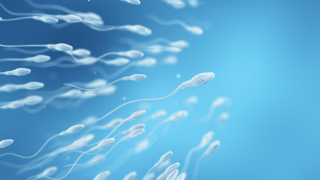
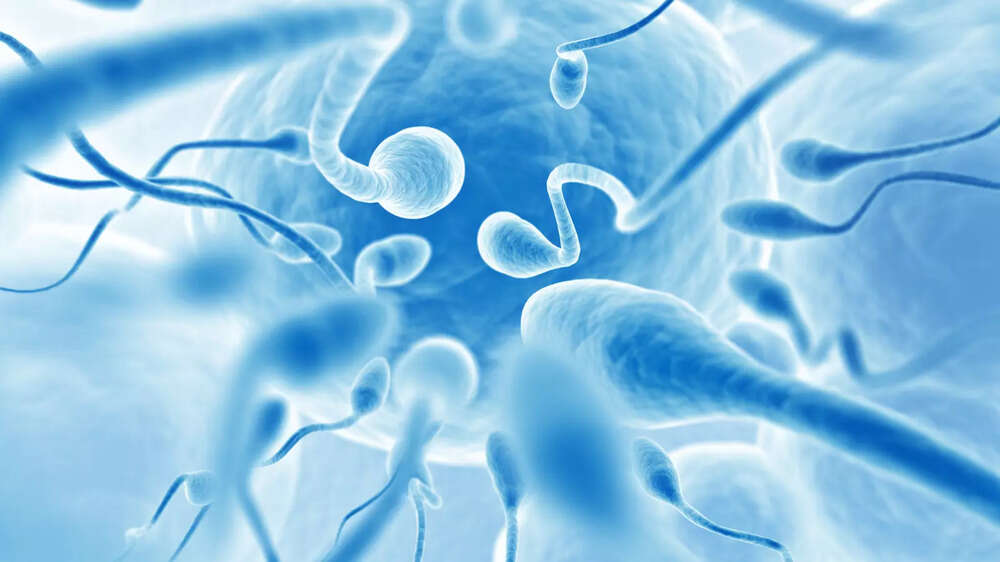
After intercourse, sperm begin a challenging journey through the female reproductive tract. Millions of sperm enter the vagina, but only a small number survive the acidic environment. The healthiest sperm move quickly through the cervix and into the uterus, guided by fertile cervical mucus. During week 2, this mucus becomes thin and slippery, helping sperm travel more easily and protecting them from damage.

Once sperm reach the uterus, they continue towards the fallopian tubes, where fertilisation can occur. Some sperm may reach the tubes within minutes, while others take several hours. Healthy sperm can survive for up to five days inside the body when conditions support them. Thus, the ability allows sperm to wait for the egg if ovulation has not yet happened. Their survival and movement depend on sperm quality, timing, and the supportive environment created during the fertile window.

How Long Can Sperm Survive in Week 2?

During week 2, hormonal changes create ideal conditions for sperm survival. The cervix produces fertile mucus that protects sperm from the acidic vaginal environment. The uterus and fallopian tubes also become more welcoming, allowing sperm to remain active while waiting for the egg.

In the right conditions, sperm can survive inside the female reproductive system for up to five days. Week 2 creates the most supportive environment because rising oestrogen levels increase the production of fertile cervical mucus. The mucus becomes slippery and nourishing, protecting sperm and helping them move smoothly through the cervix and uterus. With this support, sperm can wait in the fallopian tubes until the egg is released, ready for fertilisation.

Without fertile cervical mucus, sperm usually survive only a few hours. A dry or acidic environment limits their movement and shortens their lifespan. Timing matters because sperm can wait, but the egg cannot.

What are the Factors That Affect How Long Sperm Survive?

Several internal and external factors influence how long sperm remain alive after intercourse. These factors shape the environment sperm encounter and determine how effectively they travel, survive, and wait for the egg during the fertile window.

  • Cervical Mucus Quality
Fertile cervical mucus plays the most crucial role in sperm survival. During week 2, rising oestrogen increases the amount and quality of cervical mucus. This mucus becomes clear, stretchy, and slippery, protecting sperm from the acidic vaginal environment and providing nutrients that help them survive longer. Healthy cervical mucus also guides sperm toward the uterus and fallopian tubes, improving their chances of reaching the egg.

  • Timing of Intercourse
The timing of intercourse strongly affects sperm lifespan and fertilisation chances. Intercourse in the days leading up to ovulation allows sperm to enter the reproductive tract when conditions are favourable for survival. When intercourse happens too early or after ovulation, sperm may encounter less supportive conditions, which shortens their lifespan and reduces the chance of fertilisation.

  • Sperm Quality and Health
Sperm health directly affects how long sperm survive inside the body. Potent, well-formed sperm with good motility move more efficiently and withstand the reproductive environment for longer periods. Factors such as lifestyle habits, infections, and overall health influence sperm quality and can either extend or limit their survival time.

  • Hormonal Balance
Hormonal balance influences both cervical mucus production and the uterine environment. Stable oestrogen levels before ovulation help create conditions that support sperm survival. Hormonal imbalances may reduce mucus quality or alter the reproductive tract, making it harder for sperm to remain viable.

  • Vaginal Environment
The vaginal environment naturally remains acidic, which can limit sperm survival. Fertile cervical mucus helps neutralise this acidity during week 2. Without enough mucus, sperm face harsher conditions and survive for shorter periods, often only a few hours.

  • Lifestyle and Overall Health
Daily habits affect sperm survival in subtle but important ways. Smoking, excessive alcohol intake, poor nutrition, and high stress levels can reduce sperm quality and resilience. Maintaining a healthy lifestyle supports better sperm function and increases the likelihood that sperm survive long enough to fertilise the egg.

What to Do Next?

  • Track ovulation to identify fertile days
  • Plan the time of intercourse during the days before ovulation
  • Observe cervical mucus changes
  • Maintain a healthy lifestyle to support fertility
  • Seek medical advice if conception does not occur after several cycles
Sperm can survive for up to five days during week 2 when the body creates the right conditions. Fertile cervical mucus, hormonal balance, and timing all support sperm survival and increase the chance of pregnancy. When you know how sperm lifespan works, you can better understand your body’s natural fertility rhythm.

You’re not alone in your journey when trying to conceive. Join our supportive community to connect with others, share experiences, and find encouragement every step of the way.

FAQs on How Long Can Sperm Survive in Week 2


  1. Does sperm survival depend on the male partner’s health?
    Yes. Sperm quality, lifestyle, and overall health influence survival time.
  2. Can sperm survive longer than five days?
    No. Five days is the maximum under ideal conditions, and most sperm survive for a shorter time.
  3. Can stress affect sperm survival?
    Stress can disrupt hormonal balance and timing, which may, in turn, affect sperm survival and fertility.
How we reviewed this article
Our team continuously monitors the health and wellness space to create relevant content for you. Every article is reviewed by medical experts to ensure accuracy.
Times Future of Maternity 2026 | India's Largest Maternity Ecosystem Gathering