In this article:
Why Intimate Hygiene Matters More During Pregnancy
During pregnancy, your body goes through a lot of hormonal changes. Higher levels of oestrogen and progesterone naturally lead to more vaginal discharge. This increase is completely normal and actually serves a purpose by acting as a protective barrier that helps keep infections from reaching your uterus.
At the same time, these changes can make your vaginal area more sensitive. The shift in pH and extra moisture can make it easier for bacteria or yeast to grow, and it can also increase the chance of urinary tract infections. Maintaining good hygiene can help you stay comfortable, reduce irritation, and lower the risk of problems that could affect your well-being or your pregnancy.
How to Clean the Private Parts During Pregnancy
Keeping your intimate area clean during pregnancy is very important to prevent infections.
A few simple habits can make a big difference:
1. Gentle Daily Cleaning Routine
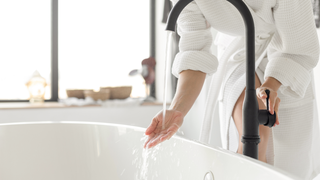
- Clean your external genital area once or twice a day using warm water. Avoid hot water as it can irritate your skin.
- Use a mild, unscented soap or a gentle intimate wash designed for sensitive skin.
- Avoid harsh soaps, strongly scented products, or regular body washes that can disturb your natural pH balance.
- After washing, pat the area dry thoroughly with a clean, soft towel to prevent moisture build-up.
- Do not over-wash as it can remove protective bacteria and cause irritation.
After using the toilet, always wipe from front to back. This simple step prevents bacteria from the anal area from reaching the vagina or urinary tract, reducing the chance of infections.
What to Avoid Completely
- Douching: Never douche during pregnancy. The vagina cleans itself naturally, and douching can disturb the healthy balance of microorganisms.
- Scented feminine hygiene products: Stay away from sprays, scented wipes, powders, or deodorants. These contain chemicals that irritate the skin and upset the vaginal environment.
- Tampons: Use pads instead of tampons if there is heavy discharge. Tampons carry a small risk of toxic shock syndrome.
- Wear loose, breathable cotton underwear to allow proper air circulation and reduce moisture build-up.
- Change your underwear daily, or more often if discharge is heavy.
- Avoid tight-fitting or synthetic fabrics as they trap dampness and encourage bacterial growth.
- Use unscented pantyliners or maternity liners to manage increased discharge and stay comfortable, but change them regularly.4. Caring for the Perineal Area
Tips to Stay Comfortable and Healthy During Pregnancy
These are some easy tips you can follow every day to stay fresh and comfortable during pregnancy:
- Stay hydrated: Drink plenty of water throughout the day to support overall health and prevent urinary infections.
- Pay attention to hygiene as your bump grows: When reaching your intimate area becomes harder, use a handheld showerhead, or a soft washcloth to gently clean yourself without straining.
- Be mindful of sensitivity: Hormonal changes can make your intimate area more sensitive, so use gentle, unscented products and avoid over-washing.
When to Seek Medical Help
Contact your doctor immediately if you notice:
- Unusual discharge: If your discharge turns green, yellow, brown, or becomes thick and cottage cheese-like, this could indicate an infection that needs medical attention
- Strong or unpleasant odour: A noticeable or foul smell that is different from your usual discharge can be a sign that bacteria or yeast are overgrowing.
- Persistent itching, burning, or redness: Continuous irritation that does not improve with regular hygiene can signal a vaginal infection or imbalance.
- Pain during urination: Any burning, stinging, or discomfort while urinating could indicate a urinary tract infection.
- Swelling or ongoing discomfort: If you experience swelling, soreness, or discomfort that does not go away with normal care, it is important to get checked to rule out infection or other issues.
Whether you’re pregnant, a new mom, or navigating postpartum, you don’t have to do it alone. Join our support group to connect, share, and support one another.
FAQs on How to Clean the Private Parts During Pregnancy
- Can I use a bidet or vaginal rinse during pregnancy?
Using a bidet for gentle cleaning is generally safe, but avoid strong sprays directly inside the vagina. Focus on external cleaning only, as the vagina naturally maintains its own balance. - Can exercise affect vaginal health during pregnancy?
Yes, sweating during exercise increases moisture in the vaginal area. Wearing breathable clothing and showering afterwards helps prevent irritation and bacterial growth.