In this article:
This is especially concerning in India, where, according to statistics, more than 50% of pregnant women suffer from anaemia, which results from iron deficiency. Besides this, there are several other minerals like calcium, vitamin D, iodine, and vitamin B12 deficiency that you may face during pregnancy.
But, with timely medical care and proper guidance from your doctor, mineral deficiencies can be easily managed and prevented.
Mineral Deficiency During Pregnancy Shouldn't be Ignored
The failure to treat mineral deficiencies may result in serious consequences, such as:
- An increased possibility of anaemia in pregnant women, causing exhaustion and other problems associated with childbirth
- There is an increased risk of delivering babies prematurely or with poorly developed internal organs and systems
- There is an increased possibility of getting high blood pressure during pregnancy due to the lack of calcium
- There will be a delayed growth of the brain and bodily functions of the baby because of the lack of iodine and vitamin B12.
Mineral Deficiencies Commonly Seen During Pregnancy
Knowing the common mineral deficiencies will help you understand what your body requires during pregnancy.
- Iron Deficiency: Iron depletion leads to anaemia during pregnancy, since iron is responsible for enabling blood to carry oxygen
- Calcium Deficiency: Calcium is another mineral that a majority of Indian women lack. Calcium deficiency is known to lead to weak bones and high blood pressure during pregnancy.
- Vitamin D Deficiency: It is predicted that over 70 per cent of the population in India suffers from vitamin D deficiency. During pregnancy, vitamin D helps maintain maternal bone health and supports fetal bone health and teeth development
- Iodine Deficiency: Iodine plays a critical role in the functioning of the thyroid glands and the proper brain function of the foetus.
- Zinc Deficiency: Zinc helps in the development of cells and improves the immune system during pregnancy.
Warning Signs of Mineral Deficiency in Pregnancy
Mineral deficiency tends to occur gradually and might be misinterpreted as part of regular pregnancy problems. Nevertheless, some warning signs cannot be overlooked.
Physical Symptoms
- Persistent tiredness despite getting enough rest might indicate an iron deficiency
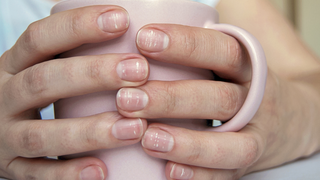
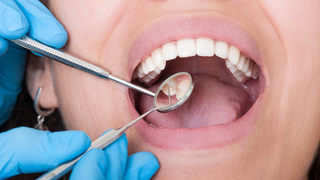
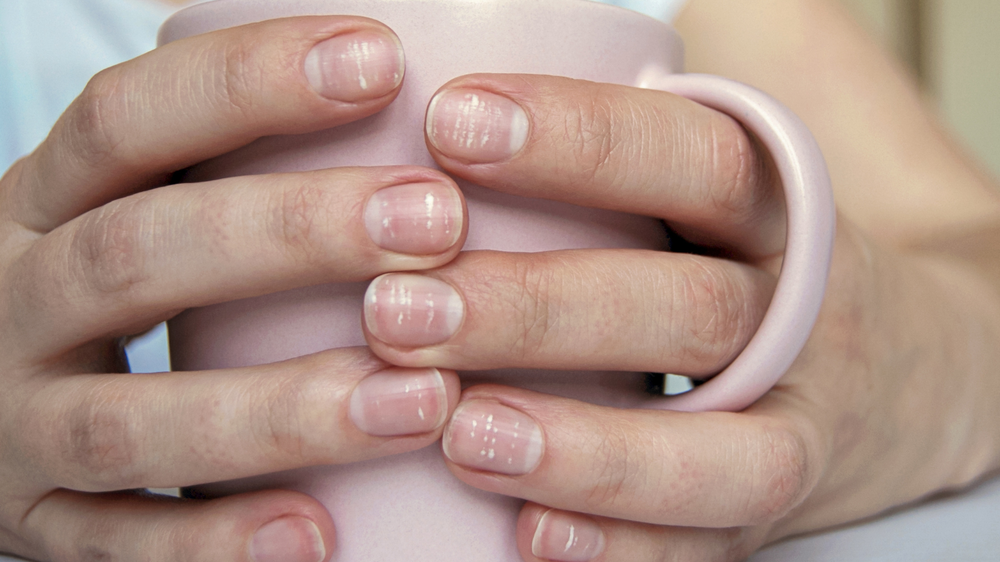
- The presence of paleness in the face, mouth, and nails may suggest anaemia
- Dizziness and headache may arise from iron and vitamin deficiencies
- Muscle pain and bone aches may indicate calcium and vitamin D deficiency
Signs Related to Nerves and Emotions
- Problems focusing or remembering things might be due to a vitamin B12 deficiency
- Numbness or tingling sensations in the limbs can point to deficiencies in nerves
- Emotional instability can result from a nutrient imbalance
Specific Symptoms During Pregnancy
- Breathing problems while performing light activities require further investigation
- Fluid retention accompanied by hypertension might be associated with calcium deficiencies
- Low fetal movement should be reported to the doctor immediately
Mineral Deficiency Causes During Pregnancy
Some of the common causes for mineral deficiency during pregnancy are as follows:
- The source of food is predominantly cereal, leading to a lack of varied nutrient consumption
- In the diet, there could be an inadequate supply of vitamin B12 and some types of iron
- Food sources (like whole grains and legumes) consumed may include excess phytates, making it hard for minerals to be absorbed
- Lack of knowledge regarding proper nutrition during pregnancy
Diagnosis and Medical Advice
Since mineral deficiencies will affect your well-being during pregnancy and your baby’s development, it is important to seek timely medical advice.
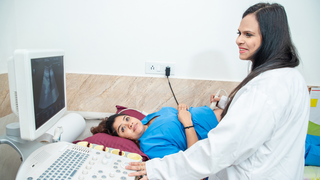
During your antenatal clinic visits, your doctor might suggest the following:
- Haemoglobin test to detect anaemia
- Serum ferritin to evaluate iron level
- Vitamin B12 and D test
- Calcium test
- Thyroid test whenever required
Managing Mineral Deficiencies in Pregnancy
Mineral deficiency can be easily managed through simple measures. These include the following:
Eat a Healthy and Nutritious Diet
Include:- Foods rich in iron, such as spinach, lentils, jaggery, and meat
- Sources of calcium, like milk, curd, paneer, and ragi
- Dairy products, cereals, and meat for vitamin B12
- Nuts, seeds, and whole grains that are rich in zinc
- Salt with iodine
- Foods rich in vitamin C, such as citrus fruits
Take Mineral Supplements as Recommended
Health professionals usually advise pregnant women to take:- Iron and folic acid tablets to avoid anaemia
- Calcium tablets are normally taken from the second trimester
- Vitamin D or B12 supplements in case of deficiency
Lifestyle Habits
Remember to follow some simple lifestyle tips, such as:- Drink plenty of water to stay hydrated and improve mineral absorption in the blood
- Take small, frequent meals
- Avoid taking excess tea or coffee
- Get enough sleep to help your body relax and repair
- Avoid processed foods and aerated drinks
- Visit your doctor regularly for your antenatal visits to keep track of your general health status and the foetal growth, and make appropriate adjustments to your nutrition plan
When to Visit Your Doctor
There are some situations when you should visit your doctor without delay:
- Experiencing extreme weakness or fainting episodes
- Fast heartbeat or breathing
- High blood pressure accompanied by swelling
- Decreased fetal activity
Mineral deficiency during pregnancy is a serious but easily manageable issue. If you have early symptoms, it is important to seek medical care immediately. Being aware of your body’s nutritional needs plays a crucial role in your well-being and your baby's growth and development.
The importance of knowing about mineral deficiencies and acting on time will help you make your pregnancy journey smooth without any worries.
Whether you’re pregnant, a new mom, or navigating postpartum, you don’t have to do it alone. Join our support group to connect, share, and support one another.
FAQs on Warning Signs of Mineral Deficiency in Pregnancy and How to Manage It
- Does mineral deficiency have any effect on breastfeeding post-delivery?
Yes, it can, because mineral deficiencies lead to poor-quality milk production and low energy in mothers. Proper nutritional intake and supplements assist in recovery and proper breastfeeding of babies. - When should I consider taking minerals during pregnancy?
The best practice is to consider taking minerals before you get pregnant. However, if you are already pregnant, then your focus should start from the beginning of the first trimester. - Does stress affect mineral absorption during pregnancy?
Yes, it does, because stress affects digestion and mineral absorption, thus making mineral deficiency worse. Stress management techniques like sleeping and eating properly help mineral absorption.