In this article:
Do Organs Come Out During C-Section Delivery?
You might have heard people say that doctors take your organs out during a C-section, and that sounds a bit scary, doesn’t it? But that’s actually not true. Your organs stay inside your body the whole time.Here’s what really happens during the surgery:
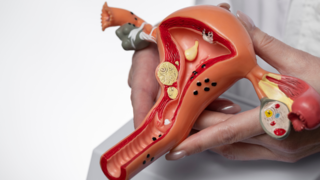
- Organs are moved aside, not removed: During the surgery, the doctor carefully moves your bladder and intestines to the side to get a clear view of your uterus. They don’t come out of your body or get placed anywhere else. They’re simply pushed aside for a short time so the doctor can see better and work safely.
- Uterus may be lifted briefly: Once your baby is born, the doctor might lift the top part of your uterus slightly outside your body to stitch it up properly. It’s a normal step in the procedure and only takes about 10 to 20 minutes. After that, your uterus goes right back where it belongs.
- Rare cases involving the intestines: In very rare situations, if the intestines are damaged during surgery, the doctor might need to temporarily remove them to repair them. This is not common and only happens if absolutely necessary.
Why Might You Need a C-Section Delivery?
A C-section is a surgical procedure where the baby is delivered through incisions made in your abdomen and uterus. It’s done when vaginal delivery isn’t safe or possible, either planned in advance or decided during labour.These are some common reasons why your doctor might suggest a C-section:
- Stalled labour: If your cervix isn’t dilating despite strong contractions for several hours, labour might not progress. In that case, a C-section helps deliver the baby safely instead of waiting too long.
- Baby in distress: Sometimes, changes in your baby’s heart rate or the presence of meconium (your baby’s first stool) in the amniotic fluid can signal distress. A C-section allows for a quicker delivery.
- Multiple babies: Carrying twins, triplets, or more can make vaginal birth risky. A C-section often makes it safer for you and your babies.
- Abnormal baby position: If your baby is breech (feet or buttocks first) or transverse (sideways), a C-section might be needed.
- Placenta issues: Conditions like placenta previa (placenta covering the cervix) or placental abruption (placenta separating from the uterus) often require a C-section.
- Prolapsed umbilical cord: If the umbilical cord slips through the cervix before the baby, it can be dangerous, necessitating a C-section.
- Maternal health conditions: Serious health issues like heart or brain conditions, active genital herpes, or other infections may make vaginal delivery risky.
- Mechanical obstruction: A large uterine fibroid, a displaced pelvic fracture, or a baby with an unusually large head (hydrocephalus) might block the birth canal.
- Previous C-section: If you’ve had one or two C-sections before, your doctor might recommend another. Though some people may try for a vaginal birth after a C-section (called TOLAC) if eligible.
How Is a C-Section Delivery Performed?
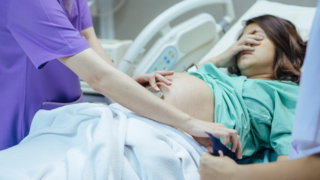
Take a look at the C-section procedure step by step:- Anaesthesia: Most C-sections are done using regional anaesthesia, like an epidural or spinal block. This numbs the lower half of your body, so you’ll be awake and aware but won’t feel any pain. You might just feel some tugging or pressure.
- Incision: The doctor cuts across your lower belly, just above the pubic area. This is usually a horizontal incision that heals neatly and is easy to hide under clothing. In rare cases, a vertical cut (called a classical incision) is made if more space is needed.
- Delivery: Once the incision is made, the doctor carefully moves your bladder and intestines aside to reach your uterus. Then your baby is gently lifted out through the opening, followed by the placenta. You might feel some pressure, but no pain because of the anaesthesia.
- Closing the incision: After your baby is born, the doctor stitches your uterus, the layers of tissue, and finally your skin in layers. The whole surgery usually takes about 25 to 30 minutes.
- Surgical drape: During the surgery, a large blue drape covers your lower body to keep the area sterile and to block your view of the operation.
Whether you’re pregnant, a new mom, or navigating postpartum, you don’t have to do it alone. Join our support group to connect, share, and support one another.
FAQs on Is It True That Organs Come Out In A C-Section Delivery?
- Can a C-section cause internal bleeding?
Yes, internal bleeding is a rare complication of a C-section. - How many days of bed rest is required after a C-section?
Strict bed rest is not usually required. Though full rest and reduced activity are recommended for the first 6 to 8 weeks.