In this article:
What Is PCOS, and Why Does It Matter During Pregnancy?
PCOS, or polycystic ovary syndrome, is a condition where hormones like insulin and androgens are higher than usual. Studies from Indian obstetric settings show that nearly 50–70% of pregnant people with PCOS experience higher-than-recommended weight gain, compared to those without PCOS. This matters because excessive gain may increase the risk of gestational diabetes, high blood pressure, and delivery complications.
Is Weight Gain Always a Problem in Pregnancy with PCOS?
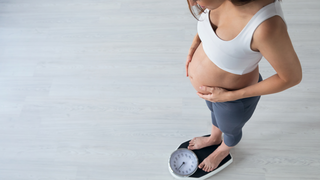
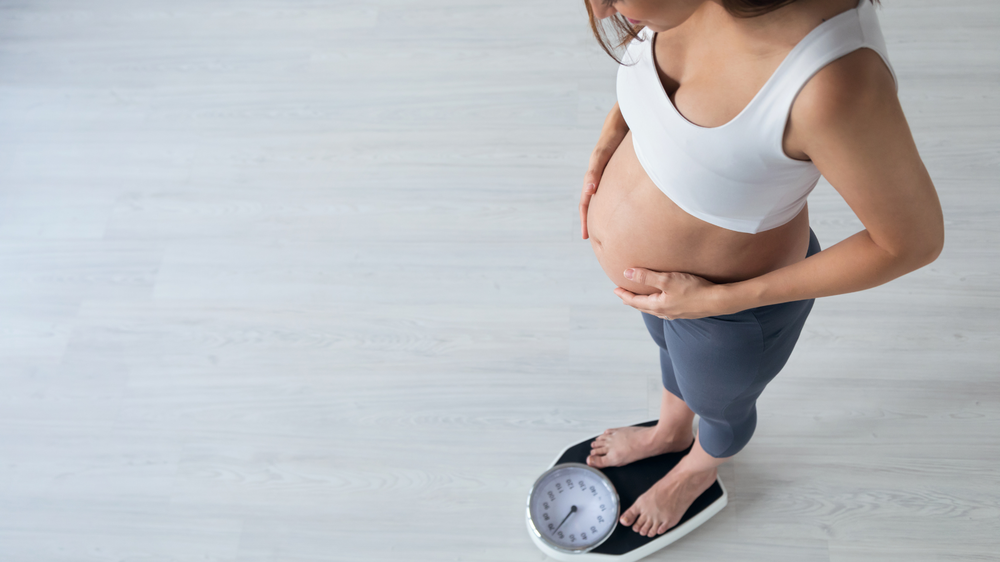
Weight gain in pregnancy is not the enemy. It is expected and necessary. The concern is not the weight itself, but how much and how fast it happens.
- In India, doctors often use Body Mass Index (BMI) before pregnancy to guide healthy ranges.
- If BMI is below 23, the recommended gain is around 11–16 kg
- If BMI is between 23 and 27.5, the recommended gain is 7–11 kg
- If BMI is above 27.5, the recommended gain is 5–9 kg
Why Does PCOS Cause More Weight Gain During Pregnancy?
Weight gain with PCOS is not your fault or a sign of poor discipline. It happens because of how your body works. Insulin resistance causes more fat to be stored, especially around the belly. Hormonal imbalances can make you feel hungrier and less full. Inflammation can cause fluid retention, and tiredness makes it harder to stay active, especially early and late in pregnancy.
Stress and worry about fertility, pregnancy safety, and body image can lead to comfort eating or trouble sleeping, which can also affect your metabolism.
What Symptoms Should You Watch Alongside Weight Gain?
Weight gain by itself is not usually a problem, but some signs should not be ignored. They could mean gestational diabetes or changes in blood pressure. Finding these early helps keep both you and your baby safe.
- Rapid gain of more than 1 kg per week in the second or third trimester
- Severe swelling of the face, hands, or ankles
- Extreme fatigue or breathlessness
- Darkening of skin around the neck or underarms
- Persistent thirst or frequent urination
How Can Nutrition Be Managed Without Fear or Restriction?
When you are pregnant with PCOS, food should help you feel nourished, not restricted. Focus on balanced meals instead of counting calories. Indian diets can work well with a few gentle adjustments:
- Choose whole grains like millets, brown rice, and whole wheat
- Include protein at every meal through dal, curd, paneer, eggs, or nuts
- Add seasonal vegetables and low-glycaemic fruits like guava, apple, and berries
- Avoid long gaps between meals to prevent insulin spikes
Is Exercise Safe, and What Kind Actually Helps?
Moving your body is safe and helpful unless your doctor says otherwise. You do not need to do hard workouts. Studies from Indian clinics show that 30 minutes of moderate activity, five days a week, can help control weight gain and blood sugar in PCOS pregnancies. Safe activities include:
- Brisk walking
- Prenatal yoga
- Gentle stretching
- Breathing exercises
How Does Sleep and Stress Affect Weight Gain with PCOS?
Poor sleep increases cortisol, a stress hormone that promotes fat storage. PCOS already elevates cortisol responses, making sleep quality crucial. Aim for 7–9 hours of sleep. Short naps are helpful. Mindfulness, guided breathing, and emotional check-ins with a partner or trusted person reduce anxiety-driven eating.
When Should You Contact a Doctor Without Delay?
Your doctor might suggest glucose tests, nutrition advice, or gentle medication. This is part of caring for you, not a sign of failure.
You should seek medical advice if:
- Weight gain is sudden and accompanied by swelling or headaches
- Blood sugar readings are consistently high
- There is reduced fetal movement
- Anxiety or low mood interferes with daily functioning
What to Do Next: A Gentle Checklist
- Book regular antenatal visits and growth scans
- Monitor weight trends, not daily numbers
- Eat balanced meals every 3–4 hours
- Move most days gently
- Prioritise sleep and emotional support
- Discuss concerns openly with the care team
Whether you’re pregnant, a new mom, or navigating postpartum, you don’t have to do it alone. Join our support group to connect, share, and support one another.
FAQs on Pregnancy with PCOS: Understanding Weight Changes, Health Risks, and Gentle Care
- Can weight gain from PCOS harm the baby during pregnancy?
Weight gain alone does not harm your baby. Problems only happen if conditions like gestational diabetes or high blood pressure are not managed. With regular checkups, balanced meals, and gentle activity, most people with PCOS have healthy babies and safe deliveries. - Is it safe to try losing weight during pregnancy with PCOS?
Trying to lose weight during pregnancy is not recommended. The goal is to slow down extra weight gain, not to lose weight. Eating balanced meals, staying active, and managing stress can help keep your weight steady and make sure you and your baby get the nourishment you need.