In this article:
Your Postpartum Scent Is Shaped by Powerful Shifts
For many mothers, this body odour is a potent mix of sweat, sourness, mustiness, or even metallic notes. These odours are linked to several overlapping postpartum processes and factors:- Hormonal withdrawal: A sharp drop in estrogen changes your skin’s pH and oil production, altering the natural scent of your body.
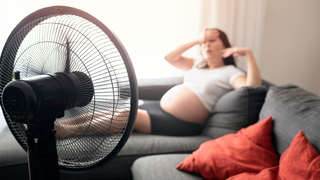
- Postpartum sweating: Your body sheds excess fluid retained during pregnancy, especially in the first 1–2 weeks, often via night sweats.
- Milk leaks and breast sweat: Moisture trapped under breasts, combined with milk residue, can foster bacterial buildup.
- Vaginal discharge and lochia: Post-birth bleeding and tissue discharge can sometimes have a distinct metallic or musky smell.
- Diet and hydration: Dehydration, high-sulphur foods (like onions and garlic), and postpartum supplements (especially iron) can affect sweat odour.
- Clothing choices: Synthetic fabrics trap sweat and bacteria, worsening body odour in humid climates or post-exercise.
- Stress and sleep deprivation: Both can amplify cortisol and sweat gland activity, changing your body’s scent and making odour more intense.
- Baby-bonding biology: Some experts believe the scent change helps babies identify their mother by smell, especially before vision is fully developed.
- Microbiome shifts: The balance of skin bacteria often changes postpartum, especially in warm, moist areas. More Corynebacterium or Staphylococcus species can make sweat smell more pungent.
Why It Matters And How It Affects You
Postpartum odour can impact more than just comfort. It can shape your physical, emotional, and social well-being.- Embarrassment or shame: Many women feel self-conscious, especially in intimate relationships or public settings.
- Hygiene hypervigilance: Excessive showering or product use may disrupt the skin barrier, worsening irritation and dryness.
- Breastfeeding discomfort: Night sweats and under-boob odour can make nursing feel sticky and unpleasant.
- Sleep disruption: Soaking through pyjamas or waking up due to heat and sweat affects sleep quality.
- Anxiety around social norms: Many mothers internalise cultural pressure to look and smell “normal” soon after birth, which can increase mental strain.
How Is It Evaluated or Monitored?
There’s no clinical test for postpartum body odour unless there’s a suspected infection. But here’s how doctors typically approach it:- Symptom-based discussion: If the odour is accompanied by a rash, fever, or unusual discharge, you may be examined for infection.
- Vaginal exam: If the smell is strong from the pelvic area, your doctor might assess for bacterial vaginosis or retained lochia.
- Thyroid and hormone tests: Rarely, persistent excessive sweating or odour changes may prompt tests for postpartum thyroiditis or hormonal imbalance.
Safe and Sensible Ways to Manage Postpartum Odour
You don’t need harsh scrubbing or multiple showers a day to feel clean. Instead, focus on gentle, evidence-based practices:- Switch to natural fibres: Cotton, bamboo, or modal fabrics reduce heat buildup and allow the skin to breathe, especially under the breasts and in the groin. It also helps to sleep on absorbent layers/bedding to soak up night sweats.
- Shower smart, not often: Use lukewarm water and mild, pH-balanced cleansers. Overwashing can strip protective oils. Focus on the underarms, underboob area, folds, and groin. Pat dry thoroughly.
- Use safe deodorants: Look for fragrance-free, aluminium-free options if your skin is irritated. Baking soda–based ones can be too harsh for sensitive skin.
- Stay hydrated: Flushes toxins and supports normal thermoregulation. Aim for at least 2–3 litres of water daily unless otherwise advised.
- Support milk hygiene: Change nursing pads frequently. Let breasts air-dry after feeds if possible. Use clean cotton bras.
- Adjust your diet mindfully: While odour-producing foods like garlic or fish aren’t harmful, you might reduce them temporarily if they seem to affect your scent.
Emotional and Cultural Support
Postpartum sweating or scent changes are sometimes seen as signs the body is “purging” or “releasing heat.” While the language might differ, the core reality is consistent: your body is adjusting.Still, odour changes can make you feel unattractive or ashamed. It’s common to avoid intimacy or hide discomfort from people around you. Here’s what helps:
- Talk about it: Speak to other mothers or support groups about what’s normal and what’s not.
- Reframe it: Your body is working hard to reset and regulate. Odour is often a sign of active recovery.
- Create small rituals: A calming post-feed wipe-down, switching to loose clothing, or using a naturally scented body mist can help you feel refreshed.
FAQs on Postpartum Body Odour
- Is postpartum body odour permanent?
No. Most body odour changes are temporary and settle within a few weeks to months as hormone levels stabilise and your body finishes shedding excess fluids. - Can body odour signal a medical problem?
It can. If it’s foul, fishy, or comes with fever, discharge, or pain, it could point to infection and needs medical attention. - Do breastfeeding mothers sweat more?
Yes. Breastfeeding raises core temperature and activates hormones like oxytocin and prolactin, which may increase sweating, especially around the breasts and upper body.