In this article:
What Do Oestrogen & Progesterone Do When You’re Expecting?
Each hormone has its own job, but they’re related:
- Progesterone helps keep the pregnancy going. It stops your uterus from contracting too soon, helps the placenta grow, and strengthens the lining of your uterus so your baby is safe and sound as it grows.
- Oestrogen helps your baby’s organs grow, assists the growth of your womb, and makes sure the placenta gets enough blood. It also gets your breasts ready for breastfeeding.
How Do These Hormones Keep Each Other In Check?
Consider progesterone as the "calmer" and oestrogen as the "stimulator".
- Progesterone relaxes your uterus to prevent early contractions
- Oestrogen helps blood vessels and tissues grow
Maintaining the right balance allows for the stable growth of your baby's organs, brain, and bones, while also maintaining your mental and physical health.
What Happens If the Balance Shifts Too Much?
Even a mild hormonal imbalance can mess with how comfortable you are during pregnancy and even how your baby grows. Here's the scenario:
1. Low Levels of Progesterone
If your body doesn’t make enough progesterone, you could have:- Cramping in the primary stage of pregnancy
- Mild bleeding or spotting
- Difficulty maintaining pregnancy
- Tiredness or anxiety
2. High Levels of Oestrogen
When oestrogen levels rise, like they do when you’re in the third trimester, you might experience:- Sensitivity in breasts
- Mood swings for no apparent reason
- Headaches
- Bloating or nausea
How Do These Hormones Aid in Your Baby’s Development?
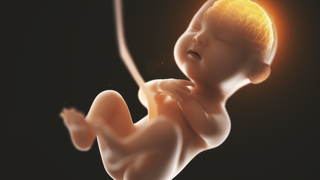
Your baby's growth majorly depends on the efficient mechanism of oestrogen and progesterone:
- Oestrogen helps develop your baby's lungs, liver, and brain
- Progesterone promotes placental development that supplies oxygen and nutrients to your foetus
- Both hormones dilate your blood vessels, ensuring your baby has an adequate supply of oxygen
- A good oestrogen level is important for your muscles and bones to be in good shape
What Factors Can Mess with Your Hormones During Pregnancy?
Multiple factors affect the harmony between oestrogen and progesterone:
- High stress increases cortisol, which can mess with progesterone levels
- Low intake of healthy proteins and fats can impact hormone synthesis
- Your body repairs and regulates hormones during rest
- PCOS or thyroid disorder may disrupt hormone balance
What Can You Do to Support Healthy Hormone Levels?
You can take simple, practical steps to help your body maintain its hormonal balance:
- Include foods rich in magnesium, vitamin B6, and omega-3 fats like seeds, nuts, and fish
- Stay active by practising walking or prenatal yoga to improve blood circulation and regulate hormones
- Try to maintain 7 to 9 hours of sleep every night
- Try some breathing methods, gentle meditation, or just chat with people you’re close to
- Avoid caffeine and processed foods, as they can disrupt your hormone function
What are the Warning Signs?
- Emotional vulnerability out of nowhere
- Headache or inflammation that’s not normal
- Unusual spotting or blood loss
- Extreme exhaustion
- Prolonged nausea beyond the first trimester
When to See a Doctor?
Give your doctor a call if you’re dealing with:
- Blurry vision or feeling dizzy
- Vomiting or nausea that doesn’t go away
- Intolerable pain or cramping in the abdomen
- Unusual movement of your foetus
What’s Next?
- Take adequate rest and keep yourself hydrated.
- Practice healthy eating.
- Monitor your weekly progress in both physical and emotional health.
- Go to all your doctor visits.
- Directly communicate with your doctor about any unusual symptoms you experience.
Social & Emotional Considerations
Hormonal changes can mess with your emotions as much as they do with your physical health. Feeling unusually sensitive, anxious, or easily overwhelmed is absolutely fine. Always share your feelings with your partner or loved ones, as their support can have a profoundly positive impact. Taking time for little moments, such as a walk or listening to music, helps regulate your emotional health, which also benefits your baby.
Oestrogen and progesterone are more than just pregnancy hormones; they're the foundation of your baby's healthy development and your own physical balance. When they work together in harmony, your baby grows strong, and you feel more in control throughout your pregnancy. Taking care of yourself through good habits, watching for any concerning signs, and consulting your doctor when needed will help keep you and your baby healthy.
Whether you’re pregnant, a new mom, or navigating postpartum, you don’t have to do it alone. Join our support group to connect, share, and support one another.
FAQs on The Balance Between Progesterone and Oestrogen for Baby’s Development
- Can miscarriage happen due to low progesterone?
Low progesterone can make it hard sometimes for the uterus to support early pregnancy, which increases the risk of miscarriage. However, with supplements and prompt care, most cases can be managed safely. - Is it normal for oestrogen levels to keep rising throughout conception?
Yes, with the progress of your pregnancy, Oestrogen levels naturally surge to support your baby's growth and prepare your body for childbirth. - How to balance hormones naturally while getting pregnant?
Ensure you get adequate rest, eat a balanced diet, engage in gentle activities, and manage your stress levels effectively. Discuss with your healthcare provider about any supplements or lifestyle changes you may want to consider.