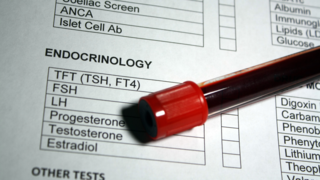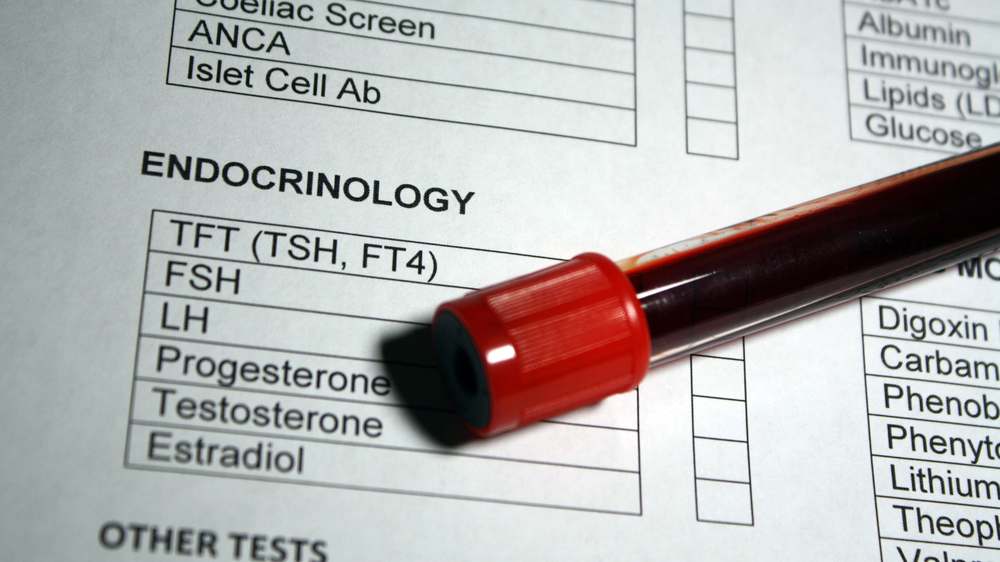
When you find out that you’re pregnant, you probably think about the growing foetus. But at the same time, your body already starts working for a healthy pregnancy, all thanks to progesterone. This hormone supports your pregnancy behind the scenes, keeping things balanced throughout the entire journey.
In this article:
What Is Progesterone & Where Does It Come From?
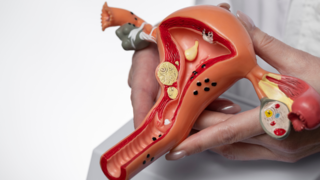
Every month, your body naturally synthesises progesterone after ovulation. Before you get pregnant, progesterone helps get your uterus ready for a baby. The corpus luteum (the small structure in your ovary, formed after ovulation) starts releasing high amounts of progesterone once you conceive.In the early weeks, roughly until 10 to 12 weeks, this tiny structure continues to synthesise progesterone. After that, the placenta takes over and continues the job till the end of your pregnancy.
Why Is Progesterone So Important in Pregnancy?
Consider progesterone as the guardian of your pregnancy. With a lack of progesterone, your uterus wouldn't be able to support your growing baby. Right after you get pregnant, progesterone focuses on:- Making your uterine lining thicker helps implant the fertilised egg safely.
- Stopping uterine contractions that might cause miscarriage early on.
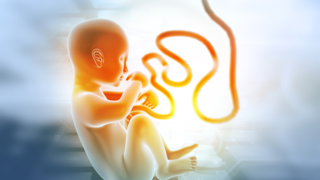
- Helps the placenta develop early, ensuring your baby receives all the necessary nutrients.
- Keeps your immune system in check, so your body doesn’t reject the embryo (since it's technically a foreign tissue).
How Does Progesterone Affect Your Physical & Mental Health?
You might already feel the effects of progesterone before you even realise it. The same hormone that supports your baby's growth also causes some of the common pregnancy symptoms you experience:- Progesterone loosens your muscles and slows your metabolism slightly, which can cause you to feel low in energy or fatigued.
- The hormone messes with brain chemicals like serotonin, which can make you feel extremely emotional.
- Progesterone prepares your breast tissues for milk production, which can cause them to become sore or sensitive.
- It slows down digestion, allowing for the absorption of more nutrients, but can sometimes cause bloating or gas.
Can Low Progesterone Levels Cause Problems When You Try to Conceive?
Yes, low progesterone can be a pain for some individuals. If your body doesn’t make enough, it can cause:- Spotting or blood loss early on
- Cramps or soreness in the lower abdomen
- Trouble maintaining pregnancy can lead to a miscarriage early on
Does Progesterone Affect Your Mood & Mental Health?
Undoubtedly, but this part often gets ignored. While progesterone helps you stay relaxed by working on certain receptors, sudden hormonal fluctuations can also lead to mood swings. Here’s how you feel:- More emotional or vulnerable than usual
- Difficulty concentrating
- Anxiety or low mood in the first trimester
What Lifestyle Habits Support Healthy Progesterone Levels?
While it’s not possible to regulate your hormones completely, some regular habits can help your body make and balance progesterone by itself.- Keep control of your stress by practising deep breathing and prenatal yoga. High stress can increase cortisol, which can mess with progesterone synthesis.
- Eat wholesome meals that provide magnesium, zinc, and Vitamin B6, like nuts, seeds, leafy vegetables, and bananas.
- Get adequate sleep to promote hormonal balance.
- Stay active & hydrated to promote hormonal flow.
What Is the Relationship Between Conception & Progesterone?
Progesterone tends to rise in pregnancy:- In the first few months, it remains between 10 to 44 ng/mL
- It ranges from 90 ng/mL in the middle phase
- In the last few months, it can reach up to 200 ng/mL
What Should Be the Next Action?
- During pregnancy, don’t miss any follow-up visits.
- Monitor any abnormal symptoms like dizziness or spotting.
- Consume foods that support hormonal balance and stay nourished.
- Ensure you get adequate rest and prioritise your mental well-being to help maintain healthy hormone function.
- Let your doctor know if you've had difficulty conceiving or miscarriages in the past.
Emotional & Social Aspect
Feeling emotionally vulnerable or easily exhausted is absolutely normal in early pregnancy. Hormones like progesterone can mess with your emotions, making small things feel overwhelming. Direct communication with your partner or close ones about what you're going through can make a significant difference. Pregnancy is a transformative journey, both in body and mind. Seeking support or taking a break doesn’t indicate weakness; it’s a smart move to stay safe.Progesterone silently works behind the scenes to keep your pregnancy going from day one. It keeps your uterus stable, helps your foetus grow, and impacts how you feel both physically and mentally. Knowing how it works and spotting problems early helps you care for yourself and your baby.
Your body is doing an incredible job. Trust it, nourish it, and don't hesitate to seek medical help if something bothers you.
Whether you’re pregnant, a new mom, or navigating postpartum, you don’t have to do it alone. Join our support group to connect, share, and support one another.
FAQs on What Progesterone Really Does After You Conceive
- Are miscarriage and low progesterone levels related?
Having low progesterone could make you more likely to face an early miscarriage because your womb might not be able to support your baby’s growth. Nevertheless, immediate medical attention helps maintain pregnancy. - Are progesterone supplements safe during pregnancy?
Yes. If your doctor advises so. Progesterone supplements are generally used in early pregnancy to prevent miscarriage in individuals with low hormone levels or IVF pregnancies. - Does progesterone cause you to gain weight?
Progesterone can cause weight gain due to fluid retention and increased appetite. This is absolutely fine and part of your body's preparation for supporting your growing foetus.