In this article:
Yet inside the body, something extraordinary is happening. The embryo’s cells divide quickly and begin to organise into layers that will later form organs and tissues.
At this stage, nutrition plays a silent but powerful role.
The food you eat provides the raw materials for cell growth, DNA formation, and hormonal balance. You may wonder, does diet really matter this early?
The answer is yes. Week 3 sets the foundation for a healthy pregnancy, and the right foods can support this delicate process.
Let’s discuss the top food options to consider in week 3 to support early embryo development.
What Happens in Week 3 of Pregnancy?
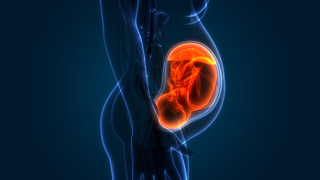
In week 3 of pregnancy, the fertilised egg has already settled into the uterus and begins an intense phase of growth. The embryo remains extremely small, smaller than a grain of sand, but its cells divide rapidly every day. These new cells organise themselves into three early layers that will later form all parts of the body. One layer develops into the brain, nerves, and skin, another forms the heart, muscles, and bones, and the third becomes the digestive and respiratory systems. Although nothing is visible from the outside, this week quietly sets the foundation for all future development.
During this same period, the embryo begins to establish its basic body plan. A structure called the primitive streak forms and guides cell movement and settlement into the correct positions. Some cells also begin to specialise, taking on specific roles that will later become organs. The embryo grows mainly by increasing the number of cells rather than size, and that’s why proper nutrition and a healthy internal environment are so important at this stage.
Key Nutrients Needed in 3 Weeks Pregnant
Before choosing foods, it helps to understand what nutrients matter most at this stage:
- Protein for building new cells
- Folic acid for DNA formation and neural development
- Iron for oxygen supply to growing cells
- Calcium for early tissue formation
- Healthy fats for cell membranes and brain development
- Vitamins B, C, and D for overall cell function
3 weeks pregnancy Diet: What to Eat for Embryo Development
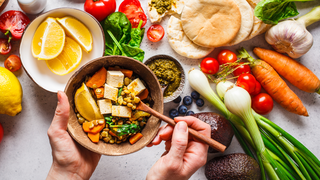
During week 3, the embryo grows rapidly through continuous cell division. The body needs a steady supply of nutrients to support this delicate process. Choosing the right foods at this stage helps create a strong foundation for early development, even before pregnancy symptoms appear.Protein-Rich Foods for Cell Growth
Tip: Try to include at least one protein source in every main meal.
Folic Acid–Rich Foods for Early Development
Tip: Add at least one leafy vegetable or citrus fruit to your daily meals.
Iron-Rich Foods to Support Oxygen Supply
Tip: Pair iron-rich foods with vitamin C-rich foods like lemon, amla, or oranges to improve absorption.
Healthy Fats for Cell Formation
Tip: Use natural oils and avoid fried snacks during early pregnancy.
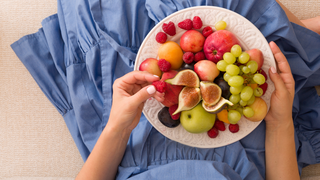
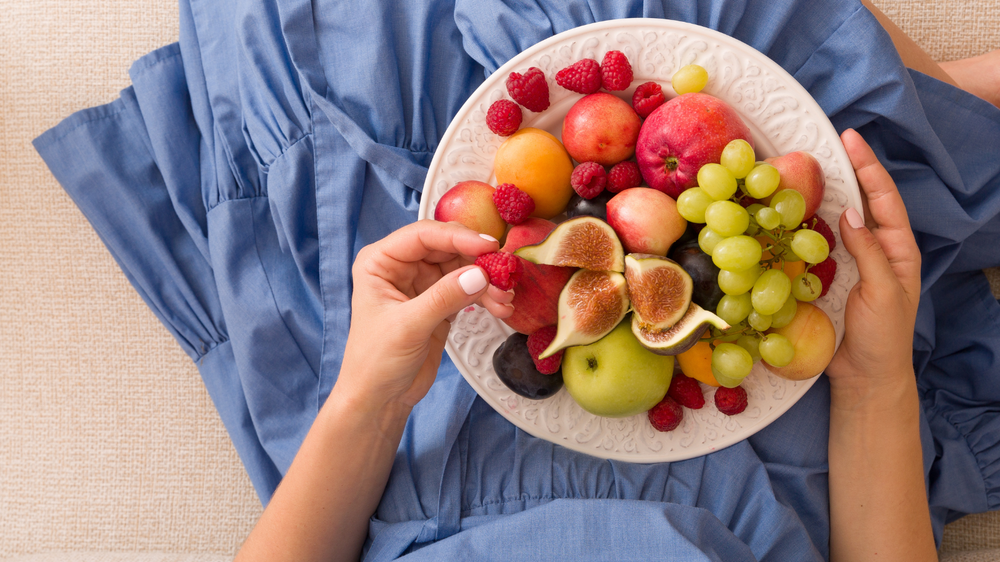
Fruits and Vegetables for Vitamins and Fibre
Tip: Aim to include at least two fruits and two vegetables daily for balanced nutrition.
Note: Patients should consult a qualified doctor, gynaecologist, or registered dietitian before making any significant dietary changes, starting supplements, or following pregnancy-related nutrition advice.
Foods to Avoid in Week 3 of Pregnancy
Here is a list of the food and lifestyle habits to avoid during early development.- Alcohol in any form
- Smoking or tobacco products
- Excess caffeine (limit tea/coffee)
- Raw or undercooked foods
- Packaged, ultra-processed foods
Week 3 may feel early, but it carries immense importance. During this time, the embryo grows rapidly and forms the foundation for future development. A balanced diet rich in protein, folic acid, iron, healthy fats, fruits, and vegetables can strongly support this process. Simple, home-cooked meals provide everything your body needs.