In this article:
When does a Baby Start Hearing?
- Around week 16, the tiny parts of the inner ear begin forming small pieces that come together bit by bit.
- By around week 24, your baby may already respond to certain sounds, sometimes a flutter, a tiny shift, maybe nothing at all.
- Weeks 28–30 feel like a turning point. Sounds become a little clearer to them, still muffled, but more organised.
- In the last stage of pregnancy, your baby starts recognising voices, tones, and familiar sound patterns.
- By the final months, your baby can hear, not sharply, but enough to sense rhythm and beats.
How does Sound Travel Through Your Body to the Womb?
This surprises a lot of people. Music doesn't need a direct channel; it finds its own natural path.- First, you hear it normally.
- Some of the vibrations travel through your body without you noticing.
- A part of those sound waves moves through your belly's muscles and soft tissue.
- The amniotic fluid carries these vibrations extremely well.
- Those ripples reach your baby's developing ears.
To your baby, music feels thick, deep, and soft like a warm hum underwater. They don't catch the words, but they "feel" the rhythm.
How do Babies React to Rhythm More Than Words?
Inside the womb, words don't matter much. Rhythm does. They sense things like:- A strong beat
- Repeated patterns
- Sudden changes in pace
- Deep vibrations
- Upbeat music might make them suddenly kick or move.
- Slow tunes can help them settle.
- Repetitive sounds (such as humming or drumming) catch their attention.
Does Music Stimulate the Baby's Developing Brain?
Music isn't just movement; it stimulates their growing brain. Rhythms help early communication between the ear and the brain. Patterns help them organise sound, even when everything is muffled. Gentle music may support early emotional awareness. Repetition helps build tiny memory pathways. These responses help your baby later when recognising voices and learning language.Does Your Baby Recognise Your Voice in Music?
Your voice travels differently through your body. It doesn't need to be loud. Over time, your voice becomes:- The safest sound
- The most familiar tone
- The one they instinctively turn toward after birth
Why Does Some Music Calm the Baby?
Inside the womb, your baby already hears your body's natural sounds, your heartbeat, breathing, and the whoosh of blood.So when you play slow or soothing music, it blends into these familiar noises.
It often feels warm and safe, which is why babies tend to quiet down during gentle songs. Soft music may:
- Reduce their movements
- Help them relax
- Support a calm pattern inside the womb
If your baby becomes still during peaceful music, it usually shows their nervous system slowing into a calmer state.
How Does Music Make the Baby More Active?
When a fast or upbeat song starts playing, your baby may move around more, which is totally normal. Stronger vibrations from lively music travel through your body and reach your baby. Quick rhythms can feel like a burst of energy to them. If the beat changes suddenly, they might react with a small kick or roll.Just like you become more alert with loud or fast music, your baby reacts too.
It's only important to avoid very loud music for long periods, mostly because it may overwhelm you.
How does Music Help With Bonding Before Birth?
When you listen to certain songs often, your baby becomes familiar with them. Those repeated sounds start to feel like part of their little world, almost like a safe corner they recognise.After birth, babies often calm down faster when they hear those same songs. It helps during:
- Bedtime
- Feeding
- quiet bonding time
- moments when they feel unsettled
Do Babies Even "Dance" to the Rhythm?
Those tiny kicks, rolls, or little bursts of movement sometimes match the rhythm of the song you're listening to.It's not actual dancing, but:
- Their muscles react to vibrations
- Their brain notices the rhythm
- Their body responds naturally
These movements usually show that their nervous system is active and developing well.
How Can You Safely Share Music With Your Baby?
You don't need special gadgets to let your baby enjoy music. Every day listening is enough.- Keep the volume comfortable
- Choose calming music when you want a quiet moment
- Hum or sing if you feel like it; your baby hears you clearly
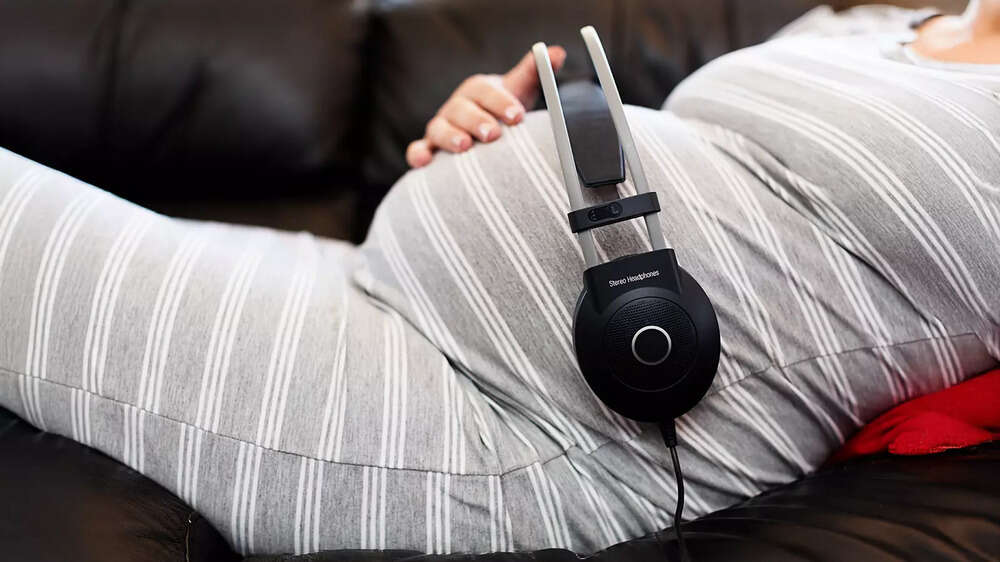
- Avoid placing speakers directly on your belly
- Let music be a natural part of your day
Whether you’re pregnant, a new mom, or navigating postpartum, you don’t have to do it alone. Join our support group to connect, share, and support one another.
FAQs about Why Babies React To Music And Rhythms You Listen To
- Can loud music harm the baby in the womb?
Normal music around the house is usually fine. Just try to avoid very loud volumes or heavy bass for long stretches, as it can overstimulate you and, in turn, your baby. - Will my baby remember the music after birth?
Surprisingly, many babies do respond to songs they heard often during pregnancy. Familiar tunes can sometimes calm them because they recognise the rhythm. - Do I need special belly headphones?
Not really. Music playing in the room reaches your baby naturally. Extra gadgets aren't necessary unless you want to use them.