In this article:
What the Transition Phase Really Is
The transition phase is the final stage of cervical dilation, usually between 8 and 10 centimetres, right before pushing begins. It’s the shortest but most intense period of labour. Contractions peak in strength and come every two to three minutes.During this stage, your body experiences a powerful adrenaline and catecholamine surge. These are stress hormones that boost energy, sharpen focus, and prepare you for delivery. It’s the body’s way of ensuring you have the stamina to push.
However, these same hormones can trigger physical side effects like:
- Shaking and trembling (especially in arms, legs, or jaw)
- Nausea or vomiting
- Chills or hot flashes
- Sudden emotional overwhelm
- Crying, irritability, or panic
- Feeling out of control or disconnected from the surroundings
The Science Behind the Adrenaline Surge
Labour is primarily driven by oxytocin, the hormone responsible for contractions and emotional bonding. But as you near full dilation, oxytocin interacts with the sympathetic nervous system, triggering the release of adrenaline (epinephrine) and noradrenaline.Here’s how the process unfolds:
- Adrenaline peaks when the body senses completion. As the cervix nears full dilation, the brain prepares for the physical effort of pushing by raising heart rate and blood pressure.
- Circulatory shifts occur. Blood is redirected from peripheral areas (like hands and feet) toward major muscles, which can cause visible trembling or chills.
- Digestive slowdown leads to nausea or vomiting. Stress hormones temporarily shut down digestion, which explains why vomiting often happens spontaneously during or after a strong contraction.
- Thermoregulation fluctuates. Rapid hormonal changes can make you feel alternately hot and cold.
- Endorphins counterbalance adrenaline. Once pushing begins, endorphin levels rise sharply, often replacing panic with focus or euphoria.
Why It Matters: When Shaking Is a Good Sign
While it may feel alarming, transition shakes are actually a positive indicator that your body is progressing naturally toward delivery.- They confirm that the cervix has reached full dilation or is very close.
- They reflect effective hormonal coordination, your body mobilising energy for the pushing phase.
- They mark the shift from involuntary to voluntary control, from enduring contractions to actively delivering your baby.
What’s Normal vs. What Needs Attention
It’s important to distinguish between normal transition symptoms and those that may indicate complications.Normal signs:
- Shivering or trembling that comes and goes with contractions
- Vomiting once or twice during intense contractions
- Temporary dizziness or crying spells
- Hot or cold sensations without fever
- Tremors persist long after delivery
- Vomiting is severe and continuous
- You feel lightheaded or your vision blurs
- You have fever, chills, or confusion, which may indicate infection
- You notice heavy bleeding or a drop in fetal heart rate on the monitor
Factors That Influence Intensity
Not all women experience transition shakes the same way. Intensity can depend on:- First-time birth: The transition phase may last longer and feel stronger.
- Labour duration: Prolonged contractions increase fatigue and stress response.
- Pain relief methods: Epidurals reduce pain but can alter body temperature regulation.
- Emotional state: Anxiety or fear can amplify adrenaline release.
- Birthing environment: Dim lighting, warmth, and supportive presence reduce stress hormone levels, while bright, noisy settings heighten them.
Managing Shakes and Vomiting Safely
You can’t fully stop these reactions. They’re natural. But you can make them easier to handle.For Shaking:
- Stay warm: Use blankets or socks if you feel cold.
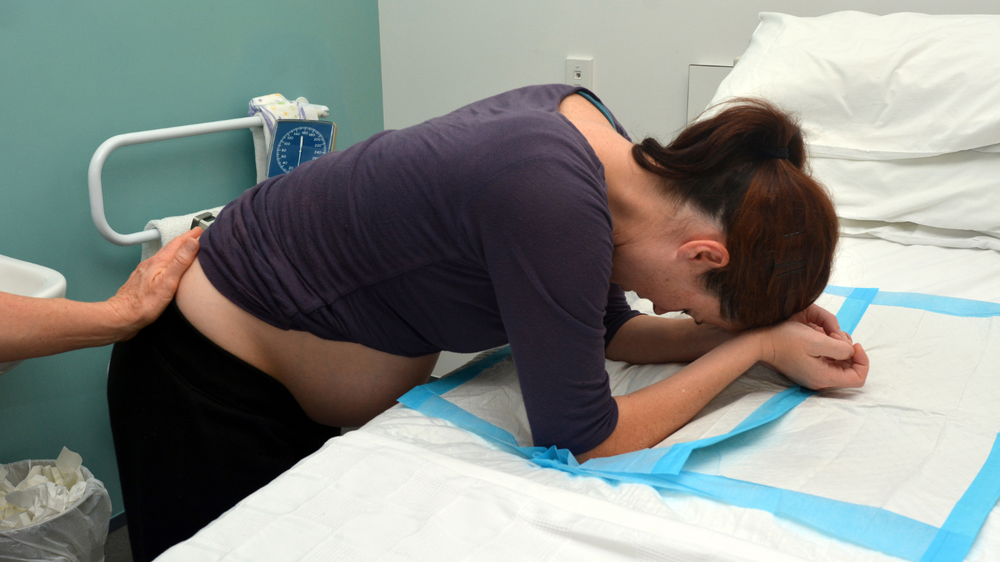
- Change position: Sitting upright or leaning forward may ease tension.
- Avoid resisting the tremors: Letting your body release energy can help contractions progress.
- Sip small amounts of water or ice chips. Avoid large gulps during contractions.
- Keep an emesis bag or towel nearby. Nurses expect and manage this routinely.
- If you’ve had an epidural, ask for a temperature check—hypothermia-related shivering can feel similar.
- Try controlled breathing: Slow exhales between contractions can reduce the nausea reflex.
Emotional and Psychological Effects
The transition phase is often described as the point when many women say, “I can’t do this anymore.” This feeling coincides with the adrenaline surge. Physiologically, the mind is overwhelmed by sensory input, pain, and fear of loss of control.Yet, this is also the moment just before delivery, the body’s built-in push toward action. Midwives often use this cue to remind mothers that birth is near. Emotional support from a partner or doula can help transform the panic into motivation.
Post-delivery, a dopamine and oxytocin flood replaces the adrenaline, producing a sense of warmth, relief, and connection with the newborn. Understanding this emotional arc can make the shaking and nausea feel less frightening in hindsight.
Postpartum Tremors: The After-Effect
Some women continue to shake for 20–30 minutes after birth. This “postpartum chill” results from:- Rapid fluid and temperature shifts
- A sudden drop in adrenaline
- Exhaustion and uterine contractions during placental expulsion
What Your Care Team Does
Medical professionals are well aware of transition tremors and vomiting. They typically:- Monitor vital signs to ensure no fever or hypoxia.
- Provide anti-nausea medication (such as ondansetron) if vomiting is frequent.
- Maintain thermal regulation: warming blankets or adjusting the room temperature.
- Offer reassurance and coaching through breathing and positioning.
When to Seek Help After Birth
Contact your doctor if you notice:- Persistent vomiting or dehydration after delivery
- Shivering accompanied by a temperature above 38°C
- Chest pain or shortness of breath (possible fluid overload or embolism)
- Severe weakness or dizziness
Shaking and vomiting during transition may look dramatic, but they’re deeply physiological signs of a body surging with energy for birth. Rather than fearing them, knowing their purpose helps you work with, not against, the process. When adrenaline peaks, you’re closer than ever to meeting your baby, and your body knows exactly what it’s doing.
Whether you’re pregnant, a new mom, or navigating postpartum, you don’t have to do it alone. Join our support group to connect, share, and support one another.
FAQs on Transition Shakes and Vomiting
- Why do I suddenly vomit during active labour?
Vomiting is triggered by the surge of adrenaline and oxytocin as the cervix reaches full dilation. The body diverts blood away from digestion, causing nausea or emesis. - Can shaking harm my baby or affect pushing?
No. Tremors are purely maternal and don’t harm the baby. In fact, they indicate your body’s readiness for the pushing phase. - How can I tell if the shaking is from adrenaline or an epidural?
Epidural shivering often feels continuous and cold-related, while transition tremors come in waves with contractions and stop after birth. - Is there anything I can do to prevent vomiting?
Eating light foods early in labour, staying hydrated, and avoiding fatty meals can help. Once active labour begins, most hospitals recommend only clear fluids to reduce nausea risk. - How long do the shakes last after birth?
Usually 15–30 minutes. Gentle warmth, fluids, and skin-to-skin contact help stabilise your body quickly.