In this article:
What Does “Baby Activity Level” Really Mean?
Your baby’s activity level encompasses all types of movements they make inside your womb. These include kicks, rolls, twists, stretches and hiccups. They start between 18 and 22 weeks, but you may feel them earlier if you have been pregnant before.The most interesting thing is that babies also have active periods and resting periods just like adults, so their patterns can change.
Why Does Movement Change as the Baby Grows Each Week?
Is Your Baby Growing Rapidly This Week?Growth is the biggest factor in noticing the change in movement.
- In the second trimester, your baby weighs only 200–600 grams. So, the womb has enough space for them to flip and roll.
- By the third trimester, your baby can weigh 2–3 kg or more, which reduces the space inside the womb.
Your baby starts having regular sleep and wake cycles around 28–32 weeks. They may sleep for 20–40 minutes at a time, or even up to an hour sometimes. Movements reduce naturally during these sleep periods.
So if you notice less movement, your baby may be taking a nap.
Could Placenta Position Affect What You Feel?
The kicks may feel soft in the earlier weeks if your placenta is at the front of your uterus, also known as an anterior placenta. It does not change the baby’s movement, but you may not be able to feel all of them.
Is There Less Space in the Womb Now?
Your baby grows quickly in the final weeks, but your uterus cannot expand fast enough to keep up, leaving limited space and the following consequences:
- Fewer big movements
- More subtle rolls and nudges
- Stronger pressure instead of fluttering kicks
Your activity influences your baby’s movement.
- When you walk, the movement may rock the baby to sleep
- When you rest, the baby becomes more active
- After you eat, the energy from the food may make the baby move more
What Are the Lesser-Known Reasons for Activity Changes?
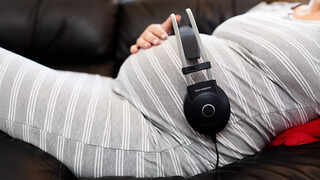
Does the Baby React to Sounds and Light?Babies start responding to outside sounds around 25–28 weeks. Music, voices, or loud noises may temporarily increase their movement.
Is Your Blood Sugar Low or High?
If you do not eat for long hours, your blood sugar levels will drop, so your baby may move less. You may notice your baby moving more after you eat because they get energy, too.
Is Amniotic Fluid Changing This Week?
Amniotic fluid levels change throughout pregnancy. The movement feels different in the late third trimester because the fluid is lower.
How Can You Understand What’s Normal For You?
Should You Follow Kick Counting?Kick counting helps you understand your baby’s activity pattern.
- Choose a time when your baby is usually active
- Count 10 movements
- Most babies reach 10 movements in 20 minutes to 2 hours
- This is simply a way to know your baby’s rhythm.
When Should You Speak to a Doctor?
Contact your doctor immediately if you notice any of the following signs:- You feel no movement for several hours
- Movement is suddenly much less than usual
- You feel a consistent change that worries you
- Kick counting shows a pattern of reduced activity
What Can You Do When You Feel Reduced Movement?
You can encourage your baby by taking the following initiatives:- Sit or lie on your left side
- Have a light snack, such as fruit or a glass of juice
- Stay calm and take slow breaths
- Avoid rushing because your baby may move more when you are relaxed
What To Do Next: A Quick Checklist?
- Notice when your baby is the most active
- Try kick counting from the 28th week
- Rest if you feel reduced movement
- Track your eating and sleeping patterns
- Share concerns with your partner for emotional support
- Consult your doctor for any sudden or major changes
Emotional & Social Aspects: How Can These Changes Affect You
Feeling your baby move is one of the most emotional parts of pregnancy. So it is only natural to worry when the pattern changes. This is completely normal.Talking to your partner or a member of your close family about what you are experiencing. Sharing your feelings also reduces stress. There are new developments every week in your baby, and their movements are also a part of it.
Your baby’s activity level changes from week to week due to various reasons. You can be less anxious knowing that growth, sleep cycles and your womb space can change the movement pattern. You can learn your baby’s pattern so that if anything feels unusual, you can reach out to your doctor for help.
Whether you’re pregnant, a new mom, or navigating postpartum, you don’t have to do it alone. Join our support group to connect, share, and support one another.
FAQs on Why the Baby’s Activity Level Changes From Week to Week?
- When should I start feeling my baby move regularly?
You may notice regular movements between 20 and 24 weeks, but it also depends on your placenta’s position and whether it is your first pregnancy. - Do babies move less before labour starts?
You may not notice movements because the baby gets limited space as they grow, but you should feel regular activity daily until delivery. - Are fewer movements normal during the third trimester?
Movements may feel different or may also slow down, but they should never stop. If you feel your baby is moving less than usual, it is time to visit the hospital.