Placenta previa is a manageable condition with regular ultrasound monitoring. You can move through your pregnancy confidently after learning more about this condition and how to manage it.
What Is Placenta Previa and Why Does Its Position Matter?
Placenta previa is a condition in which the placenta covers your cervix, either partially or fully. The cervix is a way out for your baby during delivery, so its blockage can lead to problems.There are three common types of this condition.
- Low-lying placenta, in which the placenta is near the cervix
- Partial previa, in which the placenta covers part of the cervix
- Complete previa, in which the placenta fully covers the cervix
In this article:
Why Do You Need More Ultrasounds With Placenta Previa?
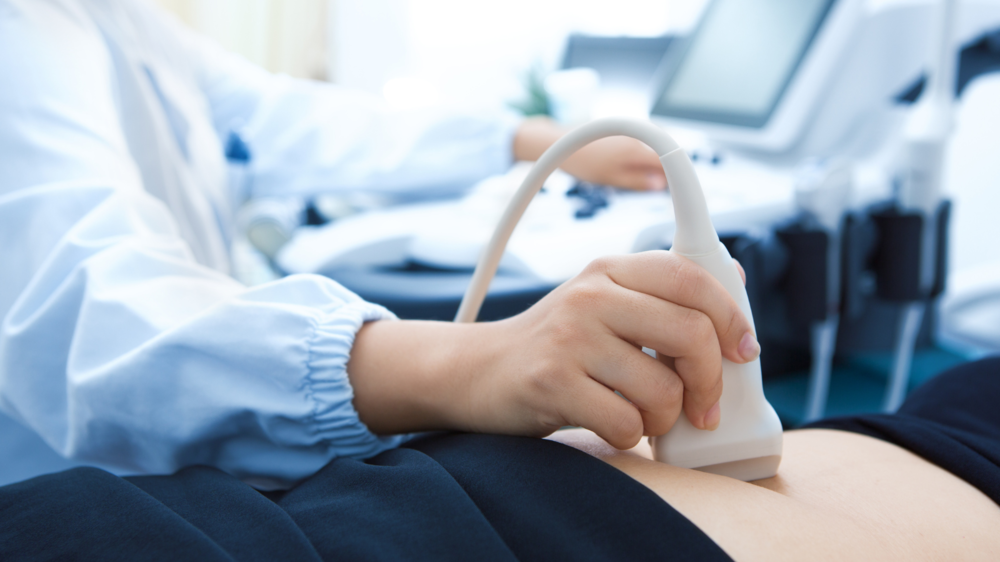
Regular ultrasounds are necessary to understand whether your placenta and baby are developing as your pregnancy progresses. The risks of placenta previa can increase over time, so monitoring the condition helps detect problems early and provide guidance.How Do Ultrasounds Track Placenta Movement?
In many cases, the placenta can naturally move upward as your uterus expands before 28–30 weeks. About 80–90% of low-lying placentas diagnosed early in pregnancy resolve on their own.Frequent ultrasounds help your doctor assess the following:
- Whether the placenta is moving away from the cervix
- How quickly it is shifting
- Whether it is still covering the cervix as your due date approaches
How Do Extra Ultrasounds Help Monitor Bleeding Risks?
One of the major concerns with placenta previa is unexpected vaginal bleeding in the last trimester. Even a slight movement or strain can trigger bleeding because the placenta remains close to sensitive blood vessels.Ultrasound scans help your doctor in many ways.
- They can check if the placenta is bleeding internally
- They can see if the placenta is thick or healthy
- They can identify early signs of complications
How Does Placenta Previa Affect Your Baby’s Growth?
Most babies grow normally, but placenta previa can affect the exchange of nutrients and oxygen between you and your baby in some cases.Ultrasounds help track the following aspects of pregnancy:
- Baby’s weight and growth curve
- Amniotic fluid levels
- Umbilical cord blood flow
- Baby’s position (breech babies are common with placenta previa)
Are There Hidden Risks That Ultrasounds Help Detect?
- Some cases of placenta previa also develop the following conditions:
- Placenta accreta occurs when the placenta attaches too deeply.
- Placenta increta or percreta is a more severe form of placental attachment.
- Preterm contractions
- Higher chances of C-section complications
What Should You Expect During These Frequent Ultrasounds?
Most individuals with placenta previa get scans during the following weeks:- Diagnosis (usually around 18–20 weeks)
- Follow-up at 28–32 weeks
- Additional scans every 2–4 weeks if the placenta is still low
- Extra scans to monitor if you experience bleeding
What Can You Do to Stay Safe Between Scans?
Your daily habits can make a big difference in your pregnancy.- Your Safety Checklist
- Avoid heavy lifting
- Reduce strenuous exercise
- Avoid intercourse if your doctor advises against it
- Track any spotting or bleeding
- Rest more than usual, especially during the third trimester
- Keep your emergency contacts updated
- Have a hospital bag ready earlier than usual
When Should You Seek Immediate Medical Help?
Do not ignore any of the warning signs. Some are listed below for your reference.- Bright red bleeding
- Persistent cramps or contractions
- Sudden back pain
- Dizziness or weakness
- Decreased baby movements
How Does This Affect You Emotionally and Socially?
A placenta previa diagnosis can feel scary. You may feel anxious before going to scans. You may worry about your baby or feel frustrated with the restrictions on your daily activities. Take care of your feelings in such times. - Share your concerns with your partner or family
- Join support groups (online or offline)
- Practice relaxation techniques
- Talk openly during check-ups
Whether you’re pregnant, a new mom, or navigating postpartum, you don’t have to do it alone. Join our support group to connect, share, and support one another.
FAQs on Why Women With Placenta Previa Need More Ultrasound Monitoring?
- Can placenta previa go away on its own?
Many cases of placenta previa resolve on their own by the third trimester because your uterus expands, which moves the placenta upward. - Is travelling safe if I have placenta previa?
Short-distance travel is allowed, but long-distance travel or bumpy roads are not safe. You can consult your doctor to discuss travelling before making any plans. - Can placenta previa affect future pregnancies?
Your chances of having placenta previa slightly increase in your next pregnancy if you have had it earlier. Your doctor may recommend monitoring your case earlier in future pregnancies.