In this article:
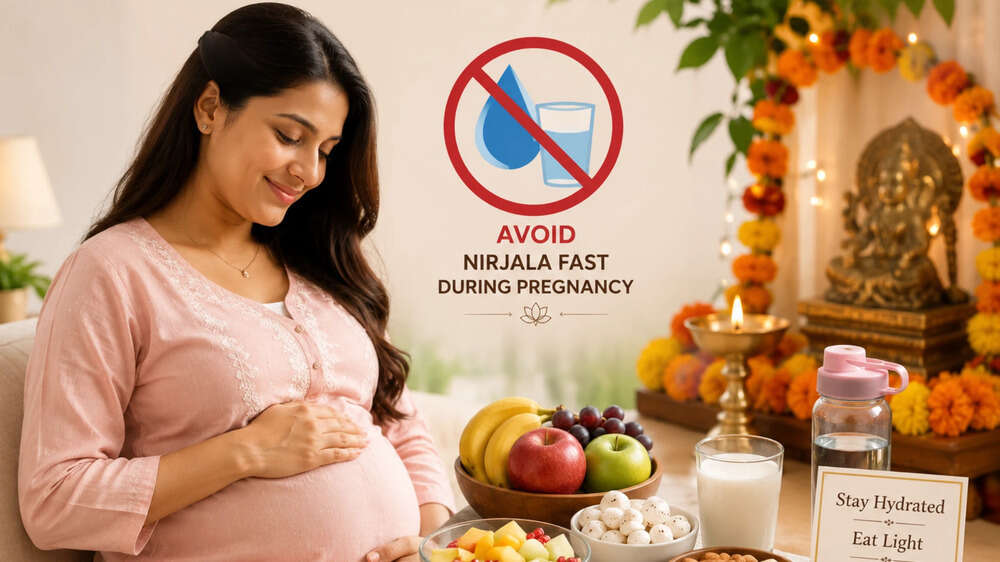
Why Nirjala Fasting May Be Risky During Pregnancy In Ekadashi
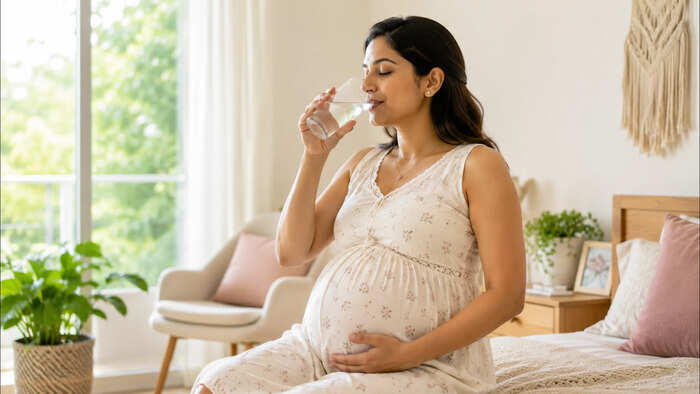
Pregnancy increases the body’s need for fluids, energy and nutrients. As per the British Nutrition Foundation, staying hydrated during pregnancy is important because fluid requirements can vary and dehydration may affect overall wellbeing.According to WHO nutrition counselling guidance, good nutrition during pregnancy is critical for the health of both the mother and the unborn baby. Long hours without water or food may worsen weakness, dizziness, nausea, acidity, headaches or low energy, especially in hot weather or if you already have vomiting, anaemia, low blood pressure or gestational diabetes.
Safer Ways To Observe Ekadashi Vrat
If your doctor allows you to fast, consider a modified vrat rather than a strict one.Here are some ways:
- Avoid Nirjala Fasting: Do not skip water. Sip fluids regularly throughout the day.
- Choose Fruits: Banana, apple, papaya, pomegranate or seasonal fruits can provide natural energy.
- Add Light Dairy: Milk, curd or buttermilk may help maintain protein and calcium intake if tolerated.
- Include Nuts and Seeds: A small portion of almonds, walnuts or makhana can support satiety.
- Eat Small Portions: Avoid long gaps. Have light vrat-friendly meals at regular intervals.
- Avoid Excess Sugar: Too many sweet drinks or fried vrat foods may cause acidity or blood sugar fluctuations.
When Should Pregnant Women Not Fast?
Avoid fasting if you have a high-risk pregnancy, diabetes, severe vomiting, anaemia, low foetal growth,dehydration, twins, kidney issues, or your doctor has advised against it. A review in the International Journal of Gynaecology and Obstetrics notes that evidence on fasting during pregnancy is not conclusive enough to give one rule for everyone, making individual medical advice essential.Ekadashi vrat can be observed with devotion without compromising pregnancy health. The safest approach is to avoid nirjala fasting, stay hydrated, eat light, nutritious foods and consult your doctor before making any fasting decision.
FAQs On Ekadashi Vrat In Pregnancy
- Can Pregnant Women Keep Ekadashi Vrat?
Yes, but only after consulting a doctor and preferably with fruits, fluids and light foods. - Is Nirjala Fast Safe During Pregnancy?
Nirjala fasting is not advisable during pregnancy because dehydration and long gaps without food may affect maternal well-being.