In this article:
What Are Chronic Conditions in Pregnancy?
A chronic health condition is any health condition that has been present for a long time, possibly before pregnancy. These are not health conditions caused by pregnancy, but pregnancy can affect how these conditions are managed.
Some common chronic conditions are:
- Diabetes: A condition that influences your blood sugar level
- Thyroid disorders: Diseases of hormonal imbalance
- Hypertension: Having high blood pressure
- Asthma: A condition that affects breathing
- Autoimmune disorders: Conditions where the body’s own immune system attacks itself
- Mental health conditions: This includes anxiety or depression
How Do Chronic Conditions Affect Pregnancy?
Pregnancy and chronic conditions tend to affect each other. The management of a condition influences the pregnancy outcomes significantly.
Effect on the mother
If you are living with a chronic condition, you might notice
- Frequent symptoms or flare-ups: Especially during some stages of pregnancy
- Risk of complications: Pre-eclampsia, anaemia, preterm birth
- Overall tiredness and exhaustion (fatigue): Because of the increase in physical effort
- Emotional stress: Experiencing worry or stress at times
Effect on the baby
However, in some cases, it may affect the baby if a chronic condition is not well managed.
- Low birth weight: The baby may be smaller than its expected size
- Premature birth: The baby may be born before the expected date
- Distress during labour: Baby may need close monitoring
- Birth defects: This is seen in some conditions, mostly when it is not controlled in time
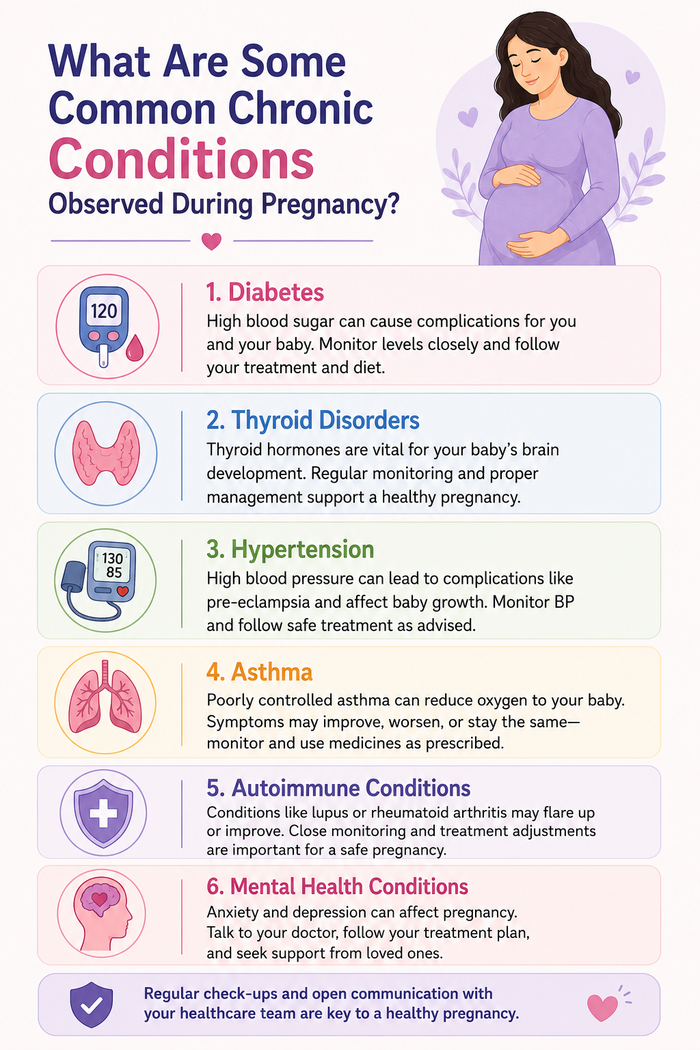
What Are Some Common Chronic Conditions Observed During Pregnancy?
Diabetes
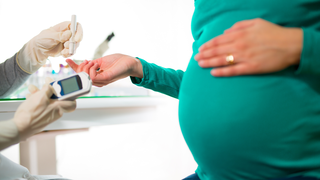
Throughout your pregnancy, diabetes needs to be closely monitored. Uncontrolled blood sugar levels might raise the risk of complications, including a larger baby or some difficulties in delivery. Effective blood sugar management is crucial for prevention as soon as diabetes is identified. As the pregnancy goes on, your doctor might also adjust the dosage of your insulin or medicines. It is crucial to regularly check your nutrition and blood sugar levels.
Thyroid disorders
The thyroid gland plays a significant role in a baby’s brain development, especially in the first trimester. TSH (thyroid-stimulating hormone) levels are typically monitored every 4 to 6 weeks in the first half of pregnancy. Well-managed thyroid conditions are associated with normal pregnancies. If you have a thyroid disorder, there is a need for constant monitoring and adjusting your doses to reflect any change in hormone requirements during pregnancy.
Hypertension
Chronic high blood pressure (hypertension) has the risk of leading to various conditions, including pre-eclampsia. The growth of your baby can be influenced by it. Certain blood pressure medications are not considered safe in pregnancy and may need to be switched; always consult your doctor before making any changes. Always monitor your blood pressure.
Asthma
Poorly controlled asthma can reduce oxygen supply to the baby. Asthma symptoms are known to improve, worsen, or remain unchanged during pregnancy. According to ACAAI, weeks 24 to 36 are when asthma is most likely to get worse. About 10 % of women with asthma experience asthma symptoms during childbirth.
Autoimmune conditions
Conditions like lupus, rheumatoid arthritis, or thyroiditis might work differently during pregnancy due to immune alterations. Some women may experience improvement while others may have flare-ups, especially after delivery. If you have any autoimmune condition, you will need close monitoring by a specialist and an obstetrician. Your healthcare provider may need to evaluate your treatment plan because certain medications used to treat autoimmune problems may not be advised during pregnancy.
Mental health conditions
Anxiety and depression are among the most neglected chronic conditions in pregnancy. Hormonal changes and emotional stress during your pregnancy may influence these conditions. You need to discuss any changes made to your medication with your psychiatrist and obstetrician. Therapy, groups, and talking to your loved ones are all important. Treatment decisions should always be made with proper consultation.
Signs You Should Watch Out For
Knowing the warning signs in pregnancy is also crucial. If you notice any of the following, do not ignore them:
- Sudden swelling, particularly in the hands, feet, or face
- Recurrent headaches
- Vision issues like visual disturbances or blurred vision
- Sudden fluctuations in blood sugar levels
- Breathlessness
- Reduced baby movements
- Severe exhaustion
How Are Chronic Conditions Managed During Pregnancy?
Medical management
Your doctor will track your condition and may also advise a treatment plan during pregnancy.
- Checking your medications: Make sure the medications are safe during pregnancy before changing them
- Preconception care: Maintaining your overall health before pregnancy
- Referrals to specialists: Working with specialists to monitor your health
- Some additional tests: Keeping a close eye on your health
Changes in lifestyle
Making changes in your simple daily habits is crucial in addition to medical care.
- A nutritious diet: Depending on your health
- Nutrition based on your particular condition: Such as a low-glycemic diet for diabetes
- Light exercise: Only if prescribed by your physician
- Get enough sleep: Especially in your later stages
- Managing stress: Through yoga or relaxation
- Never self-medicate: Before taking any medications, always speak with your doctor
- Avoid smoking and alcohol: To safeguard your health and that of your unborn child
Monitoring and checkups
You might need to have more frequent prenatal checkups during pregnancy.
- Frequent ultrasound scans: To track your baby's growth
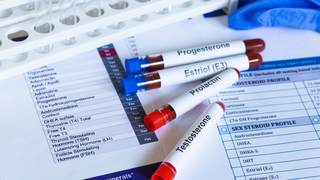
- Blood test: To monitor your hormones and general health
- Tests to monitor your baby: Mostly in the final stages of pregnancy
- Regular doctor visits: For future assessments
When Should You See a Doctor
If you have a chronic condition and are planning a pregnancy, it is helpful to consult your doctor as early as possible. This way, your care team will be able to plan for you safely.
During pregnancy, you should seek medical advice if:
- Your symptoms appear to be worsening
- You have experienced any warning symptoms
- You are in doubt about whether a medication should be taken or not
- You are feeling overwhelmed or stressed and need help in managing your condition
It might be difficult at times to maintain your and your baby’s health when you are pregnant and have a chronic condition. But you are not alone in this journey, and assistance is always accessible when you require it. With the proper medical assistance, routine monitoring, and minimal daily care, a healthy pregnancy is possible.
Whether you’re pregnant, a new mom, or navigating postpartum, you don’t have to do it alone. Join our support group to connect, share, and support one another.
FAQs on Pregnancy With a Chronic Condition: What You Need to Know
- What are some high-risk pregnancy factors?
Existing medical conditions, your age, lifestyle, and health problems that occur before or during pregnancy are some of the factors that might make your pregnancy high-risk. - Can you have a healthy pregnancy with a chronic condition?
Yes, you can have a healthy pregnancy with chronic conditions with proper medical care and monitoring. - Should you stop taking medicines during pregnancy?
No, do not stop any medications without consulting your doctor. Some medicines may need adjustment rather than stopping.