In this article:
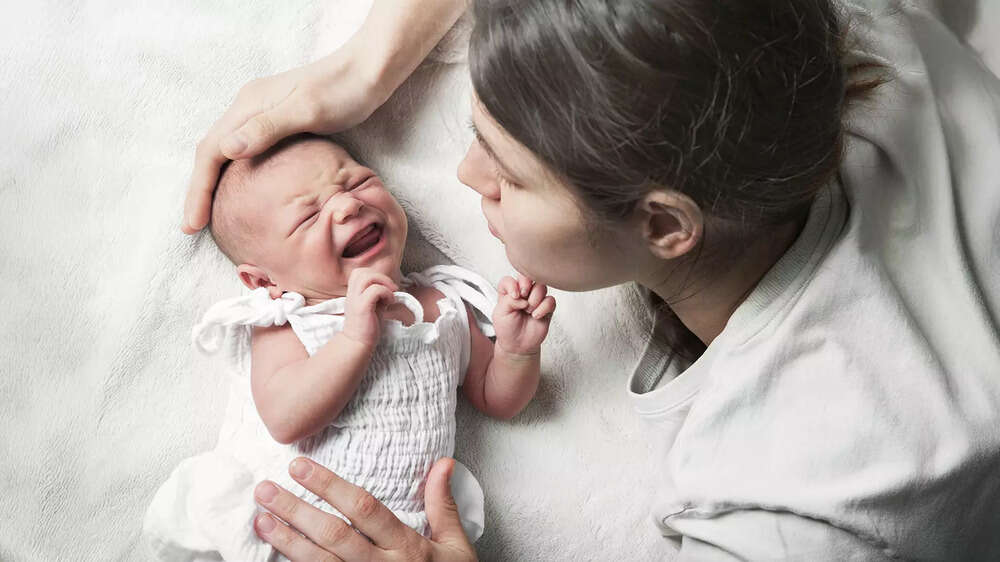
It does not necessarily mean that they are hungry or uncomfortable. Understanding the reasons behind this behaviour will help you confidently respond to their needs.
Is Your Baby Still Hungry Even After Feeding?
The most common reason babies cry after coming off the breast is continued hunger. A newborn baby has a very small stomach, about the size of a cherry on day one and a walnut by day three. They can easily digest breastmilk, so they may want to feed again soon.Some babies may feed for a short time, so they may nurse more often. So, they may communicate by crying if they want to feed more.
Feeding patterns in early weeks
A newborn baby feeds 8–12 times in 24 hours. It does not mean your milk is insufficient. It simply shows their normal growth and development.Could Gas or Digestive Discomfort Be the Cause?
Your baby may cry due to discomfort in digestion after feeding. It happens because they swallow air as they feed if they latch quickly and come off the breast often. The air gets trapped in the stomach, which causes discomfort.You may notice your baby arching their back, pulling their legs up, or crying sharply. Burping after every feed can relieve it.
Supporting digestion gently
Holding your baby upright for 10–15 minutes after feeding can reduce gas and help them settle comfortably.Does Milk Flow Affect Your Baby’s Comfort?
The speed of milk flow can cause frustration in some cases. Your baby may struggle to coordinate sucking and swallowing if your milk flows very fast. However, your baby may tire easily and cry in frustration after unlatching if the flow is slower.Milk flow and adjustment
Your baby learns to manage milk flow over time. Changes in feeding positions can help make feeding comfortable for both of you.
Is Your Baby Seeking Comfort, Not Milk?
Feeding is not only about nutrition. It also provides them with warmth and closeness. Some babies cry after coming off the breast because they want continued skin-to-skin contact.This behaviour is common during growth spurts or in the evening when babies feel overstimulated. Crying does not always signal hunger, as it may signal a need for comfort.
Emotional regulation in newborns
Your baby relies on you to feel safe. Holding, rocking, or talking to them can meet this emotional need.
Can Overstimulation Play a Role?
Your baby may feel sensitive to light, sound, and activity. Your baby may suddenly become aware of their surroundings after feeding. Crying can be a response to feeling overwhelmed.This is common in the first 6–8 weeks, when babies are still learning to process sensory input.
When Should You Be Concerned?
All babies cry occasionally. But certain signs require medical attention. You should contact your doctor if your baby shows the following signs:- Poor weight gain
- Fewer than 6 wet diapers a day after the first week
- Persistent vomiting
- High-pitched or inconsolable crying
- Signs of pain or fever
How Can You Help Your Baby Settle After Feeding?
You can support your baby by observing patterns and responding to them accordingly.Practical steps you can take
- Offer a second breast if your baby seems unsatisfied
- Burp your baby gently after feeds
- Keep your baby upright briefly
- Reduce noise and bright light
- Practice skin-to-skin contact
What Should You Do Next? A Simple Checklist
- Track feeding frequency and diaper output
- Observe signs of hunger or feeding for comfort
- Try different feeding positions
- Allow proper latch during feeds
- Ask for professional help if unsure
Emotional and Social Support for You
It is easy to doubt your caring abilities for your baby when they do not stop crying. You may feel something is wrong, which can lead to unnecessary worry. Ask your partner for support with responsibilities to ease your load. You may also feel better during routine visits when your doctor checks your baby’s growth.Remember, your emotional health matters too. Your baby will be calm if you remain calm in such situations.
Crying after coming off the breast is a normal behaviour in a newborn baby. It may be due to hunger, digestive discomfort, emotional needs, or sensory overload. Understanding these possibilities and responding gives you a chance to support your baby’s development. You will notice that feeding becomes smoother for both you and your baby with time.
Whether you’re pregnant, a new mom, or navigating postpartum, you don’t have to do it alone. Join our support group to connect, share, and support one another.
FAQs on Why Some Babies Cry Right After Coming Off the Breast?
- Can crying after breastfeeding mean low milk supply?
Many babies cry for reasons, such as comfort or digestion, unrelated to milk quantity. - Is it normal for this behaviour to happen more in the evening?
Most babies are fussier in the evening due to fatigue and the buildup of stimulation. - Should you stop breastfeeding if crying continues?
Breastfeeding is beneficial. You can seek professional guidance rather than stopping abruptly.