In this article:
You can stay calm after learning the reasons for grunting so that you can observe severe signs and seek help immediately.
Why Is Breathing a Major Change for Newborns?
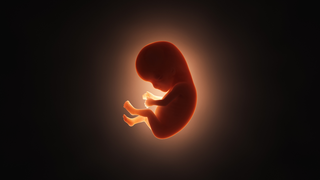
Your baby does not use their lungs to breathe in the womb. The placenta supplies the oxygen, as the lungs are filled with water. But they have to make a switch suddenly after birth. Breathing requires the lungs to be free of fluid, to expand, and to begin exchanging oxygen with the environment.This transition is not easy. As a result, breathing may be irregular, resulting in grunting.
What Does Grunting in Newborns Actually Sound Like?
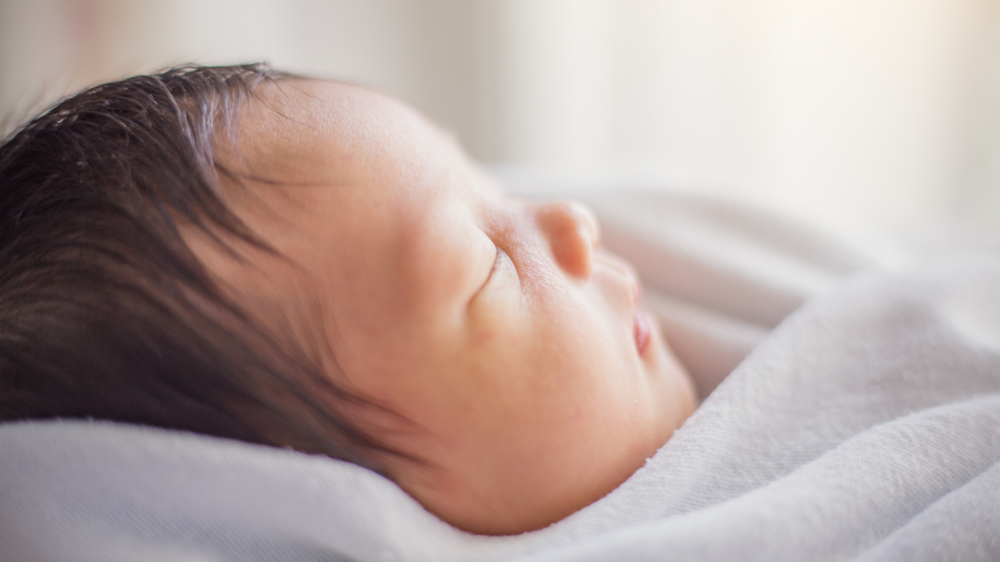
Grunting is a low-pitched sound made during exhalation. It may sound like a strain or soft groan and happens at the end of a breath. Some babies grunt occasionally, while others may do it more often.It is most noticeable when your baby sleeps, so it is different from crying or coughing.
Why Do Newborns Make Grunting Sounds While Breathing?
Grunting helps your baby's lungs function better. When your baby grunts, they close the vocal cords partially during exhalation. This action keeps air inside the lungs for a longer time. Your baby does this for the following reasons- Keeps the tiny air sacs in the lungs open
- Improves oxygen exchange
- Reduces lung collapse
- Supports steady breathing
How Long Is Grunting Considered Normal in Newborns?
Mild grunting lasts for a few hours to up to 48 hours after birth for most babies. It improves as fluid from the lungs clears, and breathing becomes more regular.Grunting may be more common during the first day and reduces without treatment. If it goes beyond two days, medical observation may be required.
Does Grunting Always Mean Your Baby Is in Distress?
Grunting alone does not always indicate a problem. Many healthy babies grunt for a short while to help their lungs adjust.If grunting is constant or comes with other symptoms, your baby may be working harder to breathe. Therefore, doctors monitor breathing closely in the early days.
What Warning Signs Should You Watch For Alongside Grunting?
You cannot ignore medical advice if grunting comes with the following signs:- Rapid breathing over 60 breaths per minute
- Chest pulling in with each breath
- Flaring of the nostrils
- Bluish colour around the lips or fingertips
- Poor feeding
- It lasts longer than 48 hours
Which Babies Are More Likely to Make Grunting Sounds?
Some babies are more prone to grunting during early breathing adjustment.- Babies born by cesarean section
- Babies who are born slightly early, between 34 and 37 weeks
- Babies of mothers with diabetes
- Babies who are exposed to meconium before birth
How Do Doctors Check and Support Newborn Breathing?
Doctors monitor oxygen levels, breathing rate, and chest movement, along with grunting, before concluding anything. In some cases, chest imaging may be used.Keeping the baby warm, providing oxygen, or using gentle breathing support are part of the care. Most babies respond well to them and improve quickly.
What Can You Do as a Parent During This Phase?
Your role is to provide comfort to your baby and watch out for concerning signs. You can support your baby by keeping them warm, feeding them properly, and following all the medical advice.You can try skin-to-skin contact to regulate breathing and reduce stress if your doctor approves it.
Emotional and Family Aspects of Newborn Breathing Concerns
Hearing sounds due to breathing can increase anxiety if you are a new mother. Talk about it with your partner. Discuss solutions with your doctor to reduce fear and build confidence.Remember that grunting is temporary, so spend your time caring for the baby rather than constantly worrying.
What Should You Do Next? A Simple Checklist
- Observe breathing patterns regularly
- Note how long grunting lasts
- Watch for warning signs
- Communicate concerns early
- Follow medical guidance carefully
- Support your baby with calm handling
Grunting sounds in babies are normal, so do not let it get to you. Most babies make this sound as they adjust to breathing by using their lungs. You will notice that your baby stops making this sound two days after birth when they breathe. All you need to do is support your baby to make the transition from womb to a new life easy.
Whether you’re pregnant, a new mom, or navigating postpartum, you don’t have to do it alone. Join our support group to connect, share, and support one another.
FAQs on Why Newborns Make Grunting Sounds While Adjusting to Breathing?
- Is grunting more common in babies born by cesarean section?
Babies born via cesarean delivery retain more fluid in their lungs, which can lead to temporary grunting. - Can reflux cause grunting in newborns?
Reflux may cause noises, but breathing-related grunting is different and should be assessed if persistent. - Should you wake a grunting newborn?
Waking is not required if feeding and breathing are normal unless advised by a doctor.