In this article:
What Really Happens Inside the Body After Embryo Transfer
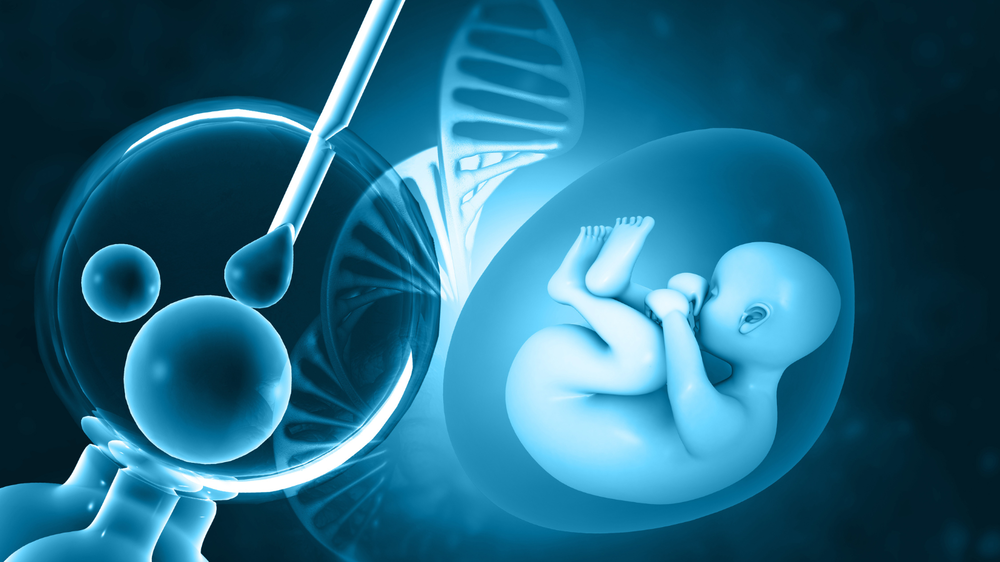
After the transfer, the embryo usually takes about 6 to 10 days to implant in the uterus. Hormone levels increase slowly, so you might not notice any symptoms or only mild ones. Taking a pregnancy test before day 12 can often give a false result.- Implantation window: 6–10 days
- No symptoms do not mean failure.
- Blood tests are more reliable than home tests.
What Should You Do During the Two-Week Wait
1. Rest without overdoing itLight rest on the day of transfer is enough. You can return to routine daily activities the next day. Avoid bed rest as it may reduce circulation. Gentle movement supports your active blood flow.
2. Eat balanced Indian meals
Choose fibre, warm cooked foods, and steady hydration.
- Dal, roti, rice, vegetables, curd
- 8–10 glasses of water daily
Mindfulness, slow breathing, and journaling reduce anxiety responses. Avoid obsessive symptom checking and always share your feelings with your loved ones.
4. Sleep 7–9 hours
Rest supports hormone balance and mood steadiness. Keep screens away before bed and create a low-light environment.
What Should You Avoid During This Stage
1. Should you avoid exercise?Strenuous workouts should wait, but gentle activity is safe. Avoid heavy lifting above 5–7 kg and high-heat environments.
2. Should you avoid intercourse?
Many fertility specialists recommend pausing for 10–14 days as it reduces uterine contractions.
3. Should you avoid long travel?
Short trips are fine, but avoid bumpy road travel for long durations in the first few days. Take frequent breaks if you do travel and stay hydrated.
Warning Signs
Contact a doctor immediately if you experience-- Severe lower abdominal pain
- Heavy bleeding
- Fever above 100°F
- Sudden breathlessness
- Persistent dizziness
What Symptoms Are Normal and What Are Not
1. Common Sensations That Can OccurMild cramps, spotting, bloating, breast tenderness, warmth, and tiredness can all be caused by progesterone. Symptoms vary from person to person and cannot be used to confirm pregnancy.
2. Symptoms Requiring Medical Attention
Heavy bleeding, soaking pads, sharp pain, or shoulder pain could indicate complications, though rare. Always track your symptoms and call a clinic if you’re unsure.
What Myths Should You Stop Believing
1. Myth: Sneezing, coughing, or using stairs can dislodge an embryoThe embryo stays protected inside the uterus and does not fall out. Stairs are safe in moderation, and ordinary movement definitely does not affect implantation.
2. Myth: You must stay in bed all day
Evidence suggests that bed rest does not improve success rates. On the contrary, gentle movement is better.
3. Myth: Certain foods cause implantation failure
No food can prevent implantation, unless medically unsafe. Your focus should be on hygiene and freshness.
4. Myth: Every symptom means something
Hormones differ; symptoms vary. Stay patient until the day you test for pregnancy at home.
How Do You Handle Emotions and Stress
1. Recognise the emotional wave: Hope and fear often exist together. Notice your feelings and avoid guilt or self-blame.2. Build a small support circle: Choose two or three people who can listen without pressure and keep your expectations realistic.
3. Reduce online overload: Limit scrolling as too much information can heighten stress.
What Lifestyle Choices Help
1. Nutrition tips in the Indian context- Home-cooked meals
- Moderate spices
- Fresh fruits (1–2 servings)
- Iron and calcium-rich foods
- 2–2.5 litres per day
- Coconut water for electrolytes
- Slow walking 15–20 minutes
- Gentle stretching
When Should You Take a Pregnancy Test?
A blood test performed 12–14 days after the procedure is most accurate. Urine tests can give false negatives if taken early.What to do next — Checklist
- Follow a routine in daily life
- Eat balanced meals
- Stay hydrated
- Sleep well
- Avoid heavy lifting
- Note warning signs
- Plan test date
- Reach out for emotional support
IVF can feel overwhelming, but you’re not alone. Join our IVF support group, where stories, guidance, and strength are shared daily.
FAQs on Embryo Transfer Aftercare in India: What to Expect and What to Avoid
- Can symptoms after embryo transfer confirm pregnancy?
Mild cramps, spotting, or bloating can appear due to progesterone and do not confirm pregnancy. Some people feel nothing at all and still get a positive result. The only reliable confirmation is a blood test taken 12–14 days after transfer as advised by a fertility specialist. - Is travel, diet, or movement likely to affect implantation?
Everyday movement, stairs, and household tasks do not affect implantation. Short travel is usually fine, but avoid long, bumpy rides in the first few days. Balanced meals, hydration, and hygiene are key. Heavy lifting, high heat, and strenuous exercise should be avoided until the test date or until advised by the clinic.