Times Future of Maternity 2026 | India's Largest Maternity Ecosystem Gathering

The Ultimate Guide to Understanding a Follicle Size Growth Chart

A follicle size growth chart helps your doctor track the development of ovarian follicles and ultimately, your fertility levels. Understanding a follicle size growth chart during a fertility treatment can help couples plan conception more efficiently.

Pregatips.com
follicle growth
Have you ever wondered how doctors determine the right time for ovulation or assisted fertility treatments? The answer is simple: they use a follicle size growth chart. It is a complete record that tracks the development of ovarian follicles throughout your menstrual cycle.
Regular follicle monitoring allows your healthcare specialist to understand your egg maturity, ovulation timing, and hormonal balance. Whether you’re planning to conceive naturally or through assisted reproductive techniques like IVF or IUI, understanding a follicle size growth chart is essential for successful conception.

Let’s discuss what a follicle size growth chart is, typical follicle size growth, why it’s so important, and tips for healthy follicle development.

What is a Follicle Size Growth Chart?

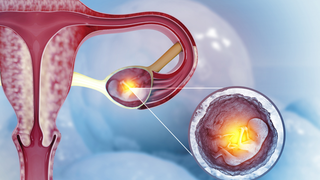
A follicle size growth chart is a simple medical analysis used by gynaecologists to monitor the growth and maturity of ovarian follicles during the menstrual cycle. Follicles are tiny fluid-filled sacs inside the ovaries, where each one holds an immature egg.

When a woman’s cycle progresses, their body releases follicle-stimulating hormone (FSH) and luteinising hormone (LH), which help follicles grow in size and prepare for ovulation. Doctors use this growth chart to monitor the growth stage, from the early days of your menstrual cycle to the fully mature follicle.

Once your gynaecologist has complete information about your cycles, they can assess your fertility and identify the right time for ovulation.


Typical Follicle Size Growth During the Menstrual Cycle

Follicle size growth during the menstrual cycle follows a specific pattern that reflects the dynamic hormonal changes regulating ovulation.

Cycle Day

Follicle Size

Day 1-5

2-5 mm

Day 6-10

6-10 mm

Day 11-14

16-22 mm

Ovulation

18-25 mm

Note: The actual follicle size growth chart differs from one individual to another. Doctors also recommend ultrasound scans to monitor follicular growth and identify the optimal time for ovulation.

Why is Understanding Follicle Size Growth Important?

Understanding follicle size growth is crucial to improving your chances of a healthy pregnancy. Here’s why tracking your follicle size is essential.

  • Accurate Ovulation Prediction
Doctors can review your follicle growth chart to estimate when ovulation will occur. When couples know the right fertility window, they can try on those particular days and increase the chances of pregnancy. Remember that the timing for natural conception or fertility treatments via IVF or IUI around ovulation is a crucial deciding factor in whether you’ll attain a pregnancy or not.

  • Supports Fertility Treatments
If you’re undergoing IVF or IUI fertility treatment, follicle size tracking is essential. It helps your gynaecologist to choose the right time to administer an HCG (trigger) injection, which releases the mature egg for fertilisation. Furthermore, when specialists perform the treatment at the right time, it ultimately increases your chances of conception.

  • Detects Hormonal or Ovarian Issues
Doctors can study your follicle size growth chart to check for underlying medical conditions such as polycystic ovary syndrome (PCOS) or decreased ovarian reserve. Furthermore, early diagnosis helps your specialist recommend appropriate treatment options and lifestyle changes to balance hormone levels and ultimately, improve your reproductive health.

  • Personalised Treatment Plan
Every woman has different ovulatory cycles. Understanding the follicle size growth chart helps your doctor to personalise fertility treatments and medicine dosages to match your hormonal patterns. Furthermore, dedicated treatment improves your egg quality, increasing your chances of conception, both naturally and through assisted reproductive treatments.

Tips to Support Healthy Follicle Development

Healthy follicles are essential for successful conception. However, an unhealthy lifestyle and compromised nutrition can take a toll on a woman’s reproductive health. Here are the tips to support healthy follicle development.

  • Eat a Nutrition-Rich Diet
Consuming a balanced diet fuels your body with essential nutrients needed for optimal hormone production and egg health. Regular intake of foods rich in zinc, folate, vitamin C, iron, and omega-3 fatty acids helps balance your menstrual cycles, improve blood flow to the ovaries, and support follicle growth. Eat eggs, fish, nuts, or grains to reap maximum reproductive-related benefits.

Note: Consult your gynaecologist before adding any specific food to your diet to avoid potential medical risks.

  • Stress Management is Key
Chronic stress can increase cortisol levels, disrupting reproductive hormones and delaying ovulation. Perform activities such as deep breathing, walking, meditation, or yoga to manage your stress levels and promote better reproductive health. Furthermore, adding strength training to your workout will be an advantage. However, don’t overtrain yourself.

Note: Consult your doctor before hitting the gym or engaging in specific physical activities to rule out any medical conditions.

  • Stick to Your Doctor’s Advice
If you have been trying to conceive for more than six months naturally but haven’t succeeded, then consult your gynaecologist. They will prescribe medications or supplements tailored to your follicle growth pattern and hormonal needs. Furthermore, regular follow-ups and ultrasound scans may help your specialist to monitor progress and adjust the treatment plan accordingly.

A follicle size growth chart provides a complete picture of your reproductive health and chances of fertility. Understanding the follicle size growth chart is crucial to balancing your hormones, regulating your ovulatory cycles, and ultimately, increasing your chances of conception. Furthermore, implementing follicle health development tips helps support your reproductive health.

You’re not alone in your journey when trying to conceive. Join our supportive community to connect with others, share experiences, and find encouragement every step of the way.

FAQs on The Ultimate Guide to Understanding a Follicle Size Growth Chart


  1. How often is follicle growth monitored during treatment?
    During fertility treatments, doctors recommend ultrasound scans every 2 to 3 days to track follicle development and determine the right time for ovulation.
  2. Is follicle monitoring painful?
    No, follicle monitoring is a painless, safe ultrasound procedure that uses ultrasound to track the ovaries and uterus and assess follicle growth.
How we reviewed this article
Our team continuously monitors the health and wellness space to create relevant content for you. Every article is reviewed by medical experts to ensure accuracy.
Times Future of Maternity 2026 | India's Largest Maternity Ecosystem Gathering