What Is Triclosan?
Triclosan is a synthetic antimicrobial agent commonly added to various consumer products. It is designed to reduce bacterial growth.Where Triclosan May Be Found
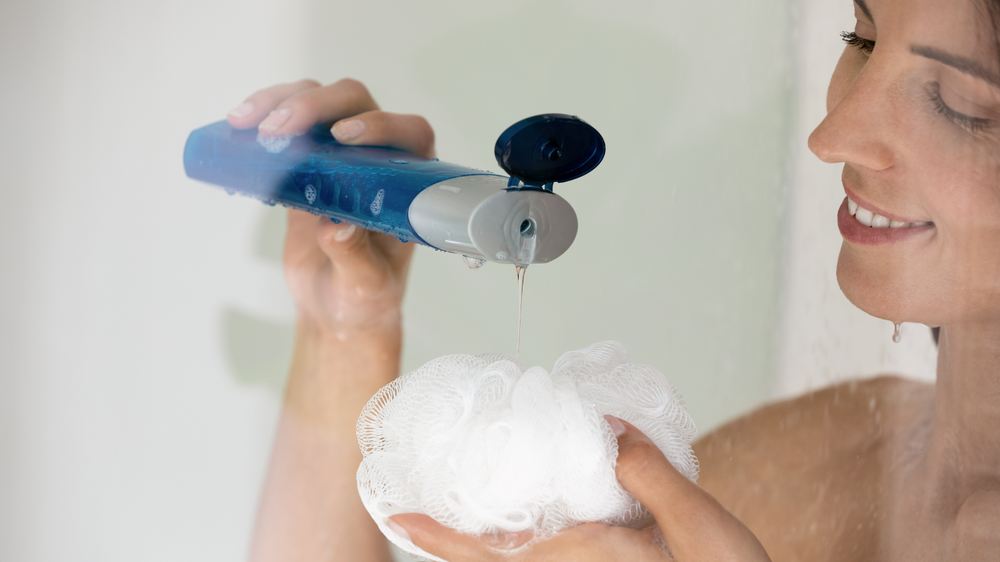
You may come across triclosan in:- Personal wash products
- Toothpastes
- Household cleaning items
- Plastics used for storage containers
- Some textiles and surface coatings
Why Triclosan Raises Questions
Concerns have arisen from studies examining the potential impact of triclosan on human hormones. While research is still in development, the topic remains important during pregnancy.How Triclosan Enters the Body
Possible exposure routes include:- Skin contact
- Oral use through dental or mouth products
- Contact with household surfaces
Existing Research
Some studies have investigated triclosan exposure in expectant individuals. A few have noted traces of triclosan in urine samples, including studies involving participants in Asian regions. However, these findings do not confirm harm; they only indicate that exposure is possible.Points Researchers Continue to Study
Researchers are still exploring:- Whether triclosan influences hormone levels
- Whether long-term exposure has any impact on foetal development
- How much exposure is needed to cause measurable effects
Current Regulations in India
India has regulations governing chemicals in personal care and household products, but these are not always aligned with those in other countries. Triclosan is allowed in some products in limited amounts. New research worldwide continues to shape our understanding of safe use.How You Can Reduce Triclosan Exposure
You can take simple steps to lower your exposure and feel less worried. Consider the following approaches:- Read ingredient lists when buying personal care items.
- Choose products marked as free from antimicrobial additives.
- Reduce the use of unnecessary antibacterial washes.
- Rinse household items thoroughly.
- Avoid over-cleansing in daily routines.
Safer Daily Habits
Making small changes in your daily routine can help reduce your exposure. These changes may include:- Using mild cleansers
- Washing hands with plain soap and water
- Choosing unscented or minimal-ingredient products
- Keeping home spaces well-ventilated
Understanding Labels
Learning to read labels helps you avoid triclosan more effectively. Look for terms such as:- “Triclosan”
- “Antibacterial”
- “Antimicrobial agent”
Environmental Considerations
Triclosan also raises environmental concerns because it can reach waterways. Reducing use helps lower ecological load, contributing to healthier environments for families across India.How to Make Balanced Decisions
It is normal to be careful about chemicals during pregnancy, but there is no need to be alarmed. Try to make balanced choices based on:- Current evidence
- Guidance from healthcare professionals
- Your comfort level
When to Speak With a Healthcare Professional
You may prefer to consult a healthcare professional if:- You use many antimicrobial products daily.
- You notice skin irritation from cleansing items.
- You feel unsure about specific ingredients.
- You want personal guidance tailored to your health.
Is Complete Avoidance Necessary?
Avoiding triclosan entirely is not always needed. Reducing exposure where possible is a practical approach.Checklist for Expectant Parents in India
- Review personal care items at home.
- Replace items gradually rather than all at once.
- Prioritise gentle products.
- Keep hygiene simple and effective.
- Maintain clean surroundings without excessive chemical use.
Everyday Indian Context
Many Indian homes use several products with antimicrobial agents. Making simple changes can lower triclosan exposure without changing your hygiene habits. Basic cleaning, washing hands with plain soap, and keeping rooms aired out are still safe and effective.How to Build a Low-Chemical Home Routine
You do not need to spend a lot or make big changes to have a low-chemical routine during pregnancy. Begin by observing your daily habits and making gradual, incremental changes. Many Indian families already incorporate easy traditions that help reduce exposure to extra chemicals while maintaining comfort and cleanliness. Consider these easy adjustments:- Keep separate cloths for the kitchen, bathroom, and general use to avoid over-cleaning with strong chemicals.
- Choose ventilation by opening windows during cooler hours rather than relying on constant aerosol fresheners.
- Use basic cleaning agents, such as diluted soap solutions, on most surfaces where possible.
- Wash new clothes and household fabrics before use, as these may carry finishing chemicals, including antimicrobial agents.
- Store food in stainless steel or glass containers when available to reduce contact with coated plastics.
- Maintain handwashing habits using plain soap and clean water, which remain dependable for everyday protection.
Triclosan is a common chemical found in many personal and household products in India. Researchers are still studying its effects during pregnancy, but there is no firm evidence of serious harm. Reducing exposure when possible, reading labels, and maintaining basic hygiene can help you stay comfortable and healthy.
Whether you’re pregnant, a new mom, or navigating postpartum, you don’t have to do it alone. Join our support group to connect, share, and support one another.
FAQs on Triclosan and Pregnancy: What Expectant Parents in India Should Know
- Does triclosan accumulate in the body over time?
Current evidence suggests that triclosan typically does not remain in the body for a long time, as it is naturally eliminated through various metabolic processes. Still, using products with triclosan every day can lead to small amounts showing up in urine. That is why researchers continue to study the effects of long-term, low-level exposure. Knowing this can help expectant parents make safer, more confident choices. - Can triclosan affect indoor air quality?
Triclosan does not typically enter indoor air in large amounts, but it can contribute to indoor pollution when cleaning products leave residues. These residues can mix with other indoor pollutants. Keeping your home well-ventilated, cleaning with mild products, and avoiding excessive chemical air fresheners can help maintain healthier indoor air, especially during pregnancy.