In this article:
What Do “Temporary Fertility Changes” Mean?
Temporary fertility changes mean that your body may need extra time to return to its normal reproductive function. Because fertility depends on hormone balance, healthy organs, and overall physical strength, the disruption can cause your body to prioritise healing. Therefore, this delay does not mean you can't conceive; your body is simply recovering.How Do Past Illnesses Affect Your Reproductive System?
The reproductive system consists of cells which are related to the immune system, hormones, and energy. During infections, these systems can be compromised simultaneously.- Hormonal Disruption: Hormonal disruption may affect hormones such as Oestrogen, Progesterone, Testosterone, and thyroid hormones. Thus, even a small disturbance can affect ovulation or sperm production.
- Energy Redirection: During sickness, the body does its best to fight illness and regain health. Hence, recovery is prioritised over reproduction.
- Inflammation and Immune Response: Some illnesses can increase inflammation. These can temporarily affect egg quality, sperm health, or implantation.
Which Past Illnesses Are Most Likely to Impact Fertility?
Most illnesses do not affect fertility. But some are more likely to cause temporary changes.- High Fever and Viral Infections: A fever above 38.5°C can disrupt ovulation or reduce sperm quality. You can expect its effects to last for up to 2-3 months.
- Reproductive Tract Infections: Infections such as Pelvic Inflammatory Disease or Epididymitis may cause short-term inflammation that affects fertility.
- Chronic Conditions: If you are suffering from diabetes, thyroid conditions, or other autoimmune disorders, these conditions can affect your body’s fertility temporarily.
- Stress-Related Illness: Long-term stress, depression, and eating disorders can also affect the reproductive hormones, which can cause delayed conception.
How Long Can A Disease Influence Fertility For?
Recovery time varies, depending on the type and severity of the illness. However, once the body has fully recovered, most people regain normal fertility.- Mild infections: 1 – 2 menstrual cycles
- High fever or flu: 2 – 3 months
- Chronic illness: 3 – 6 months
- Severe infections: 6 – 12 months
Are These Changes Different for Men and Women?
Changes after illness differ between men and women. The effects vary based on biological differences.- Fertility Changes in Women: Suffering from illnesses can delay ovulation, shorten the luteal phase, or temporarily prevent periods. However, these usually reverse with recovery.
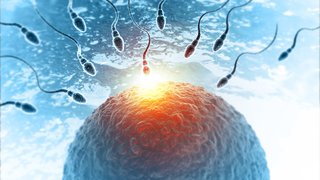
- Fertility Changes in Men: Generally, sperm production takes about 74 days. So, an illness may affect sperm quality for several months before full recovery.
What Signs Suggest Past Illness Is Affecting Fertility?
You may notice the following symptoms or changes in your body that may indicate that past illnesses are hindering your fertility. These are:- Irregular periods
- Libido changes
- Fatigue
- Difficulty conceiving after illness recovery
When To Seek Medical Advice?
Consult a doctor if you are unsure about your next steps. If you are unable to conceive even after trying for 12 months (or 6 months in case your age is above 35), are facing irregular menstrual cycles, have had reproductive infections or feel weakness in the body due to hormonal changes, it is best to seek professional help.What to do to Support Fertility After Illness?
After experiencing an illness, supporting your recovery is crucial. The best steps to support fertility after sickness are:- Focus on Nutrition: Eat balanced meals that include protein, iron, zinc, folate, and healthy fats to support strength.
- Ensure Sleep to Restore Energy: To support your fertility, aim to sleep 7 to 9 hours a night to help regulate hormones.
- Resume Light Physical Activity: Try doing light exercise to enhance blood flow and reduce inflammation.
- Reduce Emotional Stress: It is advisable to seek support from family and friends to alleviate emotional distress and return to daily functioning.
What To Do Next? A Simple Checklist:
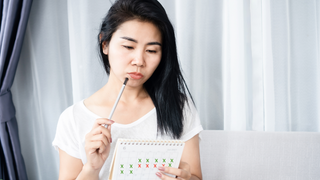
- Track menstrual cycles and ovulation patterns for irregularities
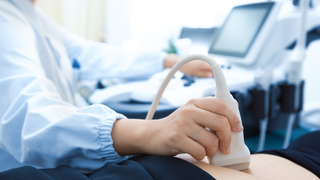
- Schedule check-ups routinely
- Review medication ingredients before consuming
- Have a balanced diet and stay hydrated to support recovery
- Communicate your fears with your loved ones.
Emotional and Social Impact of Delayed Fertility
Delays in conception and fertility can feel emotionally challenging. You may feel frustrated, guilty, or worried that something is wrong with you. Your emotions are valid, yet you must remember that it is not your fault. Communicate your fears with your partner, family members, friends and loved ones. Social support is very helpful during such times. You can also opt to speak to a counsellor or a professional mental health expert to guide you on your feelings.Past illnesses can temporarily lower your fertility. This is because sickness affects hormones, energy levels, and reproductive health. However, these changes aren’t permanent and with good care, time and emotional support, your body can regain its natural balance. Being well-informed about your body can give you confidence about your next steps.
You’re not alone in your journey when trying to conceive. Join our supportive community to connect with others, share experiences, and find encouragement every step of the way.
FAQs on How Past Illnesses Can Temporarily Lower Fertility
- Can antibiotics from past illnesses affect fertility?
Some antibiotics may cause temporary changes but rarely affect long-term fertility. It is best to take only medicines prescribed by a professional. - Can vaccination-related illness symptoms affect fertility?
Mild post-vaccination symptoms may cause short-term changes in the body. However, they typically have no lasting effect on fertility. - Should you delay trying to conceive after a major illness?
Waiting 1–3 months can help your body recover, but full recovery is more important than a fixed timeline. Consult a doctor for personalised advice.