In this article:
What Does It Mean When a Pregnancy Ends Before Confirmation?
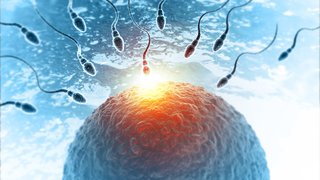
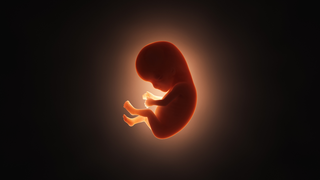
A pregnancy that ends before confirmation is usually called a chemical pregnancy or very early miscarriage. It occurs immediately after the egg is implanted, generally within the first 4 to 5 weeks of pregnancy.This means:
- The egg was fertilised
- Implantation began
- Pregnancy hormones started rising
- But development stopped very early
- Slightly late period
- Heavier bleeding than usual
- Mild cramps
- A positive test that later turns negative, or no test taken at all
Doctors often say that the body recognised that the pregnancy could not continue and ended it naturally.
This does not mean you did anything wrong.
How Common Are Pregnancies That End Before They’re Confirmed?
You may be surprised to know that early pregnancy loss is extremely common.According to medical research:
- Even before a missed period takes place, around 50 to 60% of all conceptions end
- Most occur before the pregnancy is detected
- Many are never diagnosed
This shows that early miscarriage is a natural biological process, not a rare complication.
Why Do Some Pregnancies End So Early?
There is rarely a single reason. Most very early losses happen because the pregnancy was not developing normally.Chromosomal variations in the embryo
In many cases, the fertilised egg has chromosomal abnormalities, meaning:- The genetic material did not form correctly
- The embryo could not develop into a healthy pregnancy
This is not caused by:
- Stress
- Lifting weight
- Travel
- Diet
- Routine daily activities
Implantation-related difficulties
Sometimes the fertilised egg implants weakly or in an unfavourable spot in the uterus. When implantation is unstable, the pregnancy may not progress.This may occur due to:
- Hormonal fluctuations
- Thin uterine lining
- Blood flow variations
Hormonal imbalances
In a few cases, early loss may relate to:- Low progesterone
- Thyroid imbalance
- Uncontrolled diabetes
- Polycystic ovary syndrome (PCOS)
What Signs Might You Notice If a Pregnancy Ends Early?
You may experience:- Slight delay in period
- Heavier menstrual flow
- More clots than usual
- Mild to moderate cramps
- Positive test that becomes negative
Symptoms are generally mild because the pregnancy was still at an early stage.
Does an Early Pregnancy Loss Affect Your Ability to Conceive Again?
In most cases, no.Doctors commonly reassure individuals that:
- A very early miscarriage does not harm fertility
- It usually does not indicate future pregnancy problems
- Many individuals conceive successfully soon after
You can usually try again when:
- The bleeding has stopped
- You feel emotionally comfortable
- Your doctor has no medical restrictions
When Should You See a Doctor After an Early Loss?
You should seek medical advice if you experience:- Very heavy bleeding
- Severe pelvic pain
- Persistent fever
- Fainting or dizziness
- Intense pain in the abdomen
- Discharge with odour
- You face repeated early miscarriages
- You have known medical conditions
- You feel anxious about trying again
- Thyroid function tests
- Hormonal profile
- Ultrasound of the pelvis
- Blood sugar evaluation
How Can You Take Care of Yourself After an Early Pregnancy Loss?
A very early loss may appear mild physically, but emotionally, it can feel significant, especially if you were trying to conceive.Support your physical recovery
- Rest when needed
- Stay hydrated
- Avoid self-medicating
- Follow medical advice
Take care of your emotional health
Even before there is a confirmation of pregnancy, you may still experience
- Depression
- Doubt
- Regret
- Frustration
- Sharing your feelings with your partner
- Sharing feelings with someone you trust
- Speaking to a mental-health professional if needed
Partner and family involvement
Partners may also experience emotional impact, sometimes silently.
Open communication can:
- Reduce stress
- Strengthen support
- Promote shared healing
What Can You Do Next?
Here is a gentle, practical approach:- Give your body and mind time to settle
- Monitor your bleeding and symptoms
- Avoid blaming yourself
- Go to follow-up visits as suggested
- Discuss your future pregnancy plans with your doctor
- Lean on your loved ones for emotional support
Some pregnancies end so early that they are never formally confirmed. Early losses often occur because of chromosomal issues or problems with how the egg was implanted, and not because you did something wrong. The physical experience could not last longer, but the emotional impact can be strong. If you understand the reasons behind early loss and find support when needed, you can move forward with clear expectations and regain trust in this process.
FAQs on Why Some Pregnancies End Before They’re Confirmed
- Can stress be the reason for early loss?
No. An early miscarriage doesn’t happen due to everyday stress, regular activity, or normal lifestyle factors. Most early losses happen due to natural developmental issues in the embryo. - How long should you wait before trying to conceive after a very early miscarriage?
You can normally resume again, once the bleeding has stopped, and you are prepared emotionally, unless your doctor has advised you to take a little more time. - Should every early loss be investigated medically?
Not always. A single early loss is usually not a cause for concern. Repeated early losses, however, should be discussed with a doctor for evaluation.