In this article:
From a single cell to a structure ready to implant, these early changes lay the foundation for a healthy pregnancy. Let’s explore what a zygote, morula, and blastocyst are, and how each stage supports a healthy pregnancy.
What Is a Zygote?
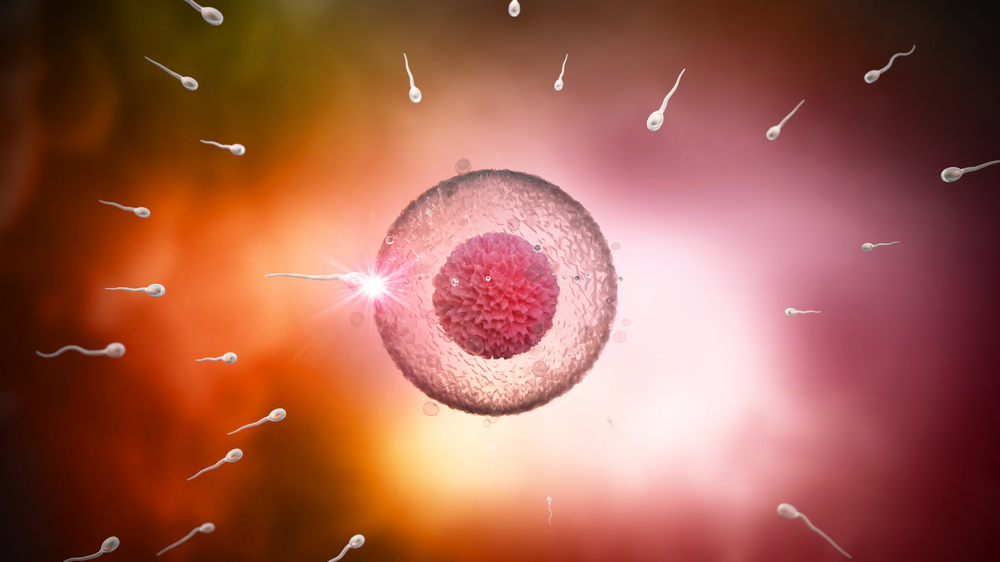
A zygote forms when a sperm successfully fertilises an egg in the fallopian tube. This single cell contains a complete set of genetic material, half from the mother and half from the father. At this moment, the blueprint for a unique individual is established, including traits like eye colour, blood type, and genetic makeup.Soon after formation, the zygote begins dividing through a process called cleavage. These divisions increase the number of cells but not the overall size. The zygote starts its journey toward the uterus as it continues to divide, marking the very first stage of human development.
What Is a Morula?
As the zygote continues dividing, it becomes a morula around three to four days after fertilisation. The morula looks like a small, solid ball of cells and gets its name from the Latin word for mulberry, due to its clustered appearance.During this stage, the cells begin organising themselves, even though they still look similar. The morula continues travelling through the fallopian tube toward the uterus. The stage plays a critical role in preparing the developing structure for further differentiation and implantation.
What Is a Blastocyst?
About 5 days after fertilisation, the morula transforms into a blastocyst. The stage marks a significant milestone because the cells now form a hollow structure with specialised roles. The blastocyst consists of two main parts: the inner cell mass, which will develop into the embryo, and the outer layer, which will form the placenta.Once the blastocyst reaches the uterus, it begins the process of implantation into the uterine lining. Successful implantation allows the body to release pregnancy hormones, supporting continued development and preventing menstruation. At this point, pregnancy officially begins from a medical perspective.
How to Support the Formation of a Zygote, Morula, and Blastocyst?
Early embryo development depends on preparation, balance, and care. While the body naturally manages fertilisation and early growth, specific evidence-based actions can strongly support these three crucial stages.Focus on Preconception Health
- Healthy embryo development begins with healthy eggs and sperm. Medical research shows that the quality of reproductive cells directly affects fertilisation, cell division, and embryo viability. Conditions such as anaemia, thyroid imbalance, insulin resistance, or untreated infections can interfere with early development. When both partners address these issues early, the chances of forming a strong zygote and progressing to a blastocyst improve significantly.
Prioritise Fertility-Supporting Nutrition
- The body needs the proper nutrients to support rapid cell division and genetic stability during early embryo formation. Folic acid supports DNA synthesis, antioxidants protect cells from damage, and proteins help build new cells. A nutrient-poor diet may disrupt these delicate processes and affect embryo growth.
Maintain Hormonal Balance & Regular Cycles
- Hormones guide ovulation, fertilisation, embryo transport, and implantation. Even slight hormonal imbalances can affect how the embryo divides or reaches the uterus. Regular menstrual cycles often reflect stable hormonal patterns, which support the timely development of the morula and blastocyst. Medical evaluation helps identify and manage conditions such as PCOS, thyroid disorders, or luteal phase defects early.
Reduce Lifestyle Factors
- Smoking, alcohol, poor sleep, and chronic stress increase oxidative stress in the body. These factors can damage genetic material and interfere with cell division during the earliest stages of pregnancy. Reducing these exposures improves fertilisation quality and supports healthy embryo growth. Even small lifestyle changes can produce measurable benefits.
What to Do Next?
- Follow medical advice and attend scheduled appointments
- Eat a balanced diet rich in folic acid, iron, and protein
- Stay hydrated and get adequate rest
- Avoid smoking, alcohol, and unnecessary medications
- Manage stress through gentle movement, mindfulness, or breathing exercises
- Speak openly with your gynaecologist about concerns
Whether you’re pregnant, a new mom, or navigating postpartum, you don’t have to do it alone. Join our support group to connect, share, and support one another.
FAQs On Zygote, Morula, Blastocyst- A Beginner’s Guide to Early Pregnancy
- How long does it take for a zygote to become a blastocyst?
It usually takes about five to six days after fertilisation. - Can implantation fail even if a blastocyst forms?
Yes. Not all blastocysts implant successfully, even when they appear healthy - Is the blastocyst already a baby?
The blastocyst contains the cells that will become the baby, but development continues over many weeks.