In this article:
What Are Afterbirth Cramps?
Afterbirth cramps are contractions in the uterus that occur after delivery. The uterus expands significantly during pregnancy, but now it must return to its original size. This process is called uterine involution.During pregnancy, it grows from about 60 grams to nearly 1,000 grams. It begins contracting to reduce its size after delivery. These contractions cause cramping sensations similar to menstrual pain.
Why Do Afterbirth Cramps Increase During Breastfeeding?
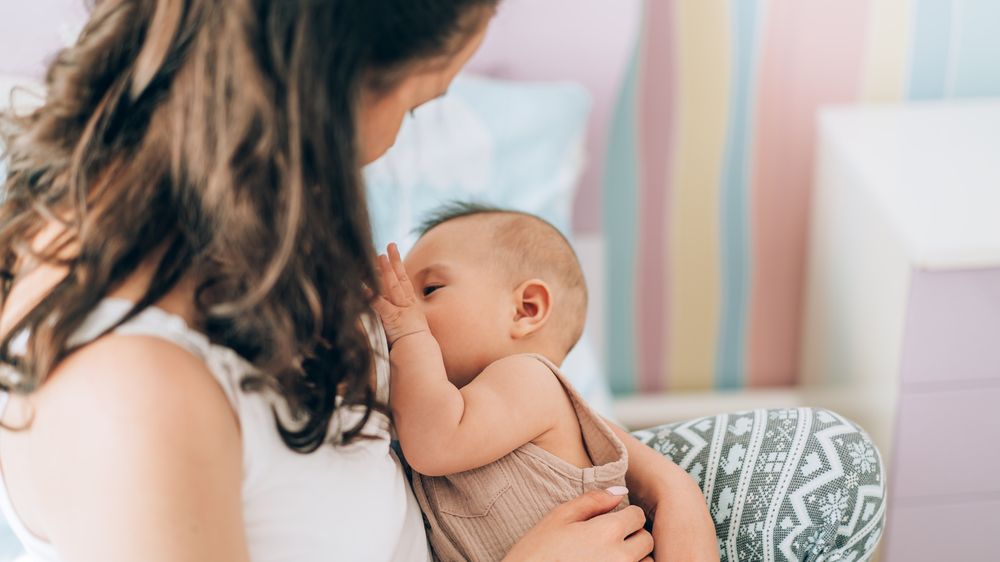
Breastfeeding induces a hormonal response in the body that directly affects the uterus.The Role of Oxytocin
Your body releases oxytocin, called the “love hormone”, when you breastfeed. This hormone facilitates milk release but also induces intense uterine contractions. These contractions are necessary for the following aspects:
- Help reduce postpartum bleeding
- Faster recovery of the uterus
- Lower the risk of heavy blood loss
When Are Afterbirth Cramps Usually Strongest
Afterbirth cramps during the first 2–4 days after delivery are the strongest. They may persist for 7–10 days, with decreasing intensity. You may notice:- Stronger cramps during breastfeeding
- Increased pain if you have had multiple pregnancies
- Cramping that comes and goes
Do Afterbirth Cramps Feel Worse After Multiple Pregnancies?
Your uterus may contract more forcefully if you have given birth before. This is because the uterine muscles stretch with each pregnancy and require stronger contractions to return to their original size.You may experience more intense afterbirth cramps if this is your second or third pregnancy.
How Long Does the Discomfort Usually Last?
In most cases, afterbirth cramps improve within one week. Breastfeeding may cause mild cramping, but the pain should reduce over time. Seek medical advice if the pain does not improve over time.
Emotional Impact of Postpartum Cramping
Pain during breastfeeding can affect your emotional well-being. You may feel anxious and discouraged when you are simply trying to adjust to caring for your baby.
Talk with your partner or family about how you feel. It will reduce your burden and allow them to assist with responsibilities. Emotional support is important in postpartum recovery and breastfeeding success.
Is It Normal for Cramps to Feel Severe?
Severe pain should not be ignored, but you can expect mild cramping. The following signs may indicate a problem that may require your doctor’s evaluation:- Cramps that become worse after one week
- Fever or chills
- Foul-smelling vaginal discharge
- Heavy bleeding (soaking a pad every hour)
Difference Between Normal and Concerning Pain
Normal afterbirth cramps typically show up in the following ways:
- Occur during breastfeeding
- Reduce with rest
- Improve each day
What Can You Do to Manage Afterbirth Cramps?
There are several methods to manage postpartum discomfort.Use Warm Compresses
- Your uterine muscles can relax if you place a warm pad on your lower abdomen, thereby reducing pain.
- Cramping may feel worse due to a full bladder, as it presses against the uterus.
- Place pillows between your legs and lie on your left side to improve comfort while feeding your baby.
- Take pain relievers only if your doctor approves them, provided that they are safe while breastfeeding.
- Muscle function improves with proper hydration and rest.
How Does Breastfeeding Benefit Uterine Recovery Despite Pain?
These contractions are helpful because breastfeeding:- Speeds uterine shrinking
- Reduces postpartum bleeding
- Supports hormonal balance
- Lowers infection risk
What Should You Do Next? A Simple Checklist
- Expect cramps during breastfeeding, especially in the first week
- Use warmth to manage discomfort and take rest whenever possible
- Monitor bleeding and pain patterns
- Stay hydrated and nourished
- Ask for emotional and physical support
- Visit the hospital if your symptoms get worse
Whether you’re pregnant, a new mom, or navigating postpartum, you don’t have to do it alone. Join our support group to connect, share, and support one another.
FAQs on Why Afterbirth Cramps Intensify During Breastfeeding?
- Can afterbirth cramps stop me from breastfeeding?
They may feel uncomfortable, but the intensity reduces over time. Pain management can help you continue breastfeeding comfortably. - Are afterbirth cramps a sign of low pain tolerance?
Pain intensity varies between individuals and pregnancies and does not reflect weakness. - Do formula-feeding mothers experience afterbirth cramps?
Yes, but cramps are milder because oxytocin release is slower without breastfeeding.