In this article:
The purpose of this article is to inform you of the current medical knowledge surrounding Botox (botulinum toxin), any potential risk associated with it during pregnancy, how to assess your risk while pregnant based on your specific case, and how to confidently move forward in deciding whether or not to continue using Botox during this much-anticipated time.
What Do You Need to Know About Botox?
Botox is a purified form of botulinum toxin that temporarily interrupts nerve impulses to the muscles. As a result, Botox helps lessen muscle activity, which is why it is typically used for:
- Smoothing out facial wrinkles
- Preventing chronic migraines
- Treating an overactive bladder and urinary incontinence
- Treating other muscular/nervous disorders
Understanding the Use of Botox During Pregnancy
Pregnancy safety information remains inadequate for several medical therapies, including Botox. Due to the ethical issues, there will no longer be clinical trials involving human pregnancies. Consequently, most of the available information that exists comes from the following sources:
- Animal studies
- Case reports
- Observation processes
Botox for Cosmetic Reasons During Pregnancy
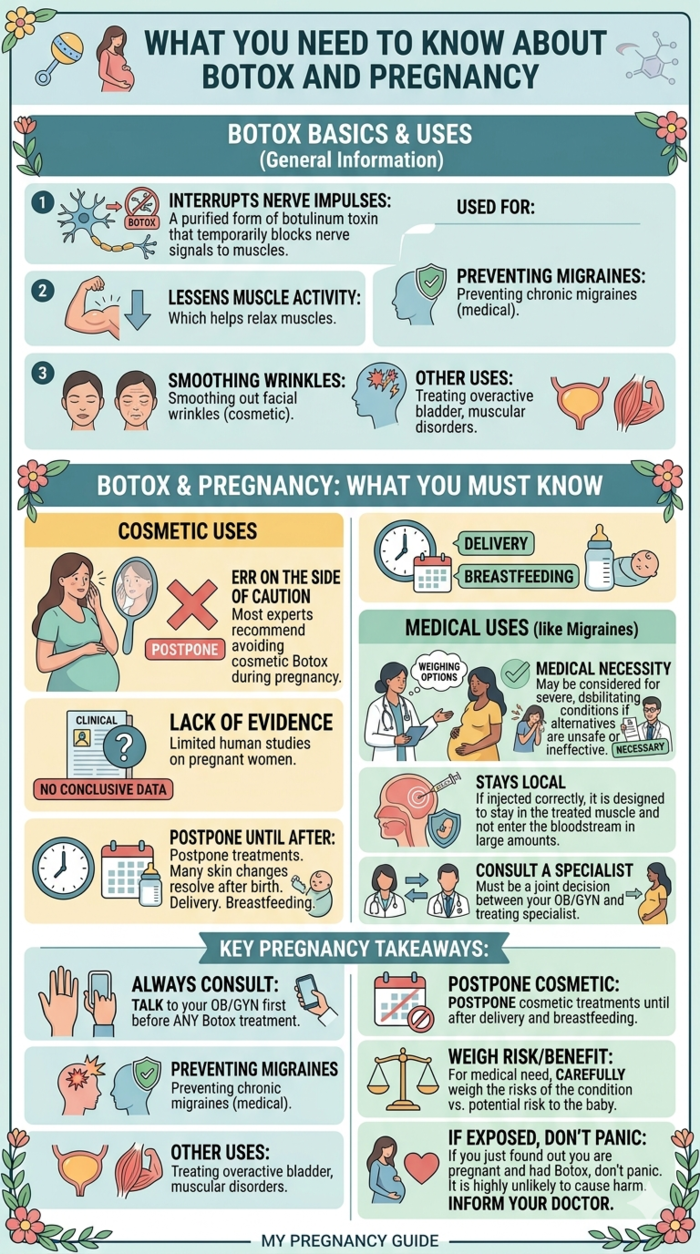
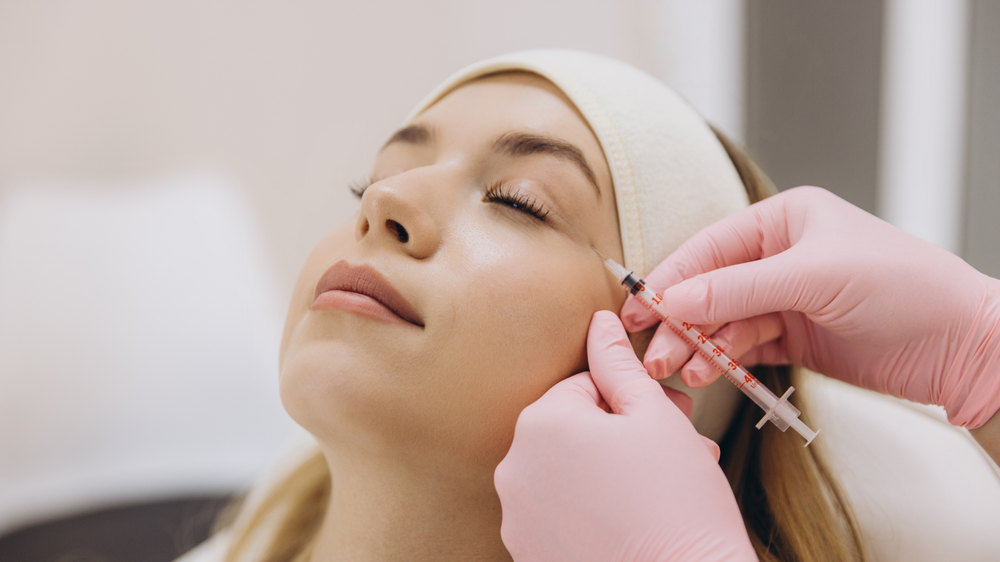
Most women choose to have Botox for cosmetic reasons, such as smoothing the appearance of wrinkles and fine lines. However, there is no strong evidence that Botox is safe to use in pregnancy, and as such, it is generally discouraged for cosmetic purposes.
Cosmetic procedures are not considered medically necessary, so if there is any risk to the foetus, it may typically be avoided. Most doctors recommend that women postpone getting Botox for cosmetic reasons until after they give birth and finish breastfeeding their babies.
It is important to know that during pregnancy, hormonal changes can affect your skin. Many develop a healthy, “glowing” appearance because of the increase in hormones.
Alternative to Botox For Cosmetic Reasons During Pregnancy
If you're not going to have Botox while pregnant, there are many other ways that you can manage your skin health.
- Select skincare products that are gentle and safe for use during pregnancy, such as vitamin C
- Drink plenty of fluids
- Eat a well-balanced, nutritious diet
- Apply sunscreen to your skin to protect it from the sun's harmful rays
Botox For Migraine Relief During Pregnancy
For females who used Botox before pregnancy, stopping Botox treatments can be difficult. Research says that limited evidence shows no indication that Botox is associated with an increase in severe fetal defects.
However, it cannot be determined that Botox is safe during pregnancy. Most doctors advise against Botox unless the migraine is debilitating and unmanageable.
Alternative to Botox For Migraine Relief During Pregnancy
Your doctor may recommend alternative, low-risk, and conservative options for managing symptoms of migraine headaches during pregnancy. These are as follows:
- Good sleep habits
- Learning to manage stress through Yoga or meditation
- Engaging in gentle exercises or receiving physical therapy
- Utilising medications that are demonstrated to be safe after consulting your obstetrician
Using Botox for Overactive Bladder and Related Urinary Conditions
Botox is occasionally used to help relieve an overactive bladder by relaxing the muscle of the bladder. Because of how pregnancy affects bladder function, this treatment for an overactive bladder can sometimes become even more complicated.
There is very little information available regarding the safety of using Botox for bladder problems when you're pregnant. There are also no known long-term effects of Botox on the unborn child. Alternative methods like bladder training and pelvic floor exercises can be something that helps.
In short, consult a doctor before considering Botox in any form or capacity if you’re pregnant.
When is it Possible to Resume Botox Treatment?
Women typically wish to consider resuming Botox injections following pregnancy. General guidance tips include the following:
- Botox should be avoided even after childbirth, while you are breastfeeding
- After childbirth or breastfeeding period, Botox can typically be safely resumed in low doses after consulting your obstetrician
Whether you’re pregnant, a new mom, or navigating postpartum, you don’t have to do it alone. Join our support group to connect, share, and support one another.
FAQs on Botox While Pregnant: Cosmetic, Migraine, And Bladder Safety
- What happens if I had Botox before knowing I was pregnant?
The use of Botox before discovering you are pregnant should not adversely affect your baby. Botox has a very limited ability to diffuse into the blood, making the risk of systemic toxicity extremely low. However, inform your obstetrician about it and avoid further use while pregnant. - Does Botox cross the placenta?
Current evidence suggests Botox is unlikely to cross the placenta in significant amounts. It is a large molecule that stays mostly at the injection site. However, due to limited research in pregnancy, doctors recommend avoiding Botox as a precaution. - Can Botox Affect Fertility?
It appears that there is little to no definitive data supporting the claim that the Botox injections can impact fertility. Botox does not exert much influence on hormone level fluctuations or reproductive organs. Despite this lack of solid scientific proof, people hoping to conceive often opt to avoid having Botox injections until they have completed their family-building plans.