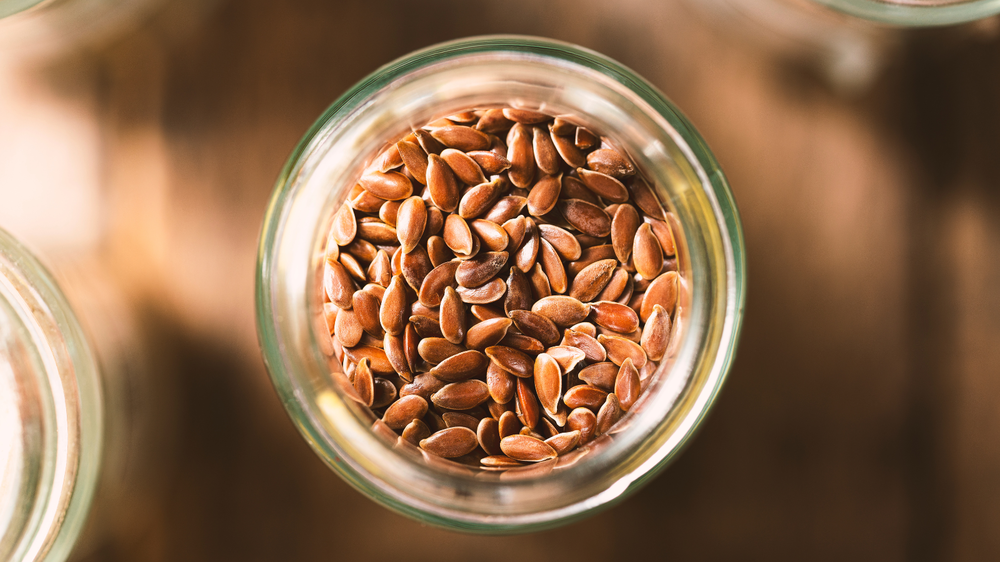
However, there are varying opinions when it comes to flaxseeds during pregnancy. Limited research and the presence of certain plant compounds mean that it is important to be mindful of the quantity and form of flaxseeds consumed.
Nutritional Value of Flaxseeds
In every 100 grams, flaxseeds provide around:
- 534 calories
- 42 per cent fat
- 29 per cent carbohydrates (mostly fibre)
- 18 per cent protein
What are the Benefits of Flaxseeds During Pregnancy?
Flaxseeds bring several advantages that appeal during pregnancy:
- Supports foetal brain and nervous system development: Flaxseeds are rich in omega-3 fatty acids, especially alpha-linolenic acid (ALA), which plays an important role in the development of the baby’s brain and nervous system.
- Helps relieve constipation: The high fibre content in flaxseeds supports digestion and promotes regular bowel movements. This can be especially helpful as constipation becomes more common with hormonal changes and a growing uterus.
- May ease digestive discomfort: Fibre can help improve overall gut movement, which may reduce issues like bloating.
- Supports hormonal balance: Flaxseeds contain lignans, a type of phyto-oestrogen with mild oestrogen-like activity. These compounds may help the body adjust to hormonal fluctuations that occur during pregnancy.
- Promotes heart health: The combination of fibre and antioxidants in flaxseeds may help manage cholesterol levels and support cardiovascular health by reducing inflammation.
- Contributes to overall well-being: Together, omega-3 fats, fibre, lignans, and antioxidants support general maternal health when flaxseeds are consumed in appropriate amounts.
Is It Safe to Eat Flaxseeds During Pregnancy?
Because research is limited, it is important to understand the key safety points before including flaxseeds in a pregnancy diet.
These are some important safety considerations to keep in mind:
- Mixed expert opinions: Views on flaxseed consumption during pregnancy differ across regions and medical sources. While some consider small, food-level amounts safe, others recommend caution.
- Moderation is key: Whole or ground flaxseeds are generally seen as safer when eaten in limited quantities as part of regular meals, rather than in concentrated forms.
- Limited pregnancy-specific research: Due to ethical constraints, there are very few direct studies on pregnant individuals. Much of the available evidence comes from animal studies or general nutritional research.
- Hormonal effects of lignans: Flaxseeds contain lignans, which have mild oestrogen-like activity. Some experts raise concerns about how these compounds may affect hormonal balance during pregnancy.
- Concerns around flaxseed oil: Flaxseed oil consumption may be linked to a higher risk of premature birth, particularly when used in the later stages of pregnancy.
- Avoid raw or unripe seeds: Raw or improperly processed flaxseeds may contain toxic substances and should never be consumed during pregnancy.
- Preparation: Cooked, roasted, or properly ground flaxseeds are generally considered safer than raw forms.
How to Safely Consume Flaxseeds During Pregnancy
Including flaxseeds in your diet can be simple and safe when you focus on the right form and preparation methods:
- Choose ground flaxseeds: Ground flaxseeds are easier for the body to digest and absorb compared to whole seeds, which may pass through the digestive system without releasing their nutrients.
- Add to breakfast items: Sprinkle ground flaxseeds over oats, poha, or upma, or mix them into vegetable dalia for extra fibre.
- Use as a topping: Sprinkling ground flaxseeds over salads adds mild flavour along with extra fibre and nutrients.
- Use in sabzis and dals: Sprinkle ground flaxseeds over cooked sabzis or stir them into dal just before serving.
- Use in baking: They work well in baked foods such as muffins, breads, rolls, and cakes without altering taste significantly.
- Use roasted seeds: Dry-roasting flaxseeds before grinding helps reduce naturally occurring cyanide compounds found in raw seeds, making them safer to consume.
What Precautions to Take When Consuming Flaxseeds During Pregnancy?
It's important to keep a few precautionary points in mind before adding flaxseeds to your pregnancy diet:
- Focus on moderation: Most recommendations suggest limiting intake to no more than one tablespoon of freshly ground flaxseeds per day.
- Start with small amounts: Some guidelines allow up to one or two tablespoons, but it is best to begin with a smaller quantity and increase gradually.
- Drink enough water: Flaxseeds are high in fibre, so adequate fluid intake is important to help the fibre work properly and prevent digestive discomfort.
- Prefer ground over whole seeds: Ground flaxseeds are easier to digest and allow better nutrient absorption compared to whole seeds.
- Store properly: Keep flaxseeds in an airtight container in a cool, dry place, such as a pantry or refrigerator to prevent the natural oils from turning rancid.
- Consult a healthcare professional: Always speak to a doctor before starting or increasing flaxseed intake during pregnancy.
- Watch for medication interactions: Flaxseeds may interact with certain medicines like blood thinners, so medical advice is especially important if you are on medication.
Whether you’re pregnant, a new mom, or navigating postpartum, you don’t have to do it alone. Join our support group to connect, share, and support one another.
FAQs on Can You Eat Flaxseeds During Pregnancy? Safety, Benefits, and Risks
- Do flaxseeds affect iron absorption?
Flaxseeds contain compounds that may slightly interfere with mineral absorption when eaten in large amounts. - How can you tell if flaxseeds have gone bad?
Rancid flaxseeds may smell bitter or oily and taste unpleasant. If the aroma seems off, they should not be consumed.