However, it is manageable in most cases with proper planning and care. Knowing what low platelets mean and what steps doctors take can help you feel reassured.
What Are Platelets and Why Are They Important During Pregnancy?
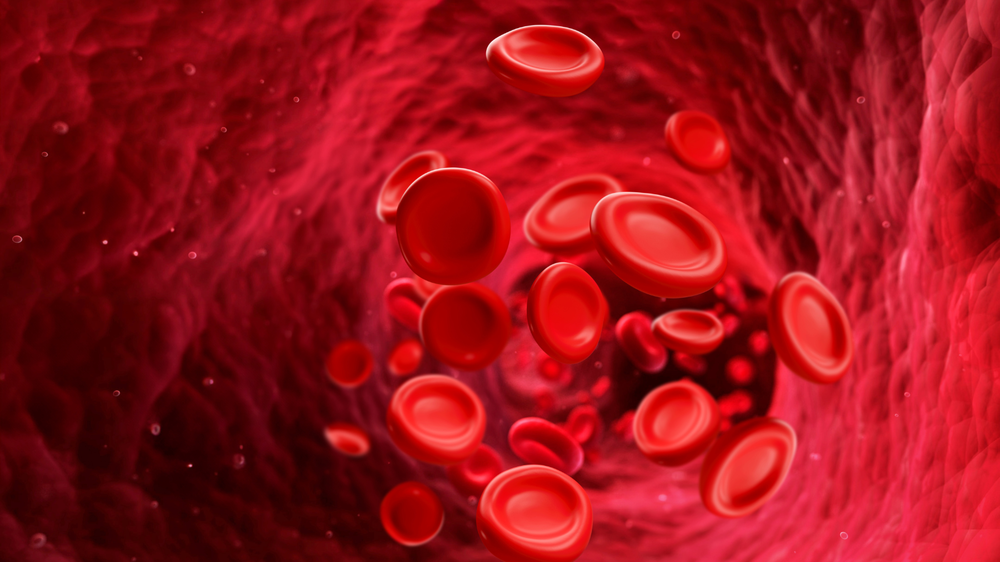
Platelets are small blood cells that stop bleeding. They gather at the site and form a clot when you get a cut or injury. This process is important during childbirth, as some blood loss is expected.A normal platelet count ranges from 150,000 to 450,000 per microlitre of blood. Mild changes in platelet levels during pregnancy are harmless.
Why Do Platelet Levels Drop During Pregnancy?
There are several reasons for the platelet count to decrease when you are pregnant.Natural Pregnancy Changes
Your blood volume increases by nearly 40–50 per cent during pregnancy. It can dilute platelets, so the count appears lower when platelet function remains normal.Gestational Thrombocytopenia
This is the most common cause of low platelets in pregnancy, which affects about 7–10 per cent of pregnant women. It appears in the third trimester and causes a slight reduction in platelets without serious complications.Medical Conditions
Conditions such as preeclampsia, HELLP syndrome, immune disorders, or infections can also lower platelet levels. It may require close monitoring.How Are Low Platelets Diagnosed During Pregnancy?
Low platelets are detected through routine blood tests during prenatal visits. Your doctor may suggest another test to track changes in your platelet count if it drops below 150,000.In some cases, additional tests may be done to identify the underlying cause and rule out serious conditions.
How Can Low Platelets Affect Labour?
Low platelets can affect how your body controls bleeding.Bleeding Risk During Vaginal Delivery
Vaginal delivery is usually safe if your platelet count is mildly low. The risk of bleeding increases only when platelet levels go below 50,000.Impact on Cesarean Delivery
Cesarean delivery involves surgical incisions, which require good clotting ability. Doctors prefer platelet counts above 50,000–80,000 for surgery to reduce bleeding risks.Can Low Platelets Affect Pain Relief Options During Labour?
Yes, platelet levels can influence your pain management options.Epidural and Spinal Anaesthesia
Your platelet counts should be above 80,000–100,000 to receive an epidural or spinal anaesthesia. Low platelet count increases the risk of bleeding around the spine, which can be dangerous.Your doctor will discuss other pain relief options with you if your platelet count is low.
How Do Doctors Manage Labour When Platelets Are Low?
They are trained to handle such cases by focusing on the following aspects.Close Monitoring
Your platelet count may be checked frequently as your due date approaches. Blood pressure, liver function, and other markers may also be monitored.Delivery Planning
Hospitals are prepared to handle emergencies, so your doctor may suggest delivering at a facility with blood supplies, specialists, and emergency care.Platelet Transfusion
In rare cases, a platelet transfusion may be given before or during labour to reduce bleeding risks where platelet levels are very low.Does Low Platelet Count Affect the Baby?
Low platelet counts during pregnancy do not affect the baby in most cases. Gestational thrombocytopenia rarely causes issues for newborn babies.However, certain immune-related platelet conditions may require checking the baby’s platelet count after birth. Your medical team will guide you if this is necessary.
What Warning Signs Should You Watch For?
You should contact your doctor if you notice the following signs.- Easy bruising
- Bleeding gums
- Frequent nosebleeds
- Blood in urine or stool
- Severe headaches or visual changes
Can Low Platelets Delay or Change Your Delivery Plan?
In some cases, yes. You may need to change the delivery plan if platelet levels fall too low or are associated with preeclampsia or HELLP syndrome. These decisions are made to reduce bleeding risks and enable you to deliver safely.However, many women with mildly low platelet levels go on to have full-term, uncomplicated deliveries. Labour also progresses safely with regular monitoring and planning.
Your medical team may adjust certain aspects of care.
- Timing of delivery
- Choice of pain relief, including anaesthesia
- Delivery setting, ensuring access to blood products if needed
- Monitoring frequency before and during labour
What Can You Do to Support Healthy Platelet Levels?
You can support overall blood health, while some causes cannot be prevented.Balanced Nutrition
Include iron-rich foods, leafy vegetables, fruits, and adequate protein in your diet.Avoid Unapproved Medications
Always consult your doctor before taking any medicine because some can affect platelet function.Attend All Prenatal Appointments
Regular monitoring allows early detection and timely intervention.Emotional and Social Aspects of Managing Low Platelets
Low platelets can make you fear childbirth when the time comes. You may worry about bleeding, delivery complications, or pain management options.Talking about it with your partner and doctor can reduce emotional stress. Remember that doctors plan for such situations, which can ease some of the stress.
What Should You Do Next? A Practical Checklist
- Keep track of platelet test results
- Ask about delivery and anaesthesia options
- Follow dietary and medical advice
- Report unusual bleeding immediately
- Prepare in every aspect with your partner
- Trust your doctor and their team as they monitor your case
Whether you’re pregnant, a new mom, or navigating postpartum, you don’t have to do it alone. Join our support group to connect, share, and support one another.
FAQs on Can Low Platelets Affect Labour? What Pregnant Women Should Know
- Can you have a normal delivery with low platelets?
You can have safe vaginal deliveries without complications if you have a slightly low platelet count. - Do low platelets always require a cesarean section?
Cesarean delivery is recommended only when it is necessary for medical reasons. It does not depend solely on low platelet counts. - Will platelet levels return to normal after delivery?
Platelet levels return to normal within a few weeks after birth in most pregnancy cases.