In this article:
What Is Oestrogen and Why Is It So Important in Pregnancy?
Oestrogen is a key female hormone that regulates your menstrual cycle and improves fertility. However, the levels reach almost 30 times higher than normal during pregnancy.The levels rise because of the placenta, as it takes over the production of oestrogen as pregnancy advances. It influences nearly all essential systems of your body, including your uterus, breasts, brain and blood vessels, to allow healthy growth of your baby.
How Does Oestrogen Help Your Baby Grow?
Oestrogen is necessary for the development of all vital organs of your baby.- It helps your baby’s lungs, liver, and kidneys mature properly.
- It widens your blood vessels to increase blood supply to the uterus and placenta so that your baby receives enough oxygen and nutrients.
- It influences the baby’s skeletal and nervous system development, which lays the foundation for healthy growth.
How Does Oestrogen Change Your Body During Pregnancy?
Your body also changes under the influence of oestrogen.- It increases the blood supply to your uterine lining to sustain your growing baby.
- It stimulates breast tissue, which prepares it for milk production after birth.
- It influences collagen levels so that you may notice glowing skin or thicker hair because of improved blood circulation.
- It helps your brain produce more serotonin, the “feel-good” hormone and promotes emotional well-being.
Why Is Oestrogen Called the “Growth Hormone” of Pregnancy?
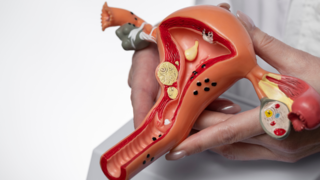
The term “growth hormone” derives from oestrogen’s role in growth, expansion, and preparation during pregnancy. The changes happen in every aspect across all the systems of your body.- Your uterus grows to almost 500 times bigger than its original size by the end of pregnancy due to oestrogen.
- Oestrogen helps increase blood volume by up to 40–50% to provide vital elements from you to your baby.
- It supports the growth of milk ducts and tissues of your breasts to prepare for lactation after childbirth.
Can Oestrogen Levels Fluctuate During Pregnancy?
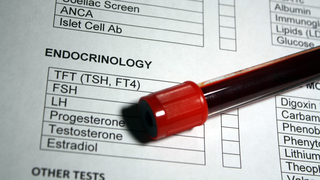
Oestrogen levels rise throughout pregnancy, but they can fluctuate in some cases.- Low oestrogen levels lead to fatigue, low mood, slow baby growth and vaginal dryness or discomfort.
- On the other hand, very high levels may lead to nausea or fluid retention, headaches and tender breasts.
How Can You Naturally Support Healthy Oestrogen Levels?
A healthy lifestyle will maintain the delicate balance of your hormones during pregnancy.- Eat flaxseeds, chickpeas, and soybeans, as they are natural sources of phytoestrogens.
- Drink more fluids to improve your blood flow.
- Get light exercise daily, like walking or prenatal yoga, to improve circulation and hormone balance.
- Quality rest helps your body regulate its natural rhythm.
- Avoid unnecessary stress, which can otherwise disturb hormone balance. Try relaxation techniques or deep breathing to unwind your mind.
Emotional and Social Aspects: How Oestrogen Affects Your Mood?
Hormones decide how you feel because they affect your mind along with your body. So, you may notice mood swings, sudden tears, or bursts of happiness. The varying emotions can feel confusing at times, but they are normal. These are common because oestrogen influences the brain chemicals that affect your emotions.You can talk about your feelings when you feel ready. Find a friend or family member who understands you. You can also talk to your partner. Strong emotional support can help you get through this stage of pregnancy calmly.
What To Do Next: Your Quick Checklist
- Track your emotional and physical changes.
- Eat healthy foods and more iron-rich foods.
- Go to all your prenatal check-ups to monitor your baby's growth.
- Speak to your doctor if you feel unusually tired, moody, or weak.
- Take time to relax and bond with your baby through gentle movement or music.
You can make your pregnancy journey comfortable by staying informed of the various roles this one hormone plays. Caring for your body through rest, healthy foods and medical guidance can be good for your pregnancy journey.
Whether you’re pregnant, a new mom, or navigating postpartum, you don’t have to do it alone. Join our support group to connect, share, and support one another.
FAQs on Why Oestrogen Is Called the “Growth Hormone” of Pregnancy?
- When do oestrogen levels start increasing in pregnancy?
The levels rise soon after conception and continue to increase steadily throughout pregnancy. They reach their peak in the last trimester. - Can low oestrogen affect my baby’s growth?
Low levels can impact the placenta, which can affect your baby’s growth. You can attend the regular checkups so that your doctor can monitor the levels for you to have a healthy pregnancy. - Does oestrogen cause morning sickness?
High oestrogen levels may lead to nausea in early pregnancy, but you may feel better after your body adjusts to them.