In this article:
What Are PCOS and Gestational Diabetes, in Simple Terms?
PCOS is a hormonal condition in which the body struggles to use insulin effectively. Insulin helps move sugar from the blood into cells for energy. When insulin is ineffective, blood sugar levels rise, and the body produces more insulin to compensate. This imbalance affects ovulation, weight, and hormones.
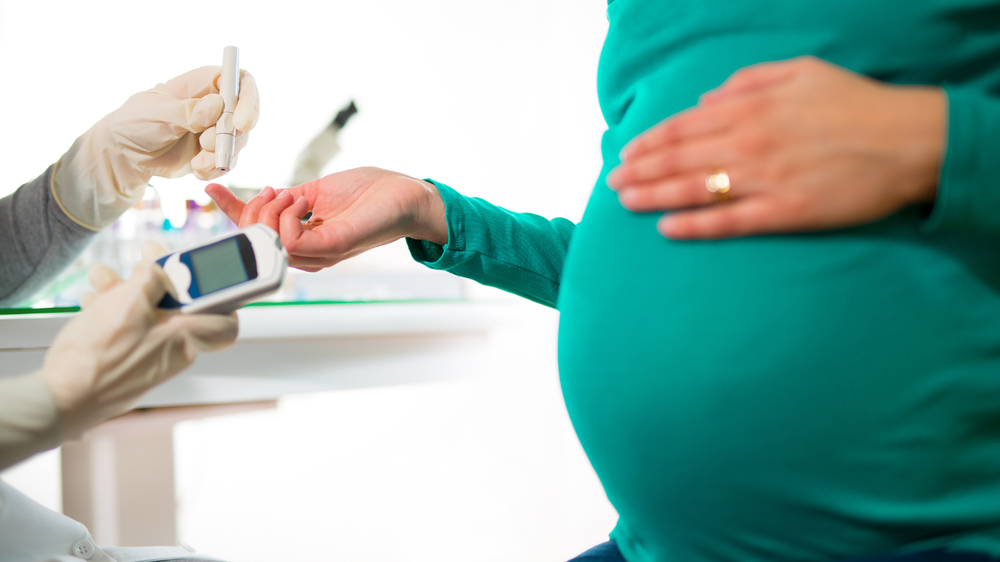
Gestational diabetes means high blood sugar that is first found during pregnancy, usually between 24 and 28 weeks. In India, studies show that 10–14% of pregnancies are affected, and the risk is higher for those with PCOS. This condition often goes away after birth but needs careful management while you are pregnant.
Why Does Having PCOS Increase the Risk of Gestational Diabetes?
If you have PCOS, insulin resistance may already exist before pregnancy. Pregnancy naturally increases insulin resistance to ensure adequate nutrition for the baby. When both are present, the pancreas may struggle to maintain blood sugar within a healthy range.
This does not mean you will definitely get gestational diabetes. It simply means your body needs additional support. Knowing this early helps you lower your risk with healthy lifestyle choices, not by being afraid or overly strict.
What Signs and Tests Should You Expect During Pregnancy?
Gestational diabetes often has no apparent symptoms. You may feel more tired or more thirsty or notice frequent urination, but these can also be regular pregnancy changes.
Doctors usually recommend an oral glucose tolerance test between 24 and 28 weeks. In India, the DIPSI test is commonly used, in which blood sugar is measured 2 hours after drinking a glucose solution. If you have PCOS, your doctor may suggest earlier screening, sometimes in the first trimester. This is preventive care, not a sign that something is wrong.
How Can Nutrition Lower the Risk of Gestational Diabetes?
Food is not about restriction. It is about steady energy and stable blood sugar. A balanced Indian plate works well when thoughtfully planned. Aim for:
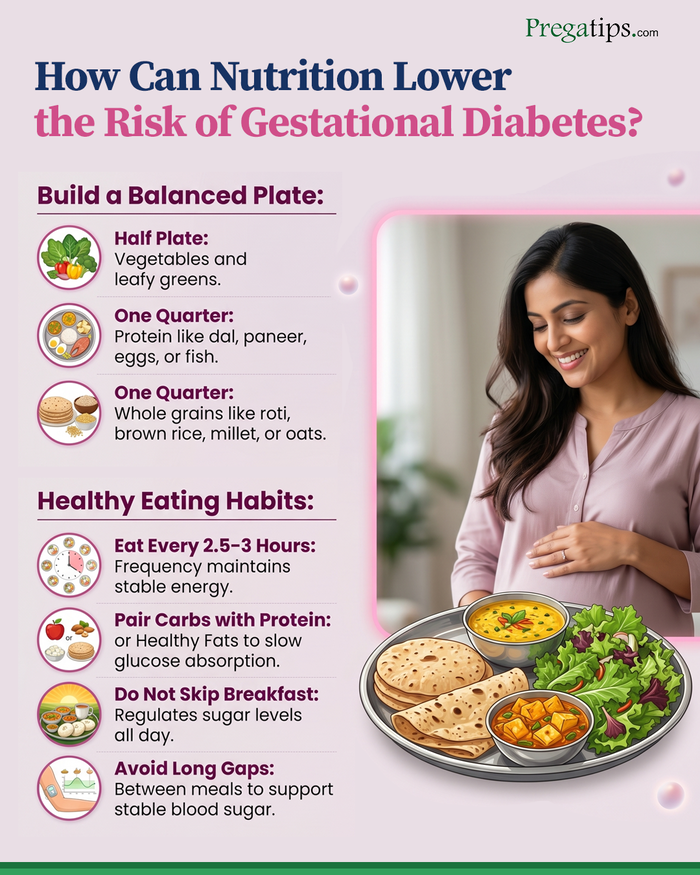
- Half the plate with vegetables such as lauki, tori, bhindi, beans, or leafy greens
- One quarter with protein like dal, chana, paneer, curd, eggs, or fish
- One quarter with whole grains like roti made from atta, brown rice, millet, or oats
Does Exercise Really Help If You Have PCOS?
Gentle, regular exercise helps your body use insulin better. Even 20 to 30 minutes a day can lower your risk of gestational diabetes by up to 30%, according to global health studies.
Safe options include:
- Brisk walking
- Prenatal yoga
- Light stretching and breathing exercises
How Important Are Sleep and Stress Management?
Sleep and stress significantly affect blood sugar. Poor sleep elevates cortisol, which can worsen insulin resistance. Try to get 7 to 9 hours of sleep each night and maintain a consistent sleep schedule.
Stress is everyday when you are dealing with both PCOS and pregnancy. Mindfulness, slow breathing, and talking openly with your partner or family can help reduce anxiety. Taking care of your emotions is just as important as physical health. Stress hormones can reach your baby, so taking care of your mental health helps your baby, too.
What Role Does Emotional and Partner Support Play?
Pregnancy with PCOS can feel lonely, especially with all the check-ups. Support from your partner can reduce stress and make it easier to maintain healthy habits. Simple things can help, such as:
- Sharing meals mindfully
- Walking together after dinner
- Attending appointments as a team
What Are the Warning Signs That Need Medical Attention?
Contact a doctor if you notice:
- Consistently high blood sugar readings
- Excessive thirst or urination beyond regular pregnancy changes
- Sudden swelling, headaches, or blurred vision
What to Do Next: A Simple Checklist
- Schedule early glucose screening if you have PCOS.
- Build balanced meals with protein, fibre, and whole grains.
- Move gently every day, even in short bursts.
- Prioritise sleep and emotional well-being.
- Involve your partner or family in care routines.
- Follow medical advice without self-blame
Whether you’re pregnant, a new mom, or navigating postpartum, you don’t have to do it alone. Join our support group to connect, share, and support one another.
FAQs on PCOS and Gestational Diabetes in Pregnancy: Practical Prevention Tips
- Can gestational diabetes be prevented entirely if you have PCOS?
Gestational diabetes cannot always be prevented entirely, but the risk can be significantly reduced. Early screening, balanced nutrition, regular physical activity, adequate sleep, and stress management collectively improve insulin sensitivity and help maintain healthy blood sugar levels throughout pregnancy. - Does gestational diabetes affect the baby long-term?
When well managed, most babies are born healthy with no long-term issues. Uncontrolled blood sugar may increase risks, such as higher birth weight or low newborn blood sugar levels. Regular monitoring and timely treatment significantly reduce these risks and support positive outcomes.