Labour pain often radiates deep into the lower back, especially when the baby’s head presses against the mother’s spine, a condition known as “back labour.” While epidurals and opioids are common in hospitals, not everyone can or wants to use them. Sterile water injections provide an alternative that’s low-cost, minimally invasive, and surprisingly effective for many women.
In this article:
What Sterile Water Injections Actually Are
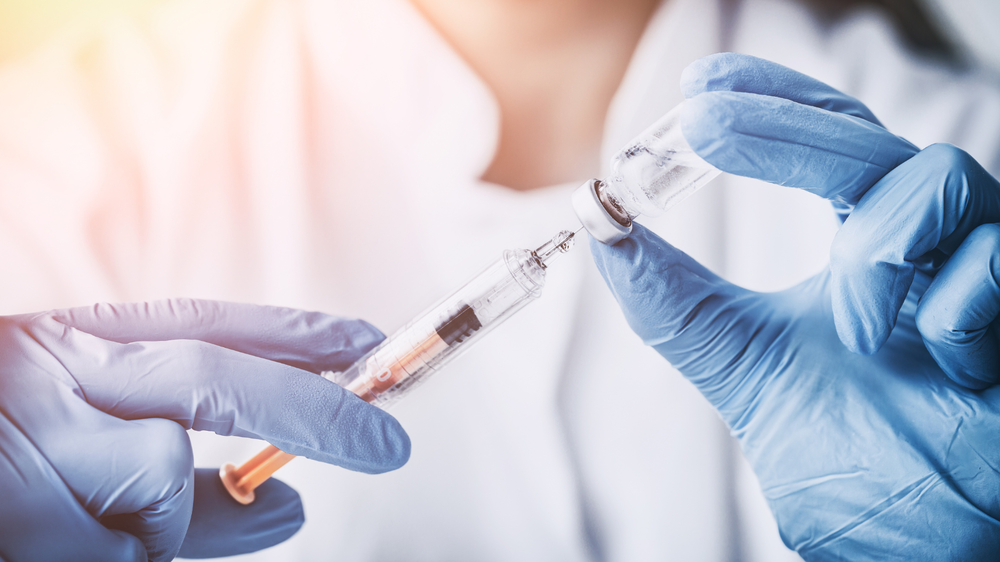
Sterile water injections are small, subcutaneous or intracutaneous injections administered across the lower back. Each injection contains a small amount (0.1–0.5 mL) of sterile water. Despite being just plain water, the temporary sting it causes triggers the body’s own pain-control system.
Here’s what happens:
- The brief burning sensation stimulates nerve endings in the skin.
- This stimulation “distracts” the nervous system from the deeper, ongoing pain of labour contractions.
- In response, the brain releases endorphins while nerve gates in the spinal cord block some of the pain signals coming from the uterus and back.
Why Women Choose This Method
For many labouring women, especially those with intense back pain or limited access to epidurals, sterile water injections can offer significant relief within minutes.
Benefits include:
- Rapid onset: Pain relief often begins within 2–3 minutes after injection.
- Non-drug method: No medications enter your bloodstream or affect your baby.
- Short procedure time: The injections take less than a minute to administer.
- Few side effects: Beyond a brief sting, complications are rare.
- Repeatable: The process can be repeated after 1–2 hours if pain returns.
- Accessible in low-resource settings: No advanced equipment or anaesthetic training is needed.
When and Where They Help Most
Sterile water injections are most effective for women experiencing severe back pain during the first stage of labour, often linked to the baby’s position (occiput posterior).
Situations where this technique is commonly used:
- Persistent lower back pain unrelieved by movement or massage
- When epidural or opioids are unavailable or contraindicated
- In early or active labour stages, when pain becomes overwhelming
- In rural or low-resource hospitals where anaesthesia support is limited
What to Expect During the Procedure
Knowing what the procedure feels like helps you prepare mentally.
- Preparation: Your midwife or doctor will clean the lower back area, typically over the sacral dimples and a few centimetres apart.
- Injection: Using a fine needle, small amounts of sterile water are injected just under the skin in four points across the lower back. Each injection causes a brief, intense stinging or burning sensation lasting 20–30 seconds.
- Relief phase: Within about 2–5 minutes, most women report a marked reduction in back pain. The relief can last anywhere from 30 minutes to 2 hours.
- Repeat if needed: If the pain returns, injections can be safely repeated.
Possible Side Effects and Safety
Sterile water injections are considered one of the safest pain relief options during labour. Since the solution contains no medication, there’s no risk of drug reactions, foetal effects, or interference with contractions.
The main side effects include:
- A brief burning pain at the injection site (lasting under a minute)
- Minor skin redness or swelling that resolves within an hour
- Rarely, small bruises or localised soreness
Because the injection sites are superficial and the technique is simple, the risk of infection is extremely low when performed using sterile needles and standard precautions.
Limitations of Sterile Water Injections
While effective for back pain, sterile water injections don’t reduce all types of labour pain.
Here’s what they don’t do:
- They don’t stop the uterine contraction pain in the abdomen.
- They don’t provide continuous analgesia like epidurals.
- They don’t shorten labour duration.
- Relief is temporary, often lasting 1–2 hours.
For women hoping for an unmedicated birth, sterile water injections can bridge the gap between total natural labour and high-intervention analgesia.
When to Avoid Sterile Water Injections
They are safe for most labouring women, but a few exceptions apply:
- Skin infections or open wounds at the injection site
- Known allergy to antiseptics used for cleaning
- Extreme fear of needles that could increase distress
Sterile water injections prove that effective pain relief doesn’t always require advanced technology. This simple, drug-free method can offer real comfort to women in labour, especially when back pain dominates or other options aren’t accessible. With trained care providers and proper sterile technique, it remains one of the safest, most empowering tools in modern childbirth.
Whether you’re pregnant, a new mom, or navigating postpartum, you don’t have to do it alone. Join our support group to connect, share, and support one another.
FAQs on Sterile Water Injections: A Low-Tech Pain Relief Method
- Do sterile water injections hurt?
Yes, there is a brief sting at the time of injection, lasting less than a minute. Most women describe it as a sharp burn followed by rapid relief from back pain. - How long does the pain relief last?
Typically between 30 minutes and 2 hours. The injections can be repeated safely if the pain returns. - Can sterile water injections replace an epidural?
No. They are mainly used for back pain and provide partial, short-term relief. Epidurals remain the gold standard for full pain relief in labour.