In this article:
Let’s discuss how a baby’s DNA is set in week 3.
What is the Genetic Blueprint?
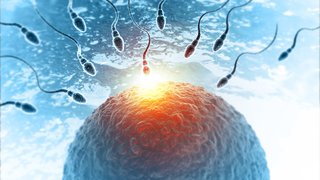
The genetic blueprint refers to the complete set of instructions stored within your baby’s DNA. This DNA forms at fertilisation, when genetic material from both parents combines to create a unique code. These instructions determine key traits such as eye colour, blood group, and height, while also guiding the body’s growth and function. Every cell in the embryo carries the same genetic information, ensuring that development follows a clear and organised plan.During week 3 of pregnancy, the embryo begins actively using this genetic information. Genes switch on and off in a carefully timed sequence, directing how cells divide, move, and start specialising. These genetic signals help organise early structures and support balanced growth.
Are There Any Signs During Week 3?
Most women do not notice physical signs during week 3. The embryo is still microscopic, and hormonal changes remain subtle. Some women may experience mild symptoms such as light implantation spotting, slight abdominal discomfort, or increased fatigue, but these signs vary widely.
How is Baby’s DNA Set and Activated in Week 3?
During week 3 of pregnancy, your baby’s DNA begins to guide development actively. Although the genetic code is established at fertilisation, this is the stage when those instructions begin directing how cells grow, divide, and organise. Genes switch on and off in a controlled way, ensuring that each cell follows a specific role rather than increasing randomly. The process sets the foundation for all future development.The embryo’s cells use genetic signals to organise into three main germ layers. Each layer receives specific instructions from the DNA and prepares to form different organs and tissues. The ectoderm begins shaping the nervous system and skin; the mesoderm prepares to create muscles, bones, and the heart; and the endoderm sets the stage for the digestive and respiratory systems. This organised response to genetic instructions ensures balanced and structured growth.
At the same time, the embryo establishes its basic body layout through the formation of the primitive streak. Genetic signals control this process and help define direction, such as where the head and lower body will form. The step ensures that cells move to the correct positions and begin specialising at the right time. Even though these changes remain invisible, they represent a significant milestone in early development and mark the moment when your baby’s genetic blueprint truly comes into action.
How to Support Healthy Genetic Expression in Early Pregnancy?
During early pregnancy, your baby’s genes actively guide growth and development. While DNA itself does not change, the environment inside your body influences how well these genetic instructions work. Here’s how to support healthy genetics in early pregnancy.Prioritise Nutrition
- Your body needs a steady supply of nutrients to support cell division and gene activity. Vitamins, minerals, and proteins help cells read and follow genetic instructions accurately. A balanced diet supports DNA function and helps cells grow and organise healthily.
Take Prenatal Supplements as Advised
- Specific nutrients directly influence genetic processes. Folic acid supports DNA synthesis and cell division, while nutrients like iodine and omega-3 fatty acids support early brain and nervous system development. Supplements help meet these needs during early pregnancy.
Avoid Consuming Harmful Substances
- Alcohol, smoking, and recreational drugs can disrupt DNA signalling and interfere with normal cell behaviour. These substances may affect how genes switch on and off during critical stages of development. Avoiding them protects the embryo’s genetic processes.
Manage Stress to Support Hormonal Balance
- High stress levels can affect hormones that influence early pregnancy and genetic expression. Hormonal imbalance may disrupt signals that guide cell growth and organisation. Managing stress supports a stable environment for genetic activity.
Note: Always consult your doctor or a gynaecologist before making changes to your diet, supplements, lifestyle, medications, or prenatal care.
In Week 3, your baby’s genetic blueprint begins to shape development actively. DNA instructions guide cell division, organisation, and early specialisation, laying the groundwork for every organ and system. Though this process occurs quietly and invisibly, it plays a decisive role in a healthy pregnancy.
Whether you’re pregnant, a new mom, or navigating postpartum, you don’t have to do it alone. Join our support group to connect, share, and support one another.
FAQs on Why Week 3 Is So Important for Your Baby’s DNA Development
- Can DNA change during pregnancy?
The genetic code does not change, but gene activity can vary depending on the environment. - Can problems in week 3 affect later development?
Yes. Early genetic signalling influences how organs and tissues form later. - Will I feel anything during this process?
No. These changes happen at a microscopic level without noticeable symptoms.